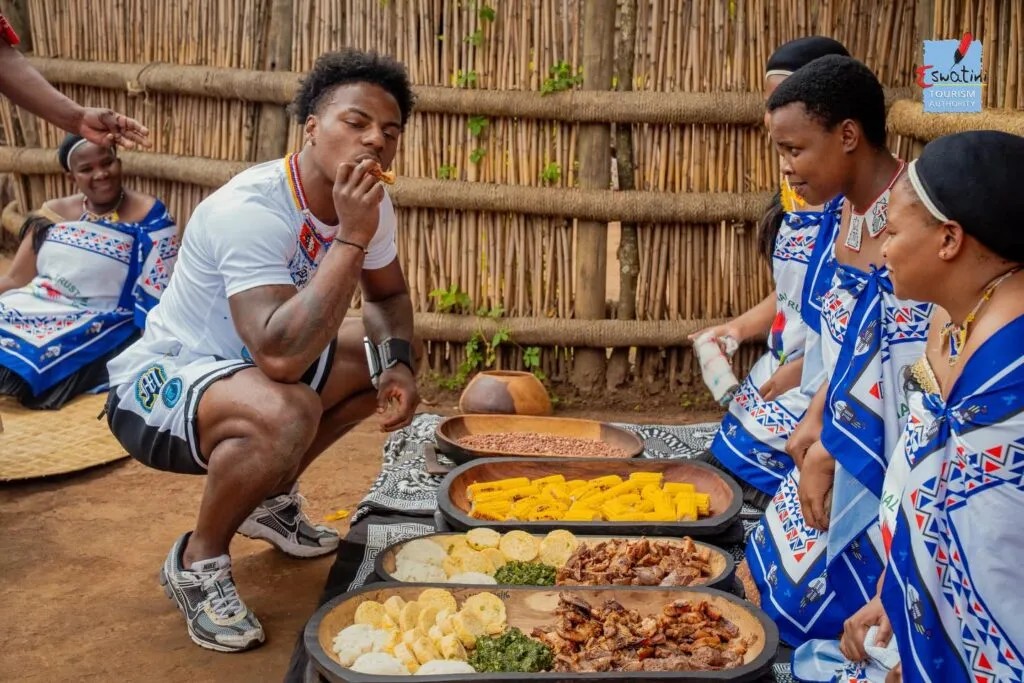
The recent livestreamed tour of Africa by American YouTuber IShowSpeed (Darren Watkins Jr.) has become a pivotal moment in digital marketing for African tourism. The 21-year-old content creator’s 28-day “Speed Does Africa” series, launched in December, has dramatically outperformed traditional tourism campaigns in terms of reach and engagement.
Unprecedented Digital Engagement
Watkins, known for his energetic and unfiltered streams, has over 48 million YouTube subscribers. His broadcasts from Angola, Ethiopia, Kenya, and South Africa broke viewership records:
– Ethiopia: Over 10 million views in under 20 hours.
– Kenya: 9.6 million views.
– South Africa: 5 million views.
These numbers far exceed the typical performance of conventional tourism marketing strategies. The key takeaway is that organic livestream content is more effective at capturing attention than many costly, curated campaigns.
Why This Matters
For years, African tourism boards have struggled to compete with established global destinations. Their marketing efforts, while significant, often fall short of attracting the desired level of visitor traffic. IShowSpeed’s tour demonstrates a new paradigm: leveraging the raw, unscripted appeal of livestreaming to reach Gen Z and younger demographics.
This is not merely about entertainment; it’s about the potential to reshape how countries market themselves. The success of this campaign highlights the need for tourism boards to adapt to the digital landscape and collaborate with influencers instead of relying solely on traditional advertising.
A Paradigm Shift in Marketing
The economic impact of the livestream tour is still unfolding. While exact figures are not yet available, industry analysts predict a surge in bookings to the featured countries. The viral nature of the content has introduced Africa to millions who previously had little awareness of its attractions.
“This is more than just a stunt; it’s a proof-of-concept. Livestream culture, combined with authentic content, can bypass traditional marketing hurdles and generate unprecedented interest.”
The implications are clear: if African tourism boards can harness this new model, they could unlock a sustainable, cost-effective way to attract a new generation of travelers. The future of tourism marketing may well be unscripted, unfiltered, and livestreamed.