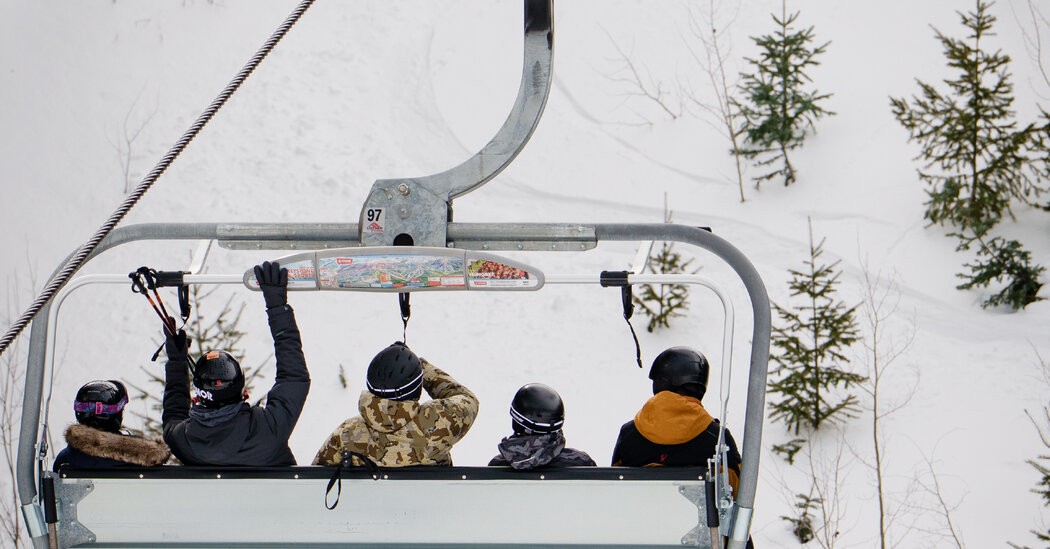
Vail Resorts, the largest ski resort operator in the United States, will cut Epic Pass prices by 20% for skiers and snowboarders aged 13 to 30 starting with the 2026-2027 season. The move comes as the company seeks to attract a younger demographic amid declining skier visits and industry-wide accessibility concerns.
The Price Cut: Details and Savings
The discounted Epic Pass will cost $869 for eligible skiers, a reduction of up to $220 from standard pricing. This decision responds to long-standing criticism that multi-mountain passes have become prohibitively expensive, limiting access to snow sports for many. Vail Resorts CEO Rob Katz stated the price adjustment is meant to ensure the sport remains accessible to the next generation.
Context: A Challenging Season and Shifting Priorities
The price change follows a difficult ski season for Vail. Unusually warm weather led to reduced snowfall in key Western states, including California, Nevada, Utah, and Colorado, resulting in a 20% drop in skier visits. This downturn adds pressure on the company to boost attendance.
Industry trends suggest that young travelers, especially Gen Z, prioritize experiences over material goods. Vail is adapting by making skiing more financially feasible for this demographic, hoping to capture their spending.
Competition and Additional Incentives
The Epic Pass’s main competitor, Alterra Mountain Company’s Ikon Pass, has not yet announced its prices for the upcoming season. In the previous season (2025-26), the Ikon Pass for ages 13-22 cost $1,179.
Vail is also offering additional discounts: anyone who purchased a lift ticket at a Vail resort this season will receive up to $175 off their next Epic Pass. This incentivizes immediate purchases and rewards existing customers.
Broader Trends in Skiing
Despite high prices, skiing remains popular in the U.S., with over 60 million visits in each of the last three seasons. This suggests demand remains strong, even as affordability is a barrier for some. The industry is now balancing exclusivity with the need to grow its base, particularly among younger generations.
The move by Vail Resorts underscores a broader industry shift: recognizing that long-term sustainability depends on making snow sports accessible to those who will drive future growth.