United Airlines is expanding its premium domestic offerings with a dedicated fleet of Airbus A321neo aircraft, dubbed “Coastliners,” specifically designed for high-demand transcontinental routes. This move represents a strategic shift toward enhanced passenger experience and network optimization, positioning United to compete more effectively with Delta and American in the lucrative coast-to-coast market.
The New Coastliner Configuration
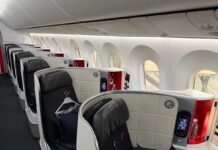
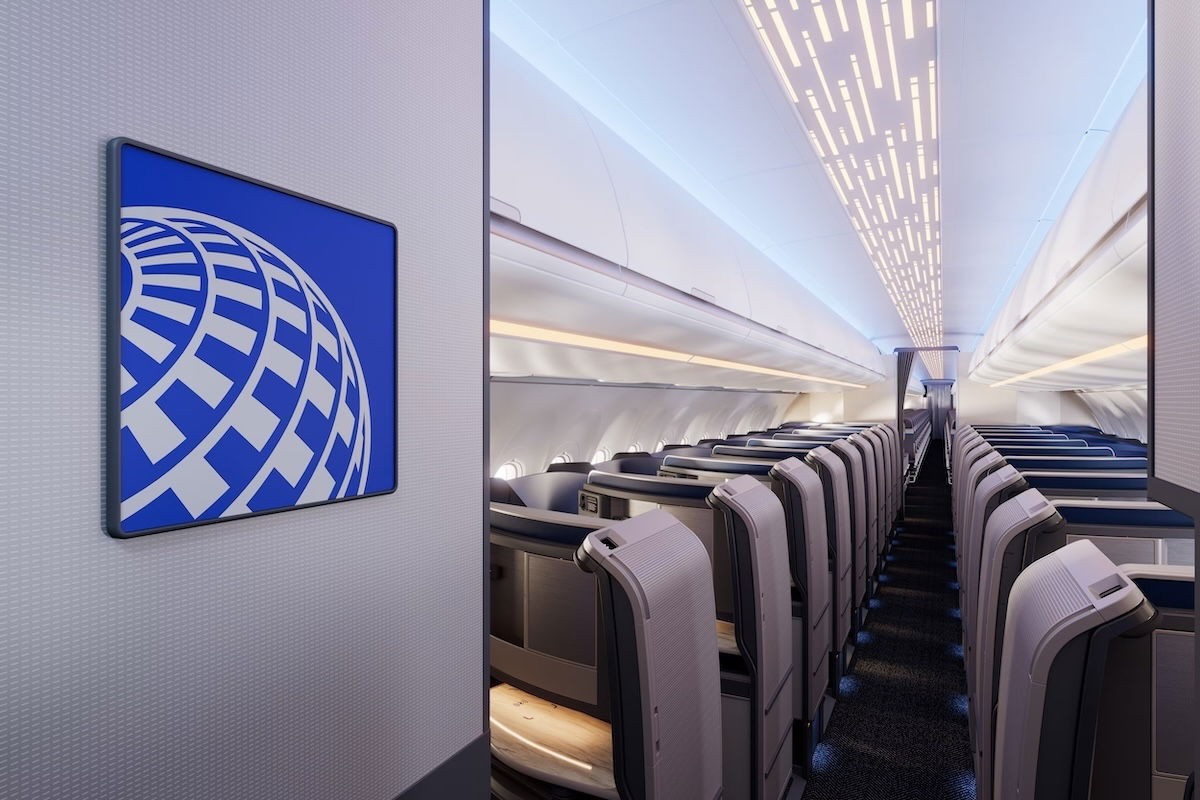
The airline plans to introduce 50 A321neos configured with 161 seats, a substantial change from the standard 200-seat domestic layout. The cabin will feature:
- 20 Polaris business class seats in a 1-1 configuration, offering lie-flat comfort.
- 12 Premium Plus seats in a 2-2 layout, providing enhanced legroom and service.
- 129 economy class seats in a 3-3 arrangement, maintaining reasonable density while still offering a competitive product.
This configuration mirrors, but slightly expands upon, the seating layout of the Airbus A321XLRs, which will serve longer international routes. The primary difference lies in economy seating density, with the A321neo Coastliners offering slightly fewer seats to accommodate premium cabin expansion.
Why This Matters: Fleet Strategy and Market Positioning
United’s decision to establish a dedicated subfleet of premium transcontinental aircraft is a deliberate move to address a long-standing gap in its service offerings. For years, United has lagged behind competitors like Delta and American in providing premium lounge access and consistent business-class experiences on domestic routes.
The Coastliners will feature Polaris Lounge access for business class passengers, aligning United with industry standards and strengthening its appeal to frequent travelers. This fleet expansion also allows United to retire older Boeing 757-200s, freeing up capacity for long-haul international flights.
The strategic advantage is clear: by specializing in premium transcontinental travel, United can avoid the limitations of airlines like American, which intends to use its A321XLR fleet for both domestic and international routes. This dual-purpose approach may hinder American’s ability to grow in either market effectively.
Competition and Delta’s Challenges
Delta also plans to introduce a premium A321neo fleet, but its scale is smaller, with only 21 aircraft planned. Furthermore, Delta has faced significant delays in cabin certification, leaving some planes grounded for extended periods.
In contrast, United aims to deploy 40 Coastliners by early 2028, demonstrating a more aggressive and streamlined approach. The airline’s confidence in its execution suggests a clear advantage in capturing market share and setting the standard for premium transcontinental travel.
Conclusion
United Airlines’ decision to launch the Coastliner fleet is a calculated step toward elevating its domestic premium offerings. The move not only addresses a long-standing competitive weakness but also positions the airline for growth in high-yield markets. By prioritizing a dedicated premium fleet, United is signaling its commitment to providing a superior passenger experience and solidifying its position as a leader in the transcontinental travel sector.