


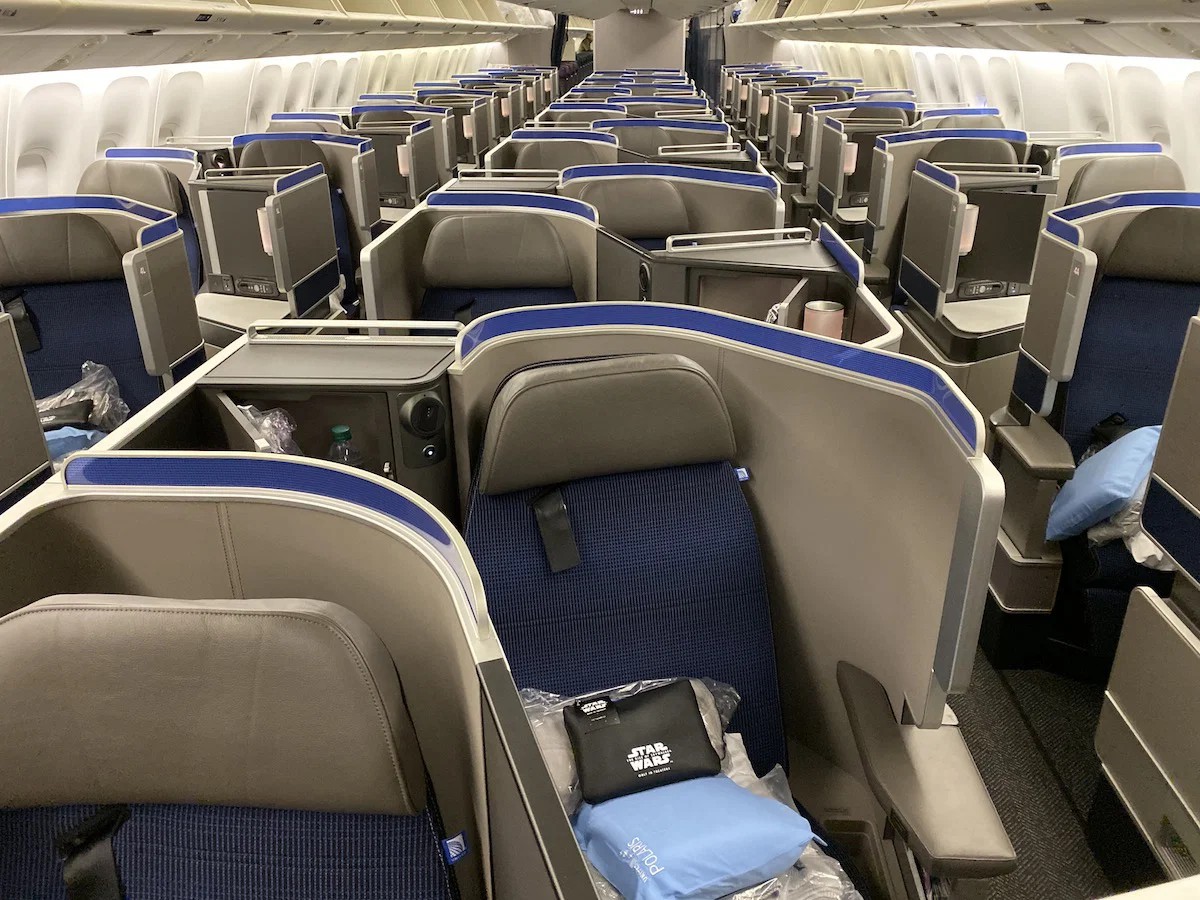
United Airlines has officially announced a shift in its pricing strategy, moving toward a tiered fare structure that includes a new “Basic” tier for premium cabins. This means travelers booking Polaris Business Class or Premium Plus will face a series of restrictions that were previously standard for premium passengers.
The rollout is expected to begin in select markets in April 2026, with a gradual expansion to more routes throughout the year. The new structure will primarily affect long-haul international flights, transcontinental routes, and select flights to Hawaii.
The Fine Print: What “Basic” Premium Means for Travelers
While the airline frames these new options as a way to provide “more choice,” the “Basic” tier comes with several notable drawbacks compared to standard or flexible premium fares.
For those booking Basic Polaris Business Class, the following restrictions apply:
- Seat Selection: Passengers must pay extra to select their seats; they are no longer included in the fare.
- Baggage: The checked bag allowance is reduced from two bags to one free bag.
- Lounge Access: Passengers will gain access to the United Club, but they will be excluded from the premium United Polaris Lounges.
- Flexibility: These tickets are strictly non-refundable and cannot be changed.
- Upgrades: Basic fares are ineligible for paid upgrades to the United Polaris Studio.
Similar restrictions are expected for the Premium Plus (Premium Economy) cabin, specifically regarding seat selection, baggage limits, and upgrade eligibility.
The Strategy: Why Airlines are Segmenting the Premium Cabin
This move marks a significant evolution in how airlines manage their most profitable seats. Historically, “Basic Economy” has been used to capture price-sensitive travelers in the main cabin. Now, airlines are applying that same logic to the front of the plane.
There are several underlying drivers for this shift:
- Capturing Leisure Demand: While corporate travel has seen a fluctuating recovery, “premium leisure” demand is surging. High-net-worth travelers often want the comfort of a lie-flat seat but may be more price-sensitive than traditional corporate travelers. A lower entry point for business class helps capture this demographic.
- Revenue Maximization (The “Upsell”): By stripping away perks like seat selection and lounge access, United creates an incentive for passengers to “buy up” to Standard or Flexible fares to regain those comforts.
- Managing Premium Lounges: By limiting “Basic” passengers to the standard United Clubs rather than the exclusive Polaris Lounges, United can manage capacity and ensure the premium lounge experience remains a high-value perk for full-fare passengers.
Industry Trends and Future Outlook
United is likely not acting alone. The trend of unbundling premium services is gaining momentum globally. For instance, Lufthansa has already implemented similar basic business class options. Given the highly integrated nature of airline partnerships (such as the Star Alliance joint ventures), it is probable that these fare structures will soon become the industry standard across the Atlantic.
Furthermore, with United executives having previously signaled these changes, it is highly anticipated that competitors like Delta and American Airlines will introduce similar tiered premium pricing to remain competitive.
A Note for Frequent Flyers: While United currently states that award tickets (booked with miles) will not be subject to these “Basic” restrictions, the long-term impact on elite status perks and mileage accrual remains to be seen.
Conclusion: United’s new tiered system is less about offering deep discounts and more about unbundling premium services to maximize revenue. Travelers looking for the traditional business class experience should expect to pay more for “Standard” fares to avoid the significant limitations of the “Basic” tier.


