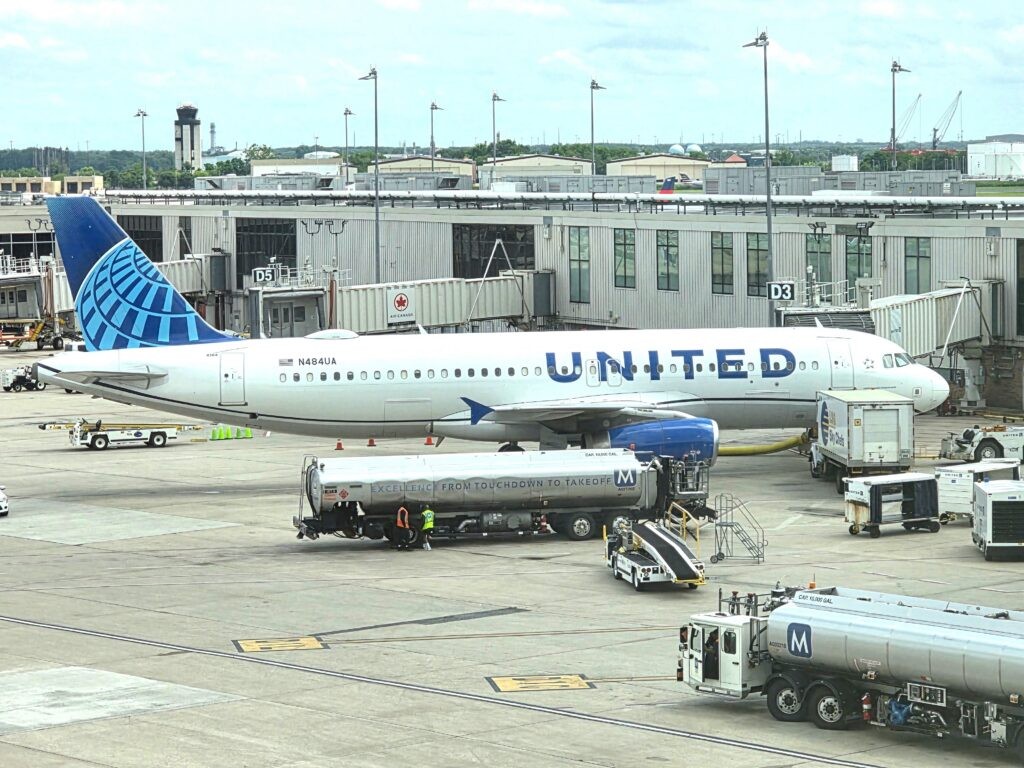
United Airlines is doubling down on a strategy that prioritizes high-value travelers even as the company warns of sustained high fuel costs and a potential reduction in overall flight capacity. The carrier announced a massive fleet expansion plan, adding up to 252 new aircraft through 2028 – a pace significantly faster than its historical growth. This move suggests a strong belief that demand for premium services will remain robust, regardless of economic pressures.
Fleet Expansion Details
The expansion includes:
- 47 Boeing 787-9s featuring updated interiors.
- 40 “Coastliners” designed specifically for high-end transcontinental routes.
- 28 Airbus A321XLRs replacing older Boeing 757s on medium-to-long haul flights.
- 119 Boeing 737 MAXs and 18 Airbus A321neos to further bolster capacity.
This represents a substantial increase over the past five years, when United added a combined 372 aircraft (Boeing 787s, 737 MAXs, and Airbus A321neos). The airline has also accelerated cabin upgrades, including seatback entertainment and larger overhead bins, while simultaneously increasing the proportion of premium seats on its flights by 40%.
Strategic Shift: Premium Over Capacity
United is explicitly shifting its network focus toward premium seating, loyalty programs (including credit card partnerships), and newer aircraft. This is happening alongside a planned 5% reduction in overall capacity due to anticipated high fuel prices – potentially exceeding $100 per barrel through 2027, with spikes to $175 possible. The airline appears to be betting that affluent and loyal customers will be less sensitive to fare increases and economic downturns.
Why this matters: Airlines typically cut back on capacity to avoid losses, but United’s strategy suggests it believes premium demand will be strong enough to offset fuel costs. This is a risky bet, as high fuel prices often correlate with reduced economic activity and business travel.
Implications for Passengers
While elite and premium customers stand to benefit from enhanced service and consistent product quality, economy passengers may face limited improvements beyond cabin retrofits and in-flight Wi-Fi. The reduction in overall capacity could also lead to higher fares for all travelers.
This isn’t about adding new destinations; it’s about making the existing network more profitable by catering to those who will pay a premium.
United isn’t changing its long-term fleet plan, but is reinforcing its commitment to this strategy despite the economic headwinds. The success of this approach will depend on whether the airline’s assumptions about sustained premium demand prove accurate.