United Airlines CEO Scott Kirby has sent a candid memo to employees outlining the company’s strategy for navigating soaring fuel costs driven by global tensions. Rather than bracing for crisis, Kirby frames the situation as an opportunity to consolidate United’s position as an industry leader – a bold move given the potential for $11 billion in additional annual jet fuel expenses.
The Core Strategy: Financial Strength and Calculated Cuts
Kirby’s memo emphasizes three key pillars: a robust cash reserve (three times larger than at the start of the COVID-19 pandemic), industry-leading profit margins, and a fortified balance sheet with its highest credit rating in over 30 years. This financial cushion allows United to avoid knee-jerk reactions like furloughs or deferred aircraft orders – mistakes the airline made in the past.
Instead, United is taking a short-term, tactical approach: reducing capacity by 5% in Q2 and Q3 through targeted cuts in off-peak flights (redeyes, Tuesday/Wednesday/Saturday routes) and suspending service to Tel Aviv (TLV) and Dubai (DXB). This capacity reduction is intended as temporary, with plans to restore schedules by fall.
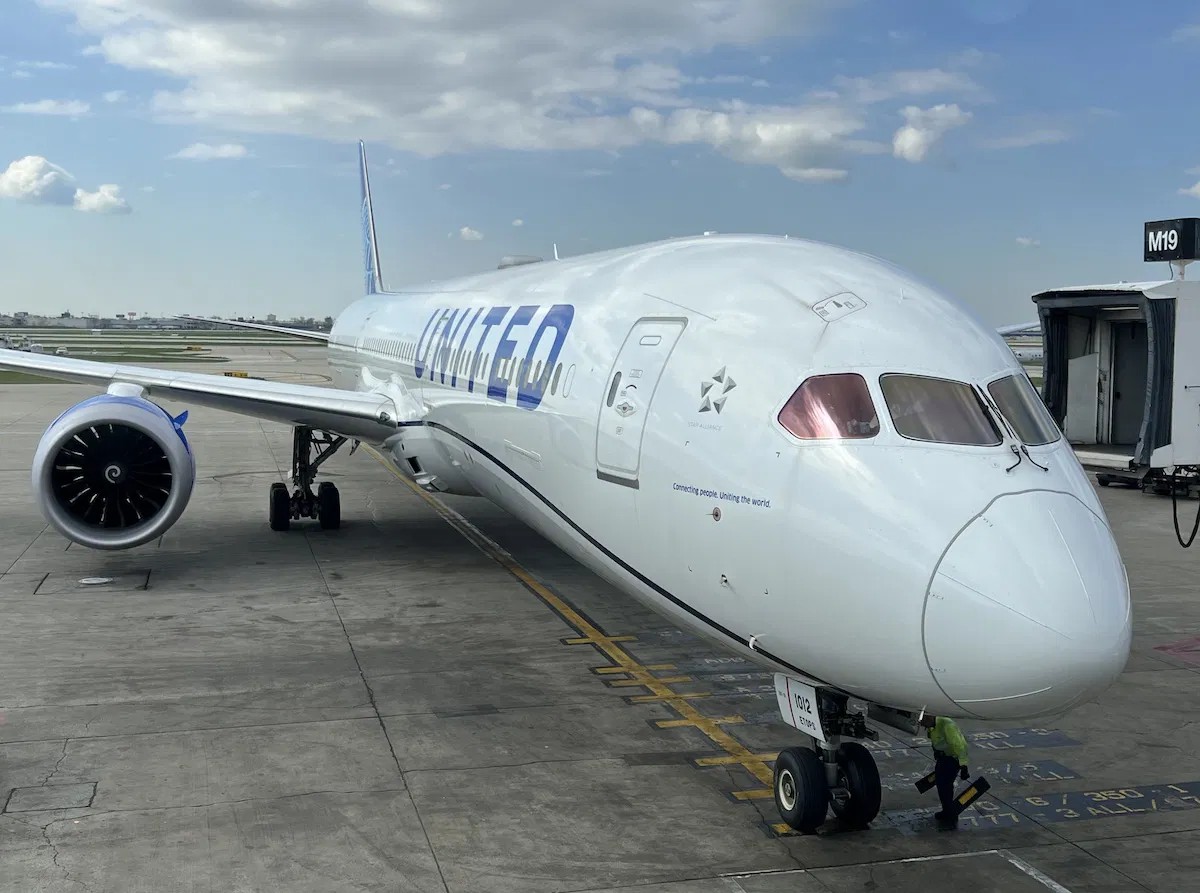
The airline will continue taking delivery of 120 new aircraft this year, including 20 Boeing 787s, and another 130 by April 2028, signaling a long-term commitment to growth. Investments in technology and facilities (clubs, hub infrastructure, EWR expansion) will not be curtailed – a deliberate contrast to competitors potentially forced into austerity measures.
Competitive Landscape: Waiting for Weakness
Kirby’s assessment of the broader industry is blunt. He claims many airlines are relying on “hope” rather than concrete plans, predicting that some may shrink or fail if high oil prices persist. This creates an opportunity for United to acquire assets and expand its network, echoing a similar strategy deployed during the COVID-19 pandemic.
The Reality of High Fuel Costs
The economic stakes are clear: if jet fuel remains at current levels, United’s annual fuel bill will jump by $11 billion. While demand remains strong (with the last 10 weeks representing the highest booked revenue in company history), sustaining higher fares indefinitely will be challenging. The airline is planning for oil to stay elevated at $175/barrel through 2027, though Kirby admits this may be conservative.
Despite the risks, United is doubling down on its strengths – particularly its ultra-long-haul network – betting that it can leverage demand from travelers seeking to bypass traditional Gulf hubs. However, the economics of these routes become increasingly fragile as fuel costs rise.
Bottom Line
United Airlines is not merely weathering the storm; it’s positioning itself to capitalize on industry stress. The airline’s financial strength allows it to make calculated cuts while continuing long-term investments, potentially emerging stronger when competitors falter. Whether this strategy succeeds depends on how long oil prices remain elevated and how effectively United can pass those costs to consumers.