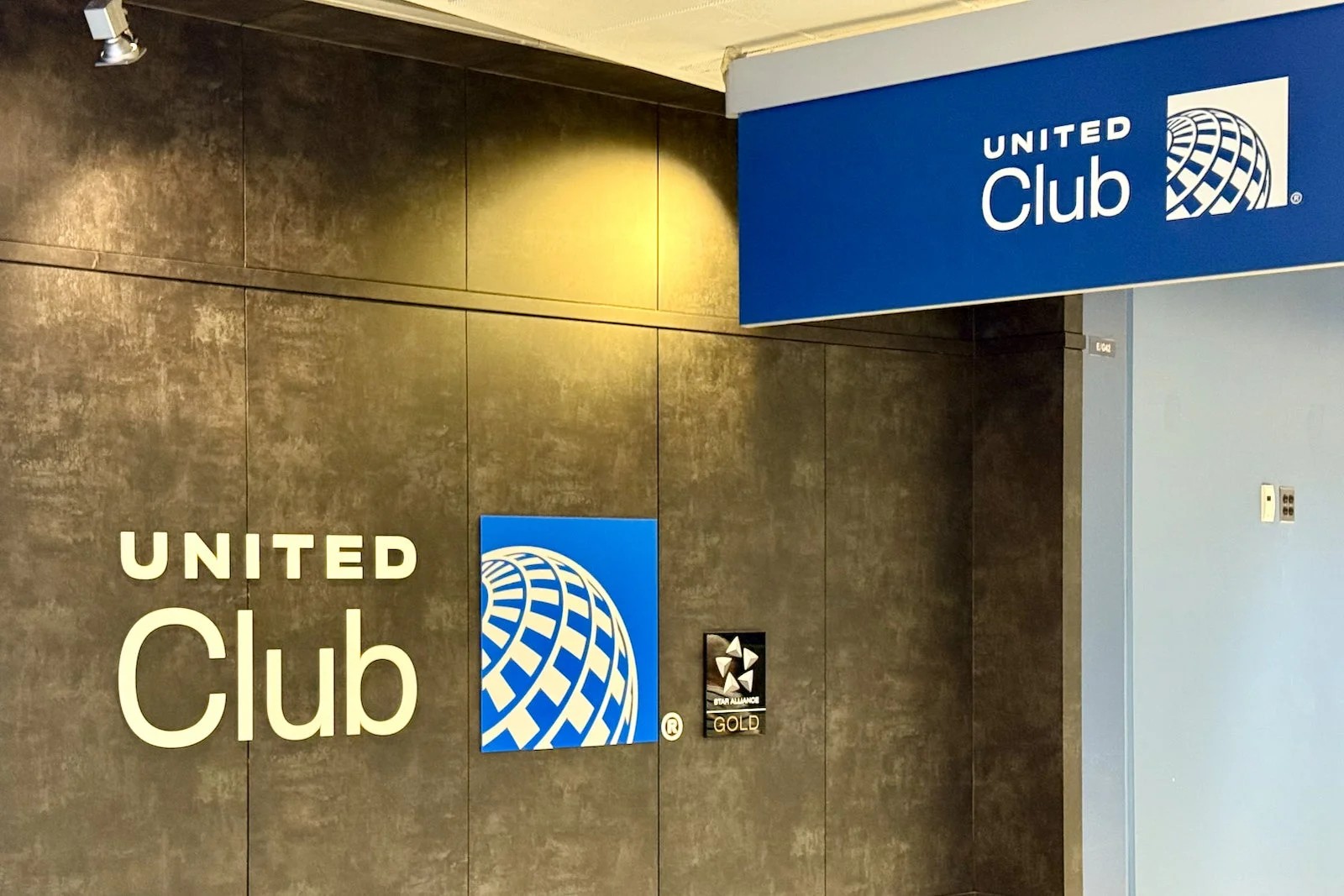
United Airlines is aggressively expanding its lounge network, announcing plans for massive new facilities in Houston and Washington D.C. as part of a broader strategy to combat overcrowding and improve access for its premium customers. The airline is responding to growing frustration among credit card holders who sometimes find themselves locked out of lounges despite holding day passes, a common issue during peak travel times.
The Race for Space: Houston and Dulles Lead the Expansion
The most immediate development is a sprawling 54,000-square-foot lounge slated to open in Houston’s George Bush Intercontinental Airport (IAH) by the end of the year. This will surpass even the recently opened Denver lounge, becoming the largest airline-branded lounge in the United States by a significant margin—roughly 60% larger than its predecessor.
But Houston won’t hold the title for long. United CEO Scott Kirby has challenged his team to build lounges that are demonstrably too large, and plans are already underway for an even bigger facility at Washington Dulles International Airport (IAD). This next lounge will be part of a larger renovation project at Dulles, connecting the airport’s main terminal with the A/B Concourse. While timelines remain unclear, Kirby has confirmed that the new lounge will exceed the size of the IAH outpost.
Addressing Access Issues: A Priority for United
The expansion isn’t just about size; it’s about solving a real problem for United’s customers. Many United-branded credit cards offer annual day passes to the United Club network, but overcrowding often leads to restrictions, leaving cardholders unable to use their perk.
United’s chief commercial officer, Andrew Nocella, has made it clear that eliminating these restrictions is a top priority. The goal is to ensure that all members—including those with one-day passes—can access the lounges without being turned away due to capacity limits.
“Every time we see that little sign outside a club that says ‘no one-day passes,’ we haven’t met the objective,” Nocella stated.
Why This Matters: A Response to Growing Demand
This lounge expansion reflects a broader trend in the airline industry: increased competition for premium amenities. Airlines and credit card issuers alike have seen membership in lounge programs surge in recent years. Delta, American, and others are also adjusting access policies, with some implementing stricter guest limits or even moving to grab-and-go models.
United’s strategy is different—it’s betting that sheer size will solve the problem. The airline has already increased its lounge footprint by nearly 50% since 2020, and Kirby insists that the current expansion is a necessary step to meet rising demand and avoid frustrating customers.
The race to build the biggest lounge is underway, and United seems determined to win—even if it means building facilities that are, by design, “too big.”