The U.S. travel sector is navigating simultaneous challenges: a major winter storm causing widespread flight cancellations and a rapid shift toward artificial intelligence (AI) driven operations. Over 10,000 flights have been canceled due to severe weather, highlighting the industry’s vulnerability to external disruptions. At the same time, airlines and travel tech companies are aggressively pursuing AI integration, though experts caution that true progress requires foundational changes rather than superficial upgrades.
Flight Cancellations Surge Amid Winter Storm
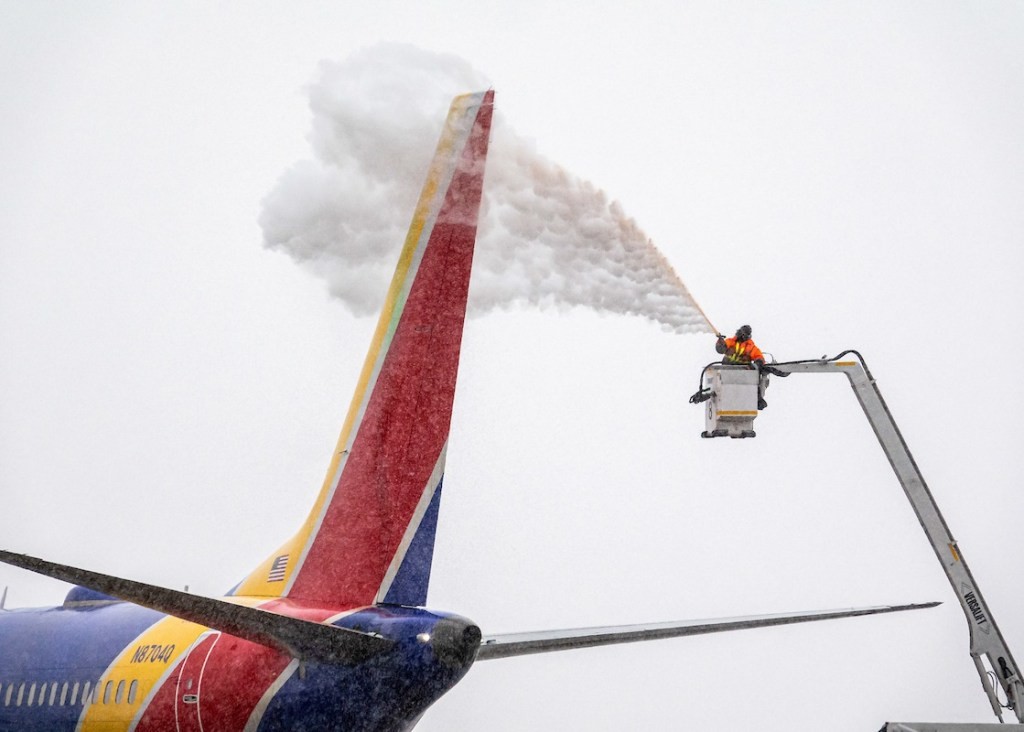
A severe winter storm has grounded thousands of flights across the United States, stranding passengers and disrupting travel plans. The scale of the disruption—over 10,000 cancellations—underscores the fragility of air travel systems when faced with extreme weather events. Airlines are struggling to recover, with ripple effects expected to continue for days as crews and aircraft are repositioned.
AI as a Priority for Travel Tech
Beyond immediate operational hurdles, the travel industry is undergoing a deeper transformation driven by AI. Companies like Sabre are pushing “agentic AI,” which augments—rather than replaces—human agents in travel agencies. This shift is intended to improve efficiency and personalization but has also generated uncertainty among workers who fear job displacement.
Legacy Systems vs. AI-First Approach
A key debate centers on how best to implement AI. Travel industry veterans argue that simply layering AI onto outdated infrastructure is insufficient. Brett Keller, former Priceline CEO, emphasizes that real innovation requires a complete overhaul of systems to fully leverage AI’s potential. This means redesigning core processes instead of adding AI as an afterthought.
The Future of In-Flight Experience
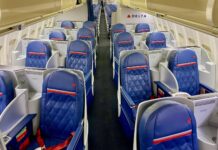
Even smaller aspects of the travel experience are being reevaluated. Airlines are questioning traditional business class catering models, with some suggesting that current offerings no longer align with passenger preferences or operational efficiency. The industry is signaling a willingness to experiment with alternative approaches, potentially including more personalized or streamlined meal services.
The convergence of these factors—weather disruptions, AI investment, and operational reform—presents both immediate challenges and long-term opportunities for the travel sector. Airlines must adapt quickly to navigate storms while simultaneously investing in AI-driven solutions that can improve resilience and enhance the passenger experience. The industry is at a turning point where those who embrace change strategically will thrive, while those who resist risk falling behind.