The travel sector is undergoing a period of rapid change, marked by aggressive restructuring, a scramble to integrate artificial intelligence (AI), and concerning declines in key markets like Las Vegas. These trends signal a broader vulnerability in an industry historically unprepared for systemic shocks.
AI Implementation: Beyond the Add-Ons
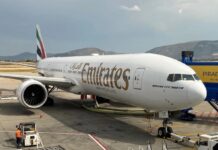
Travel companies are rushing to adopt AI, yet simply adding new tools to outdated systems is proving insufficient. True transformation requires overhauling foundational platforms first. Airlines, for instance, are prioritizing an “AI-first” approach, aiming for proactive operations, hyper-personalization, and more seamless customer experiences.
This shift is exemplified by Sabre, a major travel technology provider, which is laying off staff across multiple locations (including London and Uruguay) as part of a restructuring initiative dubbed an “inflation offset program.” The company’s leadership reshuffle suggests a deliberate pivot toward “agentic AI,” suggesting more automated decision-making.
Structural Weakness in Hospitality
The hotel industry, in particular, is facing unprecedented pressures. Recent ICE enforcement operations in Minneapolis highlighted how easily hotels can become embroiled in political conflicts. This underscores a fundamental weakness: the industry was not built to withstand such volatile environments.
This vulnerability is not limited to political disruptions. The Las Vegas tourism market is experiencing a sharp downturn, reflecting broader headwinds in U.S. travel. While the causes are complex, including economic conditions and changing consumer behavior, the decline reveals how easily even established destinations can falter under pressure.
Purging Weakness and Prioritizing Quality
Choice Hotels International is taking a different approach: shedding underperforming properties to elevate its overall brand quality. This aggressive pruning strategy suggests that maintaining a strong portfolio requires eliminating weaker links. The implication is clear: not all travel businesses are built to thrive in the current climate.
The industry’s current state suggests a reckoning is underway. The race to adopt AI, combined with structural weaknesses and declining demand in key markets, points to a period of painful adaptation. The future of travel depends on how quickly companies can rebuild their foundations and prepare for increasingly unpredictable challenges.
The travel sector is being forced to confront systemic vulnerabilities, revealing that legacy systems and outdated approaches are no longer sustainable. The shift toward AI is not merely technological; it’s existential.