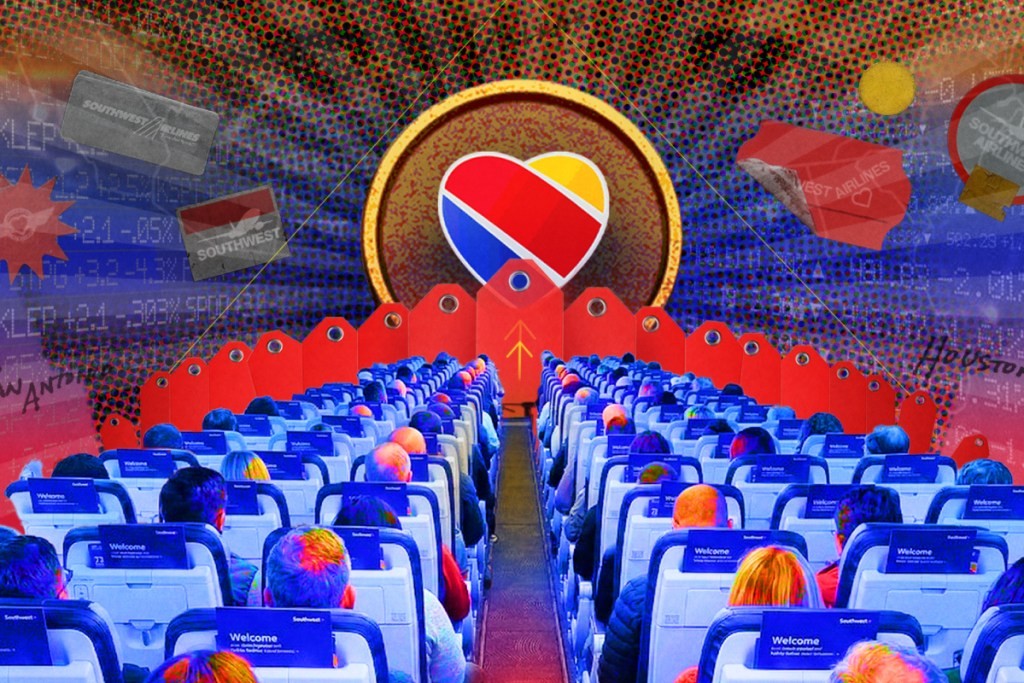
Southwest Airlines, long celebrated for its unique, no-frills approach, is undergoing a radical overhaul. For the first time in its history, the airline is introducing assigned seating, baggage fees, and selling flights through third-party platforms like Expedia. These changes, unthinkable under the leadership of its iconic founder Herb Kelleher, signal a major departure from the model that made Southwest a leader in the industry.
The Legacy of Herb Kelleher
Kelleher, who passed away in 2019, built Southwest on three pillars: low fares, ruthless cost control, and exceptional customer service. He intentionally avoided the practices common to major carriers — assigned seats, excessive fees, and reliance on booking platforms — to differentiate Southwest and foster a loyal customer base.
The airline’s headquarters in Dallas still honors Kelleher with a button that plays recordings of his famous laughter, a reminder of the culture he cultivated. Yet, even this iconic symbol exists alongside the new direction the company is taking.
The Elliott Investment Influence
The shift began less than two years ago, spurred by an activist campaign from Elliott Investment Management. Elliott argued that Southwest was leaving money on the table by sticking to its rigid policies. The changes now being implemented—fees for baggage, assigned seating, and third-party listings—are all designed to extract more revenue from passengers.
Why This Matters
Southwest’s transformation isn’t just about profits; it reflects a broader trend in the airline industry. Carriers have long pressured Southwest to adopt standard revenue-maximizing tactics. The airline’s resistance, once a source of competitive advantage, became increasingly unsustainable as competitors squeezed more money from customers.
The move raises questions about Southwest’s future identity. Will it still appeal to the same budget-conscious travelers who once flocked to its unique service model? Or will it blend into the ranks of traditional airlines, chasing higher margins at the cost of its distinctive brand?
The changes at Southwest represent one of the most significant strategic shifts in recent aviation history. Whether this reinvention will be successful remains to be seen. The airline’s ability to adapt without losing its core appeal will determine whether it can thrive in a more competitive landscape.