


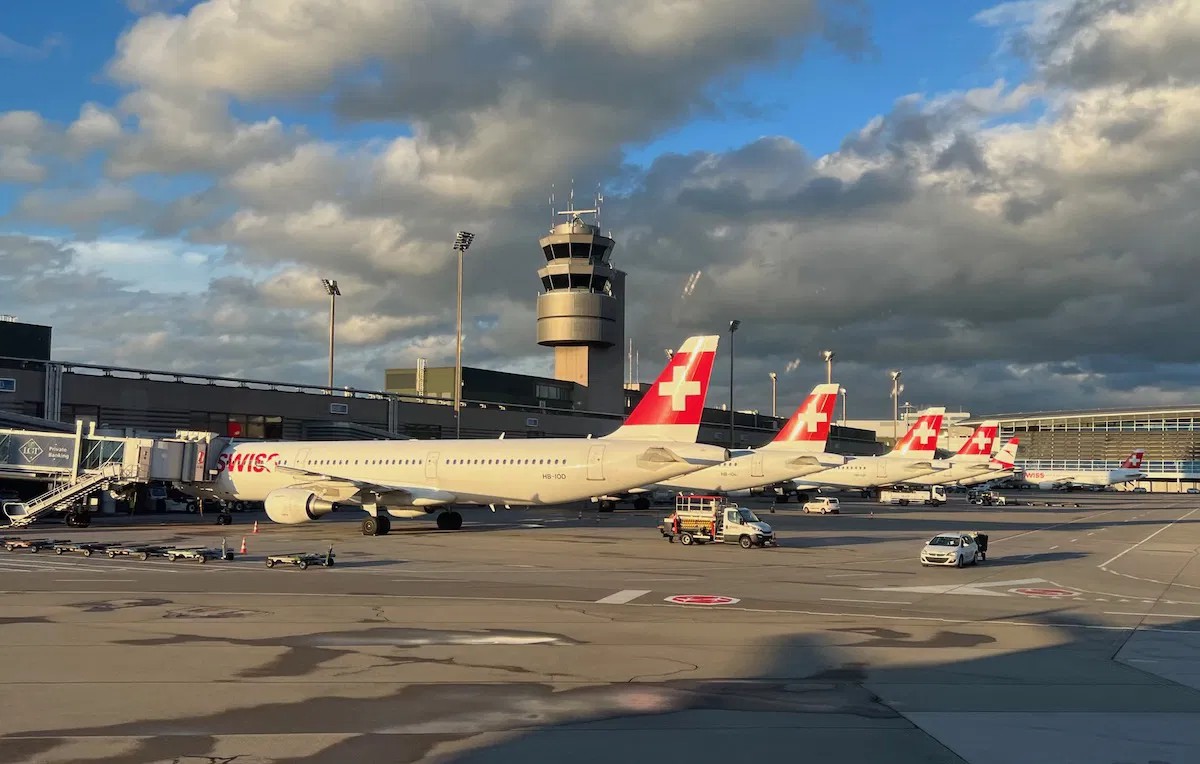
SWISS, the most profitable airline within the Lufthansa Group, is facing an unusual staffing surplus. The company is now offering flight attendants roughly $19,000 USD to voluntarily leave their positions, a move driven by operational inefficiencies and broader economic concerns.
Root Causes of the Surplus
The overstaffing stems from two key factors: grounded aircraft (specifically A220 and A320-family planes due to engine issues) and a pilot shortage. This imbalance means SWISS has more cabin crew than it can effectively deploy, even as demand for flights remains high – the airline has been forced to wet lease planes to keep up.
Despite the demand, the airline anticipates it won’t reach balanced staffing levels until 2027, a delay that underscores the depth of the problem.
Cost-Cutting Measures and Incentives
SWISS management has informed its roughly 4,500 flight attendants about the need to reduce staff. The airline’s priority is cost savings amid global uncertainty, including geopolitical instability (specifically the conflict involving Iran) and rising oil prices.
The incentive program offers 15,000 Swiss francs (approximately $19,000 USD) to full-time flight attendants who resign by August 2026. This voluntary severance is the first step in a multi-tiered approach.
Potential Escalation to Layoffs
If voluntary departures don’t yield sufficient results, SWISS is prepared to implement more drastic measures. These include:
- Extended unpaid leave during low-demand periods
- Reduced work hours
- Extended maternity leave
As a last resort, forced layoffs are not ruled out. The airline aims for “quick, effective, and targeted” staff reductions. The airline expects to achieve balanced staffing levels by next year through fleet growth, attrition, and continued pilot recruitment.
Why This Matters
SWISS’s situation isn’t unique. Airlines globally face pressures to reduce costs due to economic volatility. This move signals a broader trend: airlines are prioritizing financial stability even if it means reducing their workforce. The airline’s strategy also reveals how junior flight attendants, who earn less, are being prioritized for cost savings.
The airline is far from alone in considering headcount reductions. Similar measures are likely to be seen across the industry in the coming months.
The situation highlights the fragility of airline operations, where even highly profitable companies can be forced to make tough decisions due to external factors.


