


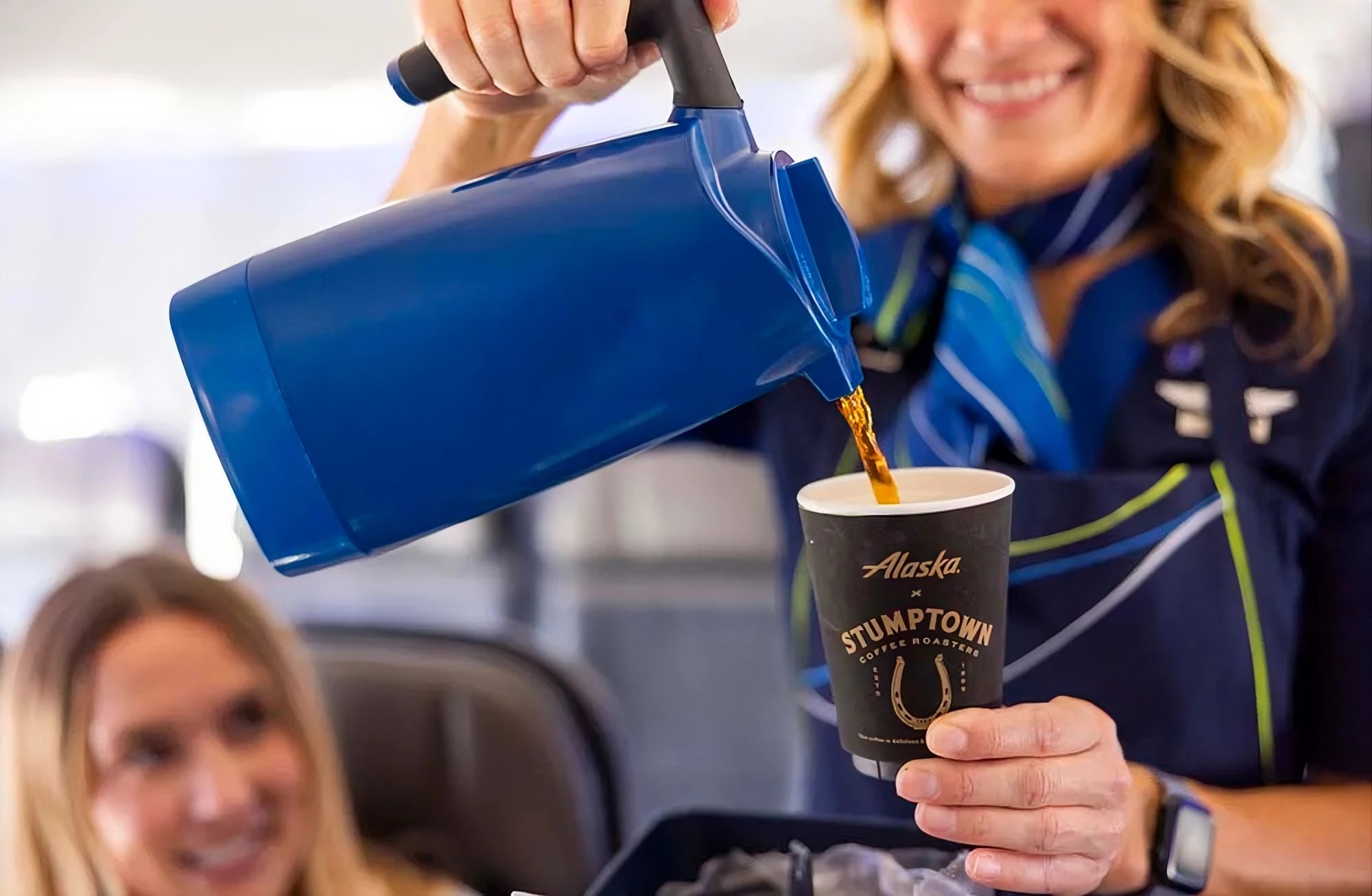
A flight attendant with Alaska Airlines is suing Stumptown Coffee Roasters, alleging that a defective coffee package caused a violent malfunction of an in-flight coffee maker, resulting in severe burns and lasting injuries. The lawsuit, filed on March 27 in U.S. District Court, centers around an incident on April 1, 2024, when the coffee maker “catastrophically failed” shortly before landing in Phoenix, spraying scalding hot coffee, grounds, and boiling water onto the flight attendant.
The Incident and Injuries
The flight attendant, who was pregnant at the time, suffered thermal burns to her chest and other body parts. She claims the incident caused immediate pain, emotional distress, and will require ongoing dermatological care, potentially including surgery. The core of her claim is that Stumptown’s packaging was unsafe for pressurized aircraft environments and that the company failed to properly test or validate its use under such conditions.
Recurring Problem with Nine Prior Incidents
This wasn’t an isolated event. According to the lawsuit, at least nine similar injuries have been reported in recent months, all stemming from older B/E Aerospace coffee makers spewing hot coffee and grounds. The airline’s own union issued a safety bulletin two months prior, warning of the danger and pointing to a change in coffee packaging as a potential cause.
Airline Management Refused to Ground the Machines
Despite the risks, Alaska Airlines management refused a request from its Air Safety, Health, & Security Committee (ASHSC) to temporarily disable the older coffee makers until physical fixes could be implemented. The committee argued that waiting for long-term solutions while risking further injuries was unacceptable. The airline reportedly prioritized coffee service over employee safety.
Legal Strategy and Liability
The lawsuit focuses on product design flaws, failure to warn of the danger, and breach of implied warranty. While Alaska Airlines conducted extensive tests before rolling out Stumptown coffee, including over 200 brewing tests, the flight attendant is not suing the airline. This is likely due to workers’ compensation laws, which generally shield employers unless there is evidence of deliberate intent to cause harm.
Workers’ Compensation Limits Airline’s Liability
Workers’ compensation rules mean that Stumptown cannot reduce its liability by blaming Alaska Airlines for improper use or maintenance. The focus remains squarely on the coffee roaster’s product design and testing. The lawsuit alleges that the packaging was defective, and that Stumptown was aware of prior incidents but took no corrective action.
Broader Implications and Similar Cases
This case echoes past incidents, such as exploding soda cans injuring Southwest flight attendants. While most in-flight beverage-related injuries affect passengers, this situation highlights the dangers faced by crew members. The lawsuit raises questions about the safety of in-flight equipment, the responsibility of suppliers, and the willingness of airlines to prioritize safety over convenience.
The incident underscores the importance of rigorous testing and proactive safety measures in aviation, particularly when it comes to everyday items like coffee makers. It also suggests that companies may face legal consequences for failing to address known hazards, even if those hazards are not immediately fatal.


