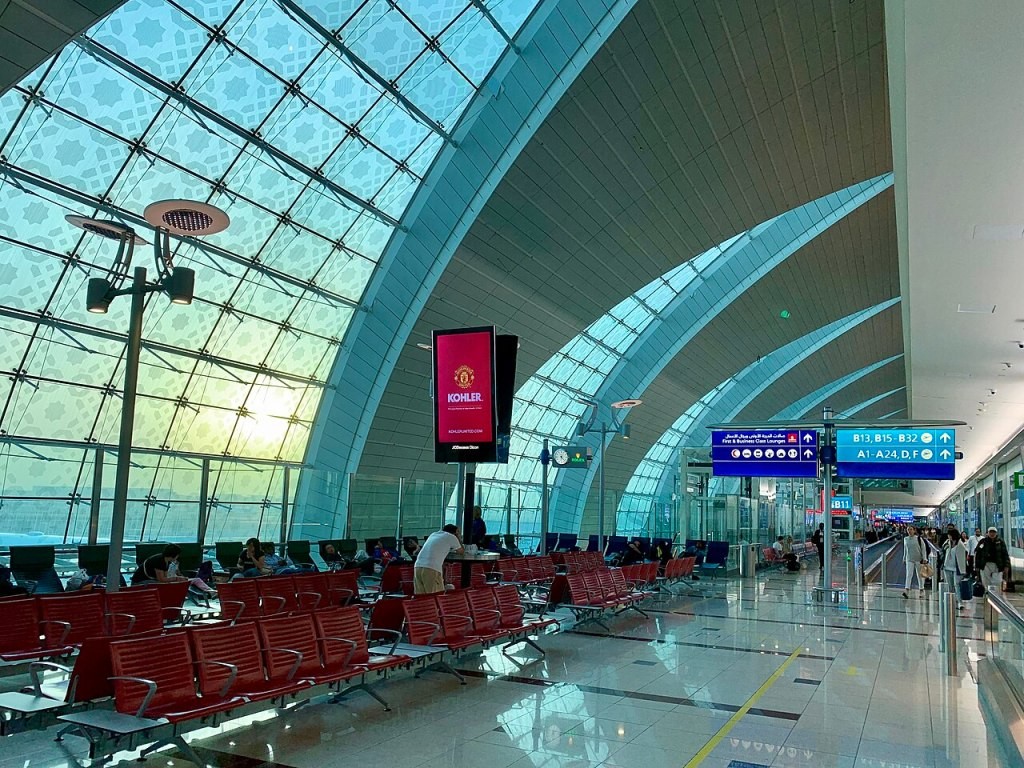
The travel industry, still recovering from the COVID-19 pandemic, now faces a new series of challenges—and surprising shifts in consumer behavior. From rising demand for all-inclusive resorts to the limitations of AI in crisis management, and the expansion of luxury travel platforms, the sector is being stress-tested in real time.
All-Inclusive Travel Gains Momentum
All-inclusive vacations are surging in popularity, driven by travelers who prioritize value and curated experiences. This isn’t merely a short-term trend; new data confirms a sustained demand for packages that maximize travel investment. Consumers want predictability and a wide range of activities, making all-inclusive options increasingly attractive—especially in an uncertain economic climate. This shift underscores a broader pattern: travelers are willing to pay more for convenience and control over their spending.
Crisis Response: Humans Over AI
Despite promises of AI-powered solutions following the disruptions of the pandemic, recent crises (particularly in the Middle East) have exposed the fragility of automated customer service. While travel companies now offer more flexible rebooking and refund policies than during COVID-19, overwhelmed support systems often fail to provide adequate assistance to customers. The narrative around AI has quietly receded as human agents step back into crucial roles during periods of high demand and rapid change. This highlights a critical lesson: technology alone cannot replace the need for adaptable, empathetic human intervention in travel crises.
Luxury Travel Expands into Remote Experiences
The high-end travel sector is seeing strong growth, particularly in remote, experience-led stays. Beckons, a platform expanding through acquisitions of established lodge operators, is capitalizing on this trend. Rising demand for privacy and unique destinations is driving owner interest and supporting expansion into previously inaccessible locations. This points to a broader shift in luxury travel: consumers now seek exclusivity and immersive experiences over traditional high-end amenities.
The travel industry’s current state underscores its adaptability. While technology continues to play a role, human-driven crisis response and a focus on curated, value-driven experiences are proving essential for navigating a world of ongoing disruptions.