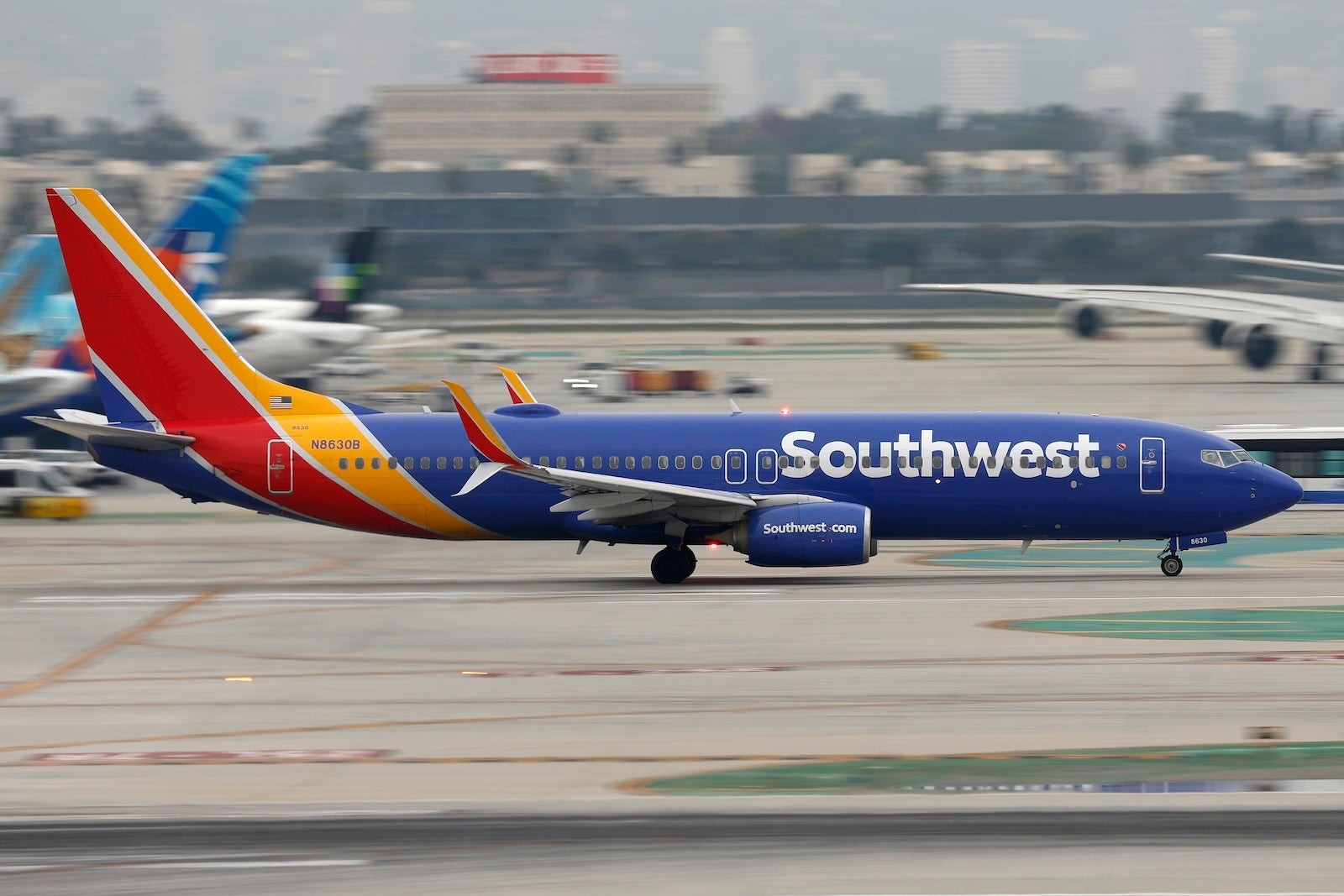
Southwest Airlines is aggressively expanding its presence at two of its most critical hubs—Las Vegas and Orlando—in the immediate aftermath of Spirit Airlines’ sudden shutdown. The Dallas-based carrier announced it will add or increase service on 49 routes across Harry Reid International Airport (LAS) and Orlando International Airport (MCO).
While the headline number suggests a massive overhaul, the reality is more nuanced. Only four of these routes are entirely new for Southwest, with the remainder representing increased frequency on existing connections. This strategic move allows Southwest to capture market share left vacant by Spirit, the ultra-low-cost carrier that ceased operations earlier this month after years of financial instability and a failed merger with JetBlue.
The Details of the Expansion
Southwest’s expansion focuses on deepening its dominance in markets where it already holds a strong foothold. According to the airline, Las Vegas and Orlando are “foundational communities” in its network, where it currently offers the highest volume of seats and nonstop options.
The New Routes (Starting March 2027):
* Las Vegas (LAS) to Boston Logan International (BOS)
* Las Vegas (LAS) to McGhee Tyson Airport (TYS), near Knoxville, Tennessee
* Las Vegas (LAS) to Miami International (MIA)
* Las Vegas (LAS) to Philadelphia International (PHL)
Tickets for these four new Las Vegas destinations are not yet available for purchase. Andrew Watterson, Southwest’s Chief Operating Officer, emphasized that this expansion builds upon the “hundreds of flights a day” the airline already operates in these cities.
“Las Vegas and Orlando are foundational communities in our network… We’re bringing more to our relationship in both places.”
— Andrew Watterson, COO, Southwest Airlines
Why This Matters: The Post-Spirit Landscape
The timing of this announcement is significant. Spirit Airlines, which accounted for nearly 2% of domestic U.S. seats, collapsed on May 2 after exhausting options for survival. Its demise has triggered a rapid reshuffling of the U.S. aviation market, with competitors scrambling to absorb its routes, assets, and customer base.
This is not an isolated incident but part of a broader industry trend where larger, more stable carriers are moving in to fill the void left by distressed ultra-low-cost carriers (ULCCs).
- JetBlue is already expanding at Fort Lauderdale-Hollywood International Airport (FLL), Spirit’s former largest hub, adding 11 new routes.
- Frontier Airlines has identified growth opportunities at DFW, Detroit (DTW), FLL, LAS, and MCO.
- Breeze Airways is increasing flights from Atlantic City (ACY).
Beyond Las Vegas and Orlando
While Southwest focuses on LAS and MCO, other airports are poised for similar competitive shifts. Aviation analyst Brett Snyder notes that Myrtle Beach (MYR), LaGuardia (LGA), and Newark (EWR) are key areas to watch. Spirit was the second-largest carrier at Myrtle Beach and held valuable, scarce landing slots at the congested New York-area airports.
Fred Cromer, Spirit’s former CFO, recently requested an expedited court process to sell assets, including gates and slots. The speed at which these assets are distributed will determine how quickly competitors like Southwest, JetBlue, and Frontier can solidify their new market positions.
What’s Next for Southwest?
This route expansion is part of a broader push for Southwest to diversify its network beyond its traditional strongholds. In addition to the Las Vegas and Orlando updates, the airline is preparing to launch its inaugural service to Alaska on May 15, marking a significant geographic expansion into a market it has not served directly in decades.
Conclusion
Southwest’s expansion in Las Vegas and Orlando is a calculated response to the vacuum left by Spirit Airlines’ collapse. By increasing frequency on existing routes and introducing select new connections, Southwest aims to solidify its dominance in key leisure markets while competitors like JetBlue and Frontier vie for assets elsewhere. This shift underscores a broader industry consolidation, where financial stability is becoming the primary determinant of market share.