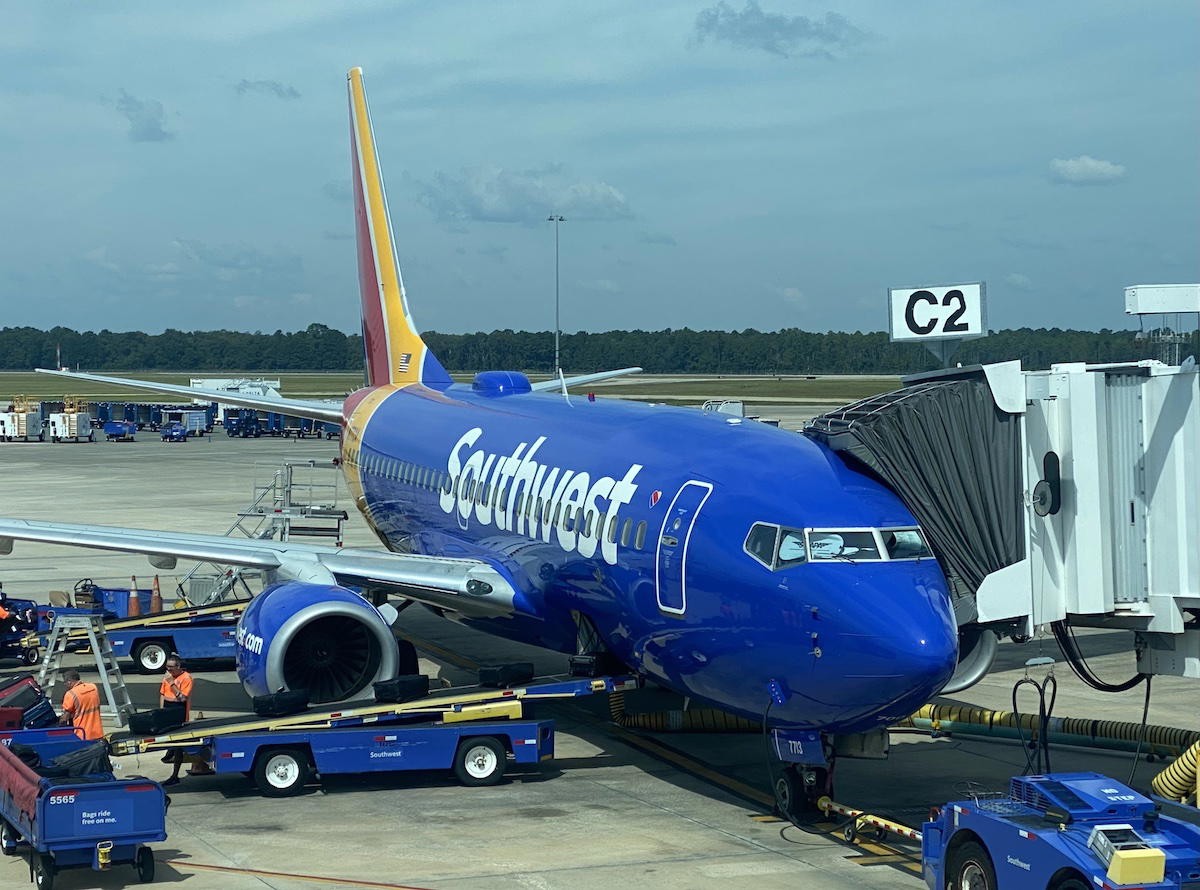
Southwest Airlines will end flights to Chicago O’Hare International Airport (ORD) by June 2026, refocusing operations on Chicago Midway International Airport (MDW). This decision, while not unexpected, highlights the challenges faced by airlines competing in highly concentrated hub markets.
The Shift to Midway
Southwest cited the need to “refine its network” as the primary reason for the move. However, the reality is more pragmatic: O’Hare is dominated by American and United Airlines, making profitable operations difficult for a carrier like Southwest. The airline’s statement that O’Hare operations were “challenging” likely refers to financial performance rather than logistical hurdles.
Currently, Southwest flies about a dozen routes from O’Hare, including flights to key cities like Austin, Dallas, Denver, Las Vegas, and Phoenix. These routes are now slated for discontinuation, as the airline doubles down on its established presence at Midway.
A Brief Experiment with Major Hubs
Southwest’s foray into O’Hare began in 2021, following a broader trend of airlines testing new market opportunities post-pandemic. The carrier had previously relied exclusively on Midway for Chicago service. This expansion to major airports was part of a wider experiment: could Southwest attract new customers by operating from larger international hubs?
A similar move into Houston Intercontinental Airport (IAH) was abandoned in 2024, suggesting the strategy did not yield sustainable results. The question was whether Southwest could compete with legacy carriers on schedule or loyalty programs. The answer appears to be no.
Why Fortress Hubs Matter
Southwest’s departure underscores the importance of “fortress hubs” in airline strategy. Legacy carriers like American and United have a significant advantage in markets where they dominate, making it difficult for smaller players to compete. Southwest’s model relies on high-frequency, point-to-point routes, which are less effective in highly congested hub airports.
Another factor is booking patterns. Searching for flights on platforms like Google Flights often prioritizes major airports, potentially excluding routes from smaller hubs like Midway. It’s possible Southwest was testing whether operating from O’Hare would improve its visibility in search results, but ultimately, the experiment failed to justify the costs.
Conclusion
Southwest’s exit from O’Hare is a logical move, reinforcing the airline’s preference for controlled hub environments. The carrier will refocus on Midway, where it has a stronger position and more established network. This decision underscores the limitations of competing with dominant airlines in their core markets, and confirms that airlines prioritize efficiency and profitability over market share at all costs.