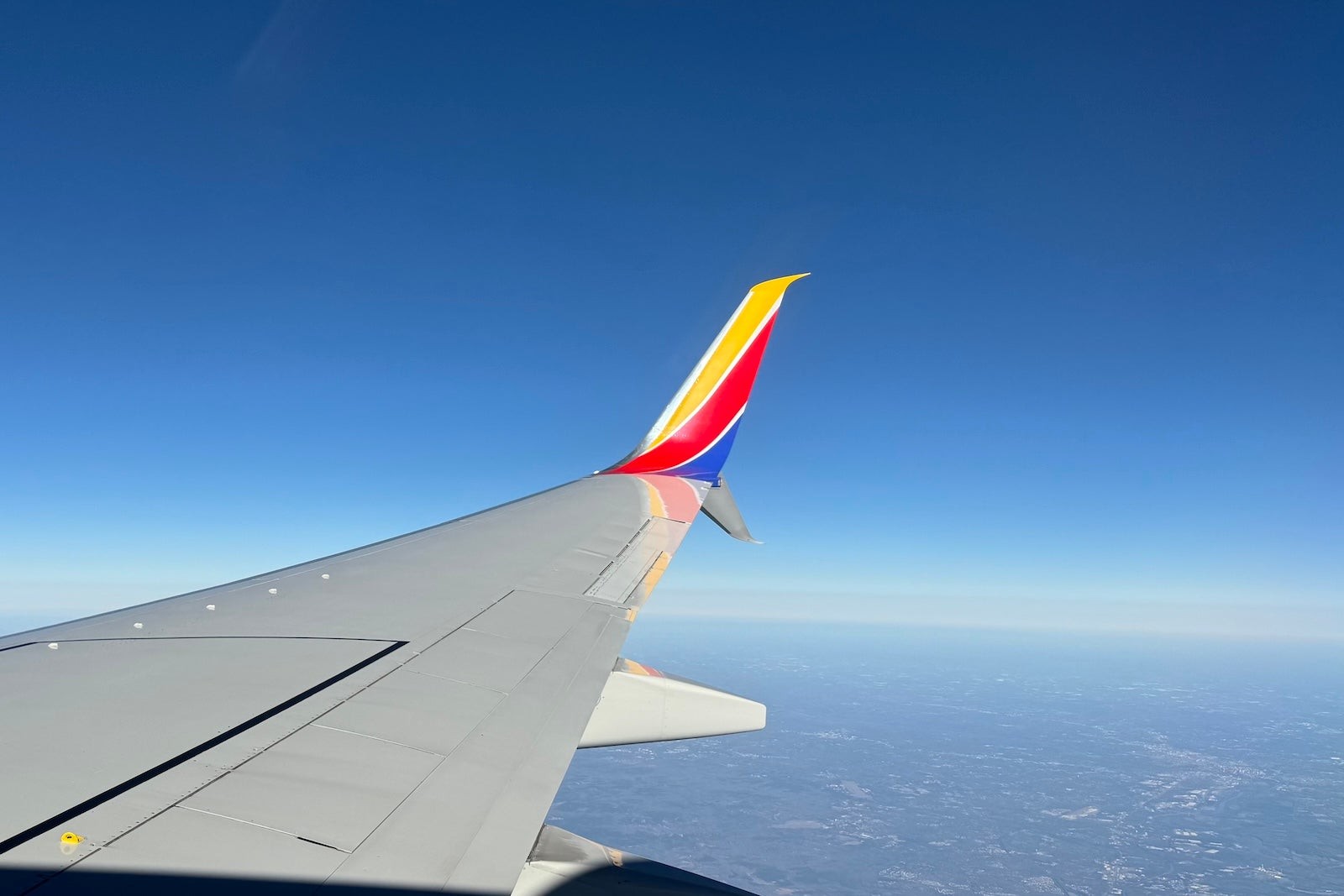
Southwest Airlines has announced a significant increase in its baggage fees, marking a swift shift in its business model. Starting with tickets booked from Thursday, April 9, the cost to check a single bag will rise from $35 to $45 —a nearly 28% increase. The airline is also raising the fee for a second checked bag by $10.
A Rapid Shift in Policy
This price hike comes less than a year after Southwest abandoned its iconic “bags fly free” policy, which had long served as a primary differentiator for the carrier. The airline has been undergoing a massive structural transformation, moving away from its low-cost roots toward more traditional industry standards, including the introduction of assigned seating earlier this year.
The fact that Southwest is raising fees so soon after implementing them suggests a rapid recalibration of how the airline generates revenue to offset rising operational costs.
The Industry Context: Why Now?
Southwest is not acting in isolation. The airline is following a broader trend across the U.S. aviation sector:
– Rising Costs: Global oil prices have surged, leading to skyrocketing jet fuel expenses for all carriers.
– Industry Momentum: JetBlue, United Airlines, and Delta Air Lines have all announced or implemented fee increases in recent days.
– The “Follower” Effect: In the airline industry, pricing often moves in tandem. Once major players raise fees to offset fuel costs, others typically follow to maintain profit margins.
Currently, American Airlines remains the primary major U.S. carrier that has not yet joined this recent wave of fee increases.
Who is Exempt?
Despite the price hike, certain loyal customers will see no change in their travel costs. The new fees will not apply to:
– A-List members of the Rapid Rewards loyalty program.
– Southwest co-branded credit cardholders, who continue to receive specific baggage perks.
Summary
Southwest’s decision to hike baggage fees reflects a broader industry pivot toward offsetting high fuel costs through ancillary revenue. This move signals the end of Southwest’s era as a pricing outlier, as it aligns itself more closely with the fee structures of its major competitors.