


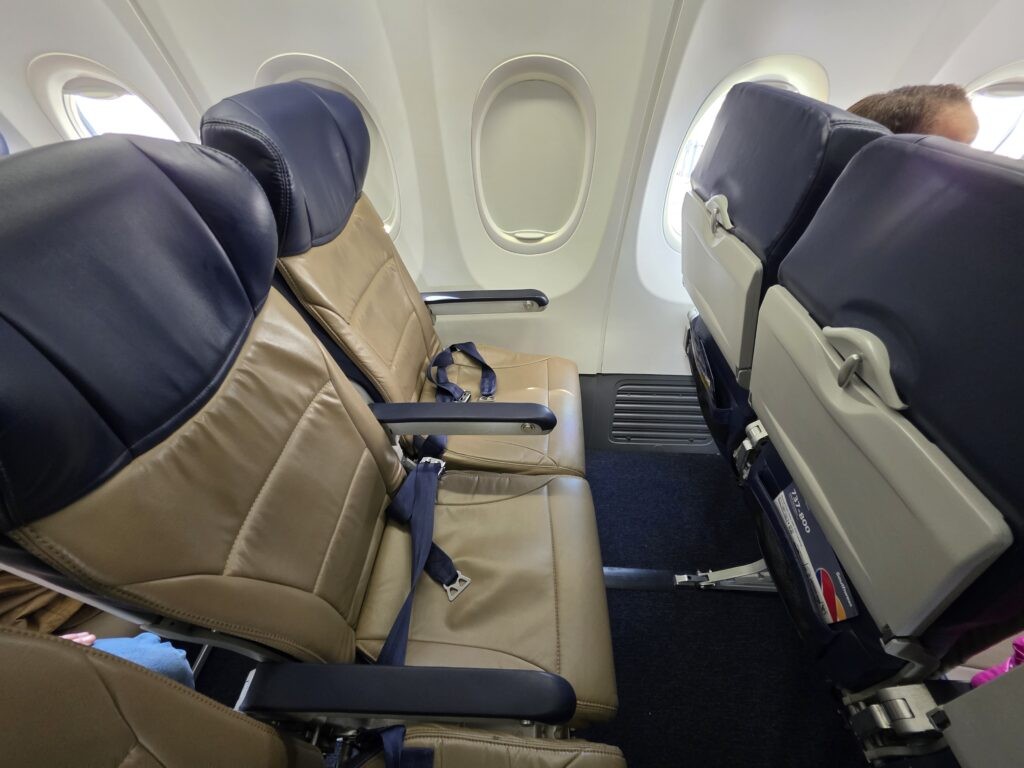
Southwest Airlines is piloting a new cabin cleaning protocol that prioritizes premium seating areas over standard economy, sparking backlash from flight attendants and raising questions about the airline’s commitment to equitable service. The change involves dispatching cleaning crews between flights solely to service extra legroom seats, leaving the remainder of the aircraft to be tidied by flight crew.
A Two-Tiered Approach to Cleanliness
The initiative, revealed in a memo obtained by union representatives, has drawn sharp criticism from Chris Click, a board member and safety chair for the Southwest flight attendants union. Click likened the practice to the stark class divisions aboard the Titanic, where affluent passengers enjoyed luxury while those in lower decks faced neglect.
“This is class service,” Click stated, referencing the disparity in cleaning standards. “Passengers in ELR (extra legroom) seats get fully cleaned cabins, while those in the back receive only a superficial tidy.”
The concern stems from the airline’s traditional model of relying on flight attendants to perform basic cabin maintenance between turns. Unlike many competitors, Southwest has historically avoided employing dedicated cleaning crews for faster turnaround times. However, this new experiment suggests a willingness to introduce tiered service, potentially at the expense of consistent cleanliness across all seating classes.
Operational Considerations vs. Passenger Experience
Southwest’s move comes amid broader pressures to streamline operations and reduce ground time. The airline faces challenges from increasing carry-on baggage due to checked bag fees, which slows boarding. Extending cleaning protocols could exacerbate these delays.
However, industry observers point out that even with contract cleaners, time constraints often prevent thorough sanitation on other airlines. The key difference is that Southwest has long marketed itself as an egalitarian carrier, where all passengers receive the same level of service. This shift could erode that image, particularly among families and budget-conscious travelers who typically occupy standard economy seats.
A Looming Customer Backlash
Union officials predict that passengers will react negatively once they become aware of the two-tiered cleaning system. They anticipate an influx of complaints directed at flight attendants, who are already responsible for basic cabin upkeep. The union argues that a full cleaning crew should service the entire aircraft, not just premium sections, to ensure consistent hygiene standards.
The experiment raises questions about whether Southwest is willing to sacrifice its reputation for fairness in pursuit of operational efficiency. The airline has yet to publicly address the criticism, but the situation underscores a growing tension between cost-cutting measures and maintaining a positive passenger experience.
Ultimately, the trial highlights a potential shift in Southwest’s business model: one where premium services are prioritized, even at the expense of consistent cleanliness for all passengers.


