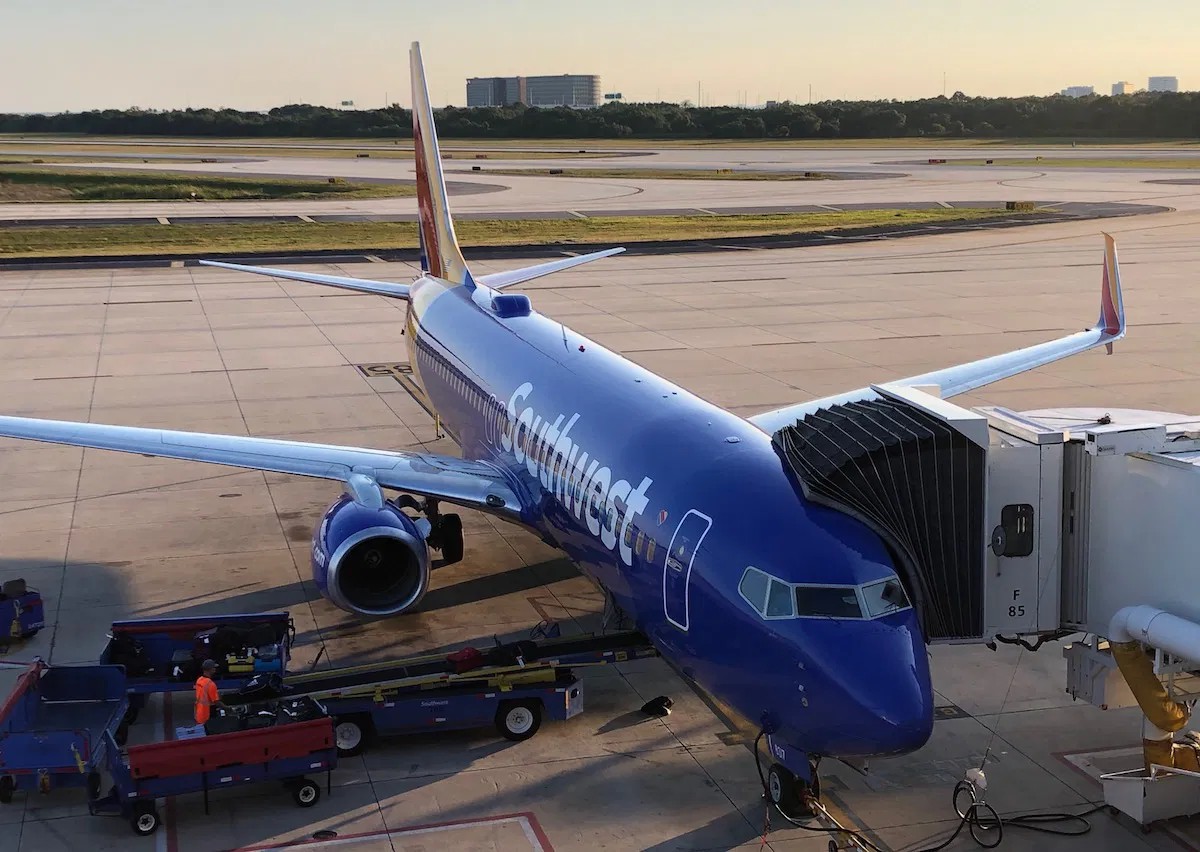
Southwest Airlines has revised its employee travel policy, now limiting access to flight attendant jumpseats to only pilots and flight attendants. Previously, employees in roles like reservations or gate agents could use these seats when passenger flights were full, providing a “last resort” option for non-revenue travel. The new rules effectively eliminate this benefit for most non-crew staff, a change that has stirred debate among employees.
Why This Matters: The Shift in Airline Perks
For decades, jumpseats—extra seats intended for working crew but sometimes available on a standby basis—have been a valuable perk in the airline industry. This change reduces the options for employees to travel for free or at a steep discount, especially during peak times when flights are overbooked. The policy shift is significant because it directly impacts employee benefits and highlights the growing tension between airlines and their workforce over working conditions and travel perks.
Union Support and Safety Concerns
The Transportation Workers Union (TWU) Local 556, representing Southwest flight attendants, actively lobbied for this change, citing safety and operational efficiency. The union argued that only fully trained crew members should occupy jumpseats due to the critical role they play in emergency evacuations. They also emphasized the importance of jumpseat space for commuting crew members, who rely on these seats to reach their work locations.
“Having non-Crew individuals sit in the cabin jumpseat can disrupt in-flight duties. Only other Flight Attendants understand the needs of working crews…” – TWU Local 556
The Bigger Picture: Labor Relations at Southwest
Southwest’s decision appears, in part, as a goodwill gesture toward flight attendants amid broader policy changes that have caused friction between management and crew. Recent changes, such as assigned seating and extra-legroom options, have been contentious, leading to disputes over baggage storage and other operational issues. Restricting jumpseat access is seen as an attempt to appease flight attendants and secure their cooperation on future policy implementations.
The change aligns Southwest with broader industry standards where jumpseat access is typically restricted to crew members. While some employees may be negatively affected, the airline’s move reflects a tightening of non-revenue travel benefits.
In conclusion, Southwest Airlines has narrowed jumpseat access to pilots and flight attendants, responding to union demands and aiming to improve labor relations amid broader operational changes. The shift underscores the ongoing dynamics between airlines and their employees over travel perks and workplace conditions.