Scotland is experiencing a surge in tourism driven by film and television locations – a phenomenon known as “set-jetting.” Recent data shows a 378% increase in visitors to historic Blackness Castle after it was featured in the series Outlander, raising questions about whether this trend can be managed sustainably. The growth is part of a broader global pattern: from Hobbiton in New Zealand (drawing over 600,000 visitors annually) to Sicily’s White Lotus -inspired destinations, screen tourism is reshaping travel habits.
The Rise of Set-Jetting
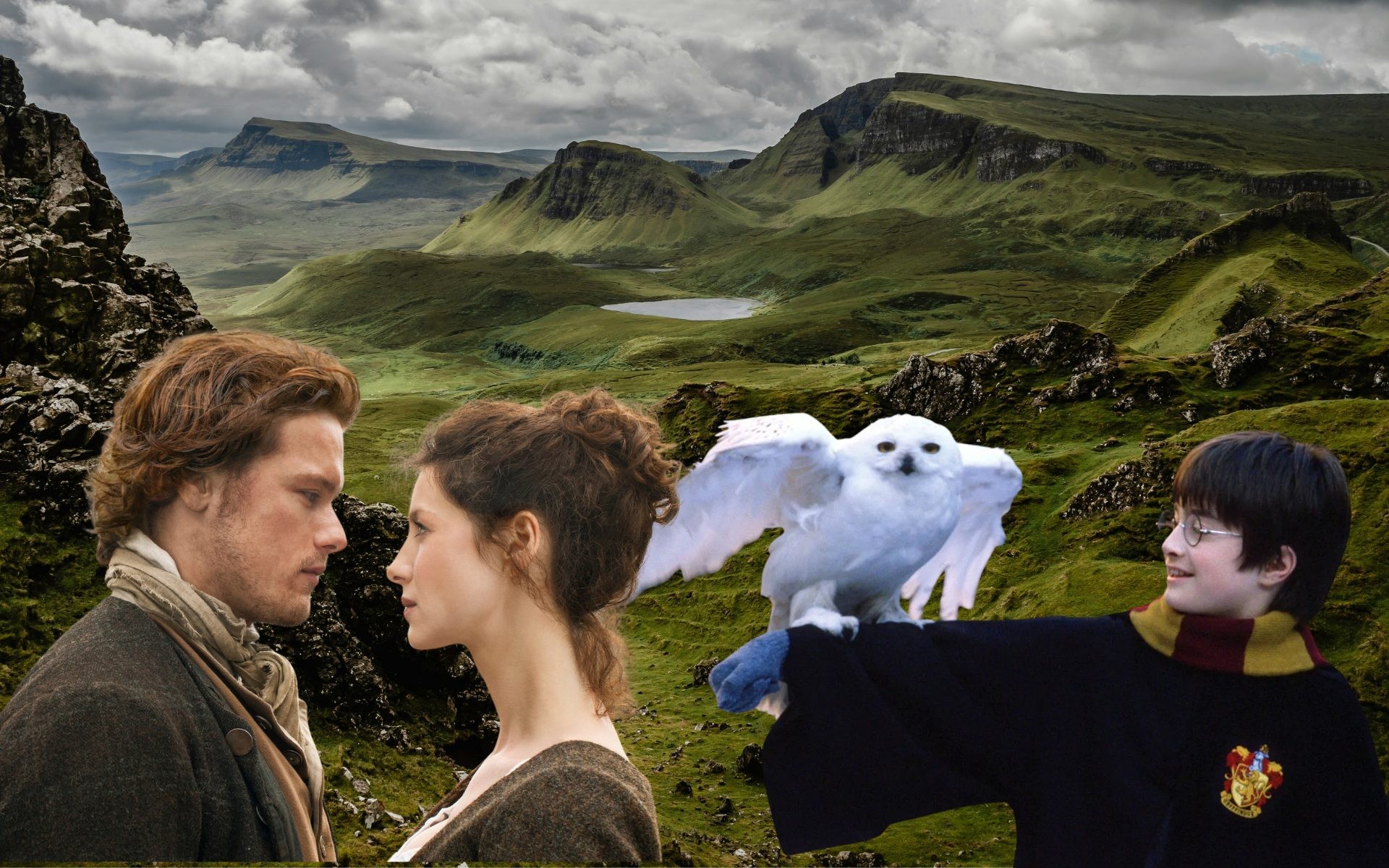
The trend isn’t new. The Lord of the Rings films sparked tourism in New Zealand decades ago, but its intensity is growing. A 2026 travel report indicates that 53% of travelers now actively seek out filming locations, with Gen Z and Millennials leading the charge (81% planning such trips). Scotland, however, is uniquely positioned to benefit. Having served as a backdrop for Braveheart, James Bond, Harry Potter, and Outlander, along with the recent hit reality show The Traitors, the nation is becoming a screen tourism hotspot.
Why Scotland?
Scotland’s success isn’t accidental. The country’s landscapes tap into a deep cultural fascination with history, mysticism, and romance. Visit Scotland studies show that 62% of UK adults associate the nation with poets, writers, and storytelling traditions, making it a natural fit for fantasy and historical productions. One in five visitors now cite film, TV, or literature as inspiration for their trip, translating to an estimated $218.8 million in economic impact in 2023 alone.
Managing the Impact
The influx of visitors poses risks. Destinations like Maya Bay in Thailand and Dubrovnik have suffered from overtourism, with ecological damage and local disruption. Scotland has preemptively addressed these concerns through the Rural Tourism Infrastructure Fund (RTIF) established in 2018. This initiative focuses on improving visitor facilities, dispersing tourism away from hotspots, and promoting lower-impact travel.
Doune Castle, featured in Outlander, benefited from RTIF funding that refurbished public restrooms and extended walking paths. This is part of a broader national strategy – Scotland Outlook 2030 – aiming for sustainable, inclusive tourism while achieving net-zero emissions by 2045.
Local Benefits and Innovation
Local businesses are capitalizing on the trend. Emma Filgas of Mary Meanders pivoted her tour company to focus on Outlander locations, catering to a predominantly female, over-45 demographic from North America, Canada, Australia, Germany, and Scandinavia. Luxury hotels like Links House at Royal Dornoch are curating “Highland Stage” packages that celebrate Scotland’s cinematic landscapes without directly tying into any single production.
Kenny McMillan of Highland Coast Hotels emphasizes the benefits for rural communities, channeling tourism revenue to local businesses and craftspeople. The focus is on encouraging visitors to explore beyond major attractions, supporting a more grassroots economic model.
The Future of Screen Tourism
With ongoing film productions (including new Spiderman and Christopher Nolan projects) choosing Scotland as a location, the trend shows no signs of slowing down. Scotland’s proactive approach to infrastructure development and sustainability positions it as a potential blueprint for responsible screen tourism worldwide. The inherent beauty of the region, combined with strategic planning, suggests that it may be possible to harness the economic benefits of film-inspired travel without sacrificing the environment or local communities.
Scotland’s success highlights the importance of foresight in tourism management. By prioritizing sustainability and supporting local economies, the nation demonstrates that screen tourism can be a force for good rather than a destructive force.