Scotland is experiencing a boom in tourism driven by the growing phenomenon of “set-jetting” – travel inspired by film and television locations. A historic castle in Scotland recently saw a 378% visitor increase, demonstrating the powerful draw of screen tourism. While impressive, this raises questions about sustainability, especially as the sector continues to expand.
The Rise of Screen Tourism
The desire to visit filming locations isn’t new. The Lord of the Rings trilogy sparked tourism to New Zealand’s Hobbiton in the early 2000s, and it remains a top attraction, drawing over 600,000 visitors annually. More recently, shows like Sex and the City and The White Lotus have sent travelers searching for iconic locations in New York and Sicily, respectively. A 2026 report indicates that 53% of travelers now seek set-jetting experiences, with Gen Z and Millennials leading the trend at 81%.
Scotland’s Cinematic Advantage
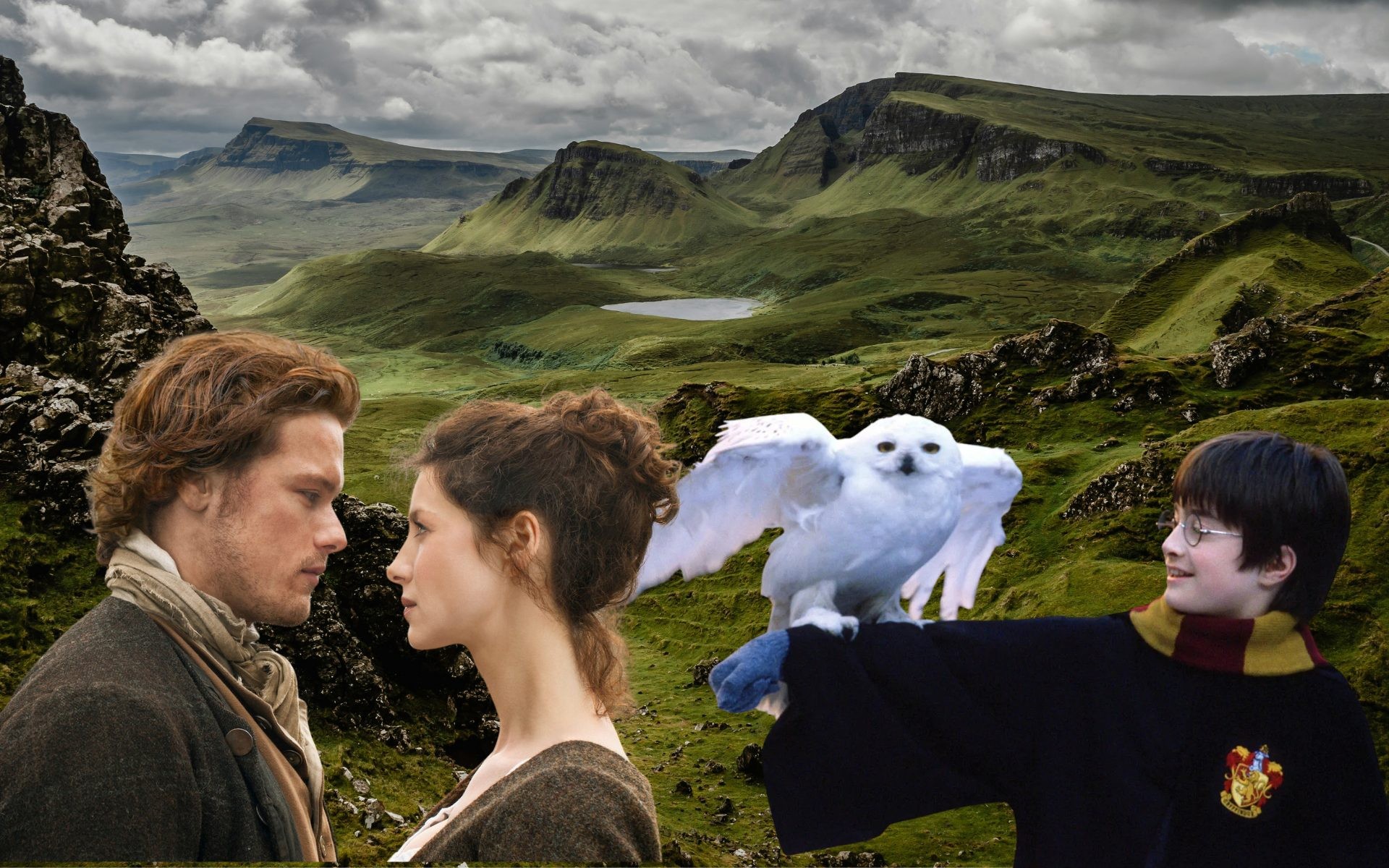
Scotland has emerged as a prime destination for screen tourism, leveraging its iconic landscapes featured in productions like Braveheart, James Bond, Harry Potter, and Outlander. The recent success of reality TV show The Traitors has further amplified this trend, with both the UK and US versions filmed in Scottish castles.
Scotland’s appeal lies in a blend of romanticism, mysticism, and a rich cultural history. The nation is perceived as a land of poets and writers, from Robert Burns to J.M. Barrie, adding to its allure. Approximately one in five visitors now cite film, TV, or literature as inspiration for traveling to Scotland, resulting in an estimated economic impact of $218.8 million in 2023.
The Outlander Effect and Beyond
The Outlander series has been particularly transformative for Scottish tourism. Local tour operators, like Mary Meanders, have adapted by offering specialized tours catering to the show’s dedicated fan base – primarily women aged 45+ from North America, Australia, and Europe.
Similarly, The Traitors has injected an estimated $29.5 million into Scotland’s economy between 2022 and 2025. Luxury hotels, such as Links House at Royal Dornoch, have responded by creating curated experiences that capture the show’s atmosphere, focusing on the Highlands’ cinematic landscapes.
Even in urban areas like Edinburgh, film locations from Outlander, Rebus, and the Avengers draw curious visitors, blurring the line between fiction and reality.
Avoiding Overtourism: Lessons from Elsewhere
The potential downsides of unchecked screen tourism are well-documented. Maya Bay in Thailand was forced to close for years due to environmental damage caused by mass tourism. Dubrovnik, featured in Game of Thrones, now sees visitors outnumbering locals by a significant margin.
However, Scotland has proactively addressed these concerns. In 2018, the Rural Tourism Infrastructure Fund (RTIF) was established to improve visitor facilities, disperse crowds, and promote lower-impact tourism. For example, Doune Castle saw public toilet upgrades and path extensions to better accommodate visitors.
A Sustainable Model?
VisitScotland’s 2030 strategy aims to position Scotland as a global leader in responsible tourism, aligning with the national goal of net-zero emissions by 2045. Kenny McMillan of Highland Coast Hotels emphasizes the potential for screen tourism to support local businesses and communities outside major urban centers.
Scotland’s proactive approach suggests a viable blueprint for balancing economic benefits with environmental and social sustainability. With major productions, like the new Spiderman film and Christopher Nolan’s The Odyssey, recently filmed in the country, the trend is likely to continue.
Ultimately, Scotland demonstrates that screen tourism can be a sustainable economic driver when thoughtfully managed and integrated with broader environmental and community goals.