The airline industry is notoriously cutthroat, yet a handful of leaders have demonstrably risen above, not just maintaining profitability, but fundamentally altering how air travel functions. This isn’t about popularity; it’s about impact, vision, and the ability to navigate an industry defined by razor-thin margins and relentless competition. Here’s a look at seven airline CEOs who have earned respect through their strategies, resilience, and willingness to challenge convention.
The Visionaries: Setting New Standards
The most effective airline leaders aren’t just managers; they’re architects of change. Some build empires, others stabilize struggling giants, and a few disrupt the entire playing field. Their success hinges on anticipating market shifts, understanding consumer behavior, and having the courage to make difficult decisions.
Tim Clark (Emirates Airline): The Dubai Dynamo
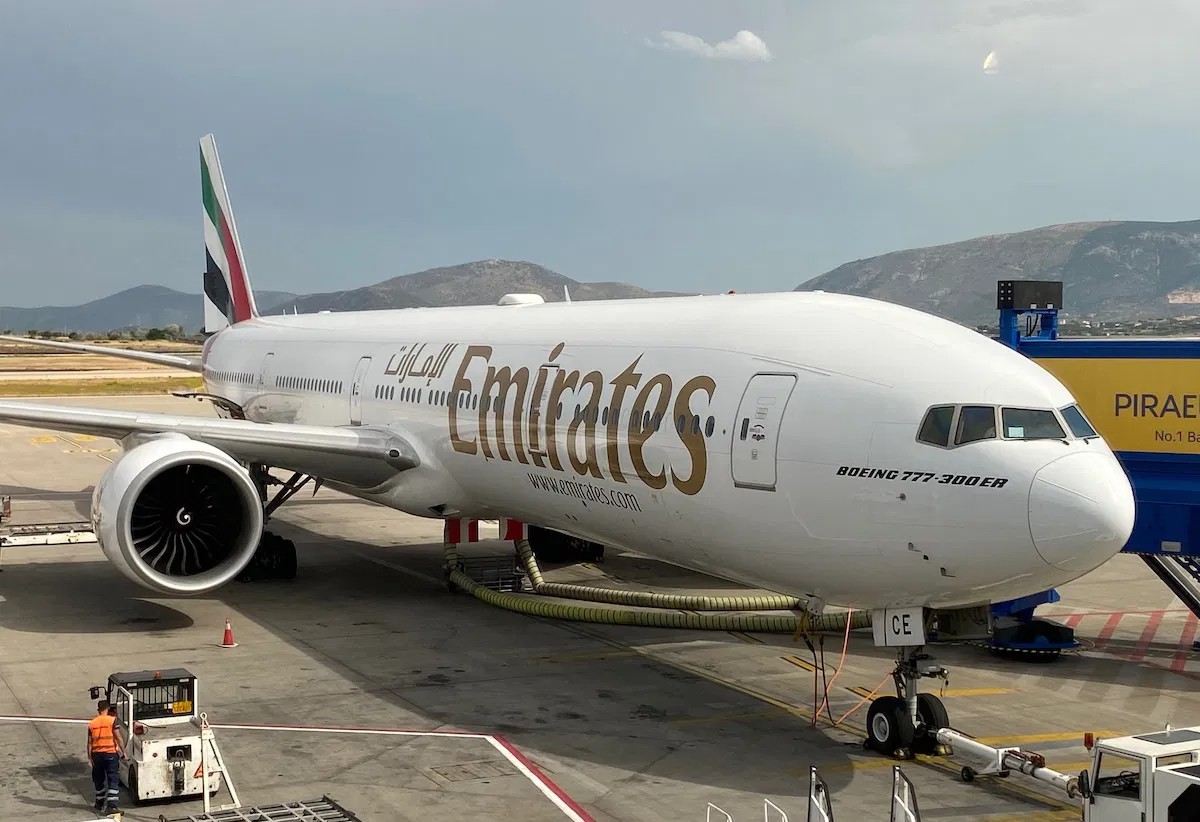
Tim Clark, though officially President of Emirates, is the driving force behind the airline’s meteoric rise. Over two decades at the helm, he transformed Dubai into a global aviation hub. Emirates didn’t just scale up; it redefined luxury air travel with its A380 fleet and a relentless focus on passenger experience. Clark’s blunt honesty and industry foresight have earned him a legendary status, even if his execution isn’t always focused on the latest product features.
Ben Smith (Air France-KLM): The European Navigator
Leading a major European airline group is a tightrope walk between cost pressures, labor disputes, and fierce competition. Ben Smith has proven adept at balancing these forces since taking the reins in 2018. His decisive action in dismantling Air France’s low-cost subsidiary, Joon, to restore morale and brand consistency demonstrated a willingness to prioritize long-term health over short-term gains. Smith’s continued investment in premium products sets him apart in a region often bogged down by austerity.
Ed Bastian (Delta Air Lines): The Steady Hand
Delta’s consistent profitability under Ed Bastian isn’t about flashy innovation but about reliable execution. While not a revolutionary, Bastian has maintained a premium service standard while fostering strong labor relations—a rarity in US aviation. Delta weathered the pandemic better than most, a testament to its stable leadership and strategic positioning.
The Transformers: Disrupting the Status Quo
Some CEOs don’t just manage; they overhaul. They challenge established norms, often with controversial tactics, but leave an indelible mark on the industry.
Scott Kirby (United Airlines): The Premium Pivot
Scott Kirby, formerly known as a cost-cutter at American Airlines, has surprisingly steered United toward a more premium experience. His willingness to invest in both network expansion and cabin upgrades signals a fundamental shift in the airline’s identity. While his approach may lack finesse, the results are undeniable.
Michael O’Leary (Ryanair): The Low-Cost Disruptor
Love him or hate him, Michael O’Leary revolutionized European aviation with Ryanair’s ultra-low-cost model. For over three decades, he has unapologetically slashed fares, embraced aggressive tactics, and forced legacy carriers to adapt. His controversial labor practices are a stain on his legacy, but his impact on affordability is undeniable.
The Regional Powerhouses: Thriving in Challenging Environments
Not all success comes from dominating established markets. Some leaders excel by conquering unique challenges in regions where aviation infrastructure is underdeveloped or political instability reigns.
Mesfin Tasew (Ethiopian Airlines): The African Pioneer
Ethiopian Airlines stands alone as a profitable and reliable carrier on a continent plagued by instability. Mesfin Tasew has continued this success by navigating political hurdles and maintaining operational excellence. While the airline’s fleet diversity may be unorthodox, its ability to thrive where others fail is a testament to its leadership.
Goh Choon Phong (Singapore Airlines): The Long-Term Visionary
For 15 years, Goh Choon Phong has led Singapore Airlines through a period of intense competition and disruption. His ability to maintain the airline’s world-class reputation while adapting to shifting market dynamics is remarkable. Singapore Airlines’ financial resilience and passenger experience remain benchmarks for the industry.
In conclusion, the most respected airline CEOs aren’t necessarily the most popular or the most innovative; they are the ones who deliver results, adapt to change, and leave a lasting impact on how we fly. Their strategies may vary, but their ability to navigate the complexities of this industry is what truly sets them apart.