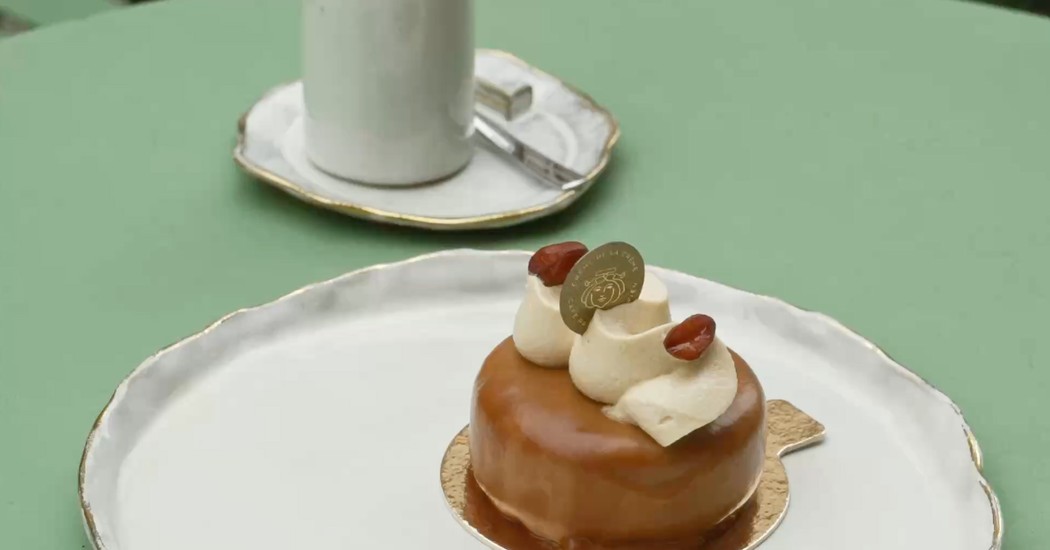
Vienna’s famed coffeehouse culture, a cornerstone of its identity for centuries, is undergoing a quiet but significant shift. While institutions like Cafe Sperl retain their classic charm, a new wave of cafes is emerging, blending tradition with modern sensibilities and a focus on quality ingredients. This isn’t merely a change in menu; it’s a revival of Viennese pastry, drinkable coffee, and farm-to-table ethos.
The Evolution of Viennese Cafe Culture
For decades, Viennese pastry remained largely unchanged, frozen in its pre-war glory. However, a younger generation of bakers and cafe owners is now pushing boundaries. As food critic Severin Corti notes, they’re bringing a fresh perspective that prioritizes local, organic produce and artisanal techniques. This evolution is a reaction to the increasingly crowded and commercialized historic cafes, where queues and selfie sticks often overshadow the experience.
A New Generation of Cafes: Vollpension as an Example
One standout is Vollpension, in the Freihausviertel district. This cafe operates on a unique model: employing senior citizens (“Opas” and “Omas,” meaning Grandpas and Grandmas) as key staff members. The concept isn’t just nostalgic; it’s genuinely heartwarming. Customers enjoy traditional pastries like Buchteln (jam-filled buns) and Kardinalschnitte (meringue, sponge cake, jam, and coffee cream) served by the very people who perfected these recipes over decades.
Beyond Tradition: Biodynamic Ingredients and Sourdough
The shift extends beyond cozy multigenerational cafes. Other establishments are pioneering biodynamic breakfasts, featuring eggs from farms practicing regenerative agriculture. Coffee beans are sourced obsessively, and sourdough breads are baked from nearly extinct grains. These cafes aren’t just serving food; they’re making a statement about sustainability and quality.
Vienna’s Green Capital Identity
This trend aligns with Vienna’s broader identity as one of the world’s greenest capitals. The city’s commitment to local agriculture – growing grapes and vegetables within its borders – is now reflected in its cafe scene. The new wave of establishments embodies this ethos, offering dishes that are both rooted in tradition and forward-looking in their approach.
Vienna’s cafe culture is evolving, proving that even the most cherished traditions can adapt and thrive by embracing quality, sustainability, and a touch of modern innovation. The city’s commitment to local ingredients and artisanal techniques is not just a culinary trend but a reflection of its broader commitment to environmental consciousness.