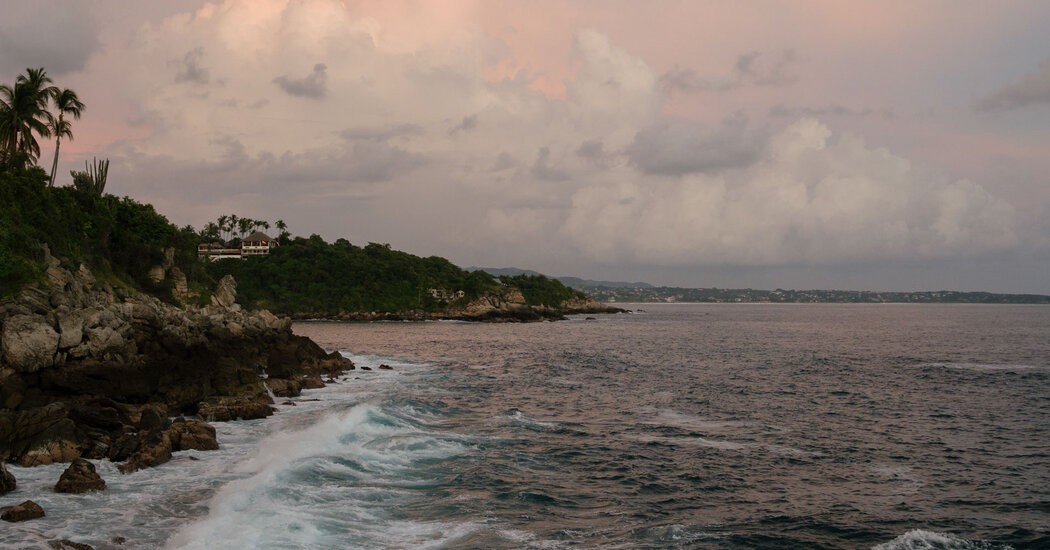
Puerto Escondido, a coastal region in Oaxaca, Mexico, has rapidly transformed from a rugged surf destination into an emerging center for art and architecture. The shift began in the early 2010s, as artists and architects sought alternatives to overcrowded tourist areas.
Early Days and Rough Beginnings
For years, reaching Puerto Escondido was an ordeal: hours of driving along winding mountain roads. The waves were legendary, but the local surf community wasn’t welcoming to outsiders. Artist Bosco Sodi recalls visiting as a child and facing hostility from locals, a dynamic that has since faded as the area gentrifies.
The Rise of Artistic Infrastructure
Sodi was among the first to invest in the region, opening Casa Wabi in 2014. This arts complex, designed by Tadao Ando, features stark concrete structures and traditional palapa roofs, setting a new architectural tone. The area soon attracted other architects, including Alberto Kalach, Jorge Hernández de la Garza, and Ludwig Godefroy, who developed eco-friendly boutique hotels. Grupo Habita, a luxury hospitality firm, operates three hotels and a sushi restaurant nearby.
Blending Tradition with Modernity
Puerto Escondido’s evolution isn’t just about high-end tourism. Fashion designer Carla Fernández has worked for decades with local Indigenous communities, particularly in Pinotepa de Don Luis, preserving ancient crafts like extracting dye from sea snails. This collaboration ensures the region retains its cultural identity while embracing modern development.
The transformation of Puerto Escondido highlights a broader trend: the rise of niche destinations that balance luxury tourism with cultural preservation. The area’s appeal lies in its unique blend of raw natural beauty, artistic innovation, and deep-rooted traditions.