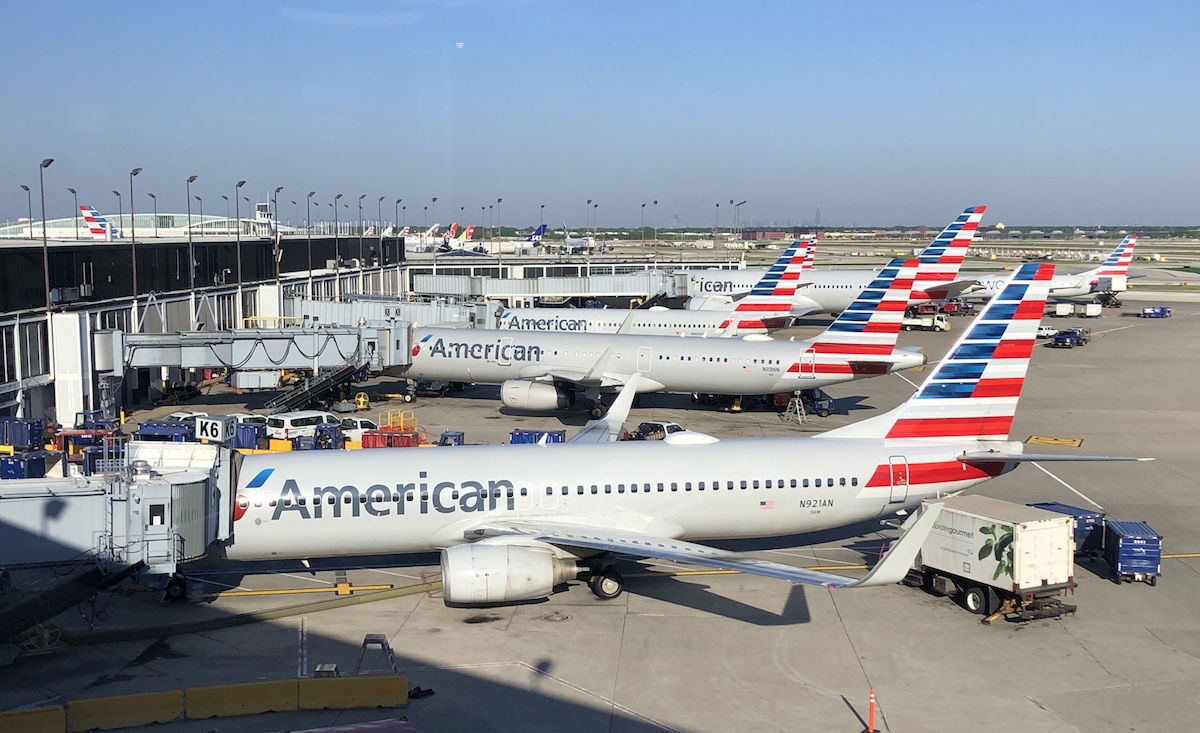
The battle for dominance at Chicago O’Hare International Airport (ORD) is escalating between United and American Airlines, with United CEO Scott Kirby making unusually aggressive predictions about the future. This isn’t just about flights and fares; it’s a test of strategy, brand loyalty, and the brutal realities of airline competition. The stakes are high: hundreds of millions of dollars in profit or loss, and potential shifts in market share that could reshape the airlines’ long-term strategies.
The Lay of the Land: A Decade of Shifting Power
For years, American and United have coexisted as major carriers at O’Hare. However, in recent times, United has steadily gained ground, driven by a focus on profitability and a clear strategy under CEO Scott Kirby. American, by contrast, has struggled to maintain its premium travelers and define a cohesive approach.
The competition isn’t just organic market forces; it’s heavily influenced by how gates are allocated at O’Hare. The airport’s system favors airlines with a long-term presence, meaning historical usage dictates future flight capacity. This gives United, with its established dominance, a significant advantage.
A Billion-Dollar Gamble: United Draws a Line
The real flashpoint came during United’s 2025 earnings call, where Kirby bluntly predicted American’s impending losses in Chicago. American recently announced plans to add over 100 daily flights, attempting to reclaim lost ground and secure more gate access. Kirby responded with a defiant “line in the sand” statement: United will match American’s capacity increases to prevent any further erosion of its market share.
Kirby is confident that this strategy won’t hurt United’s profits. In fact, he projects at least $500 million in earnings from Chicago in 2026, while predicting American could lose over $1 billion. This confidence stems from United’s focus on brand loyalty, a strategy Kirby believes inoculates the airline against simple price wars.
The Test of Brand Loyalty
Kirby’s vision is that customers will choose United over American, even if fares are lower elsewhere, because of a deeper connection to the airline’s service and technology. This is a bold claim, and Chicago will be the ultimate testing ground. If customers stick with United despite aggressive pricing from American, it will validate Kirby’s decade-long strategy.
However, if American succeeds in flooding the market with cheaper flights and winning back market share, Kirby’s predictions could fall flat. The outcome hinges on whether brand loyalty can truly outweigh price sensitivity in a competitive hub like Chicago.
The Bottom Line
The battle for Chicago O’Hare is more than just about flights: it’s a high-stakes clash of strategies and a test of brand loyalty. United is betting that its loyal customer base will protect its profits, even as American floods the market with capacity. If Kirby is right, American will suffer massive losses, cementing United’s dominance. If he’s wrong, the airline may have to reassess its aggressive approach. Either way, consumers should expect a fare war in the coming year as these two giants fight for control of the skies.