Flights operated by Emirates and Qatar Airways are running with unusually low passenger numbers as regional tensions escalate. The current hostilities involving Iran, combined with ongoing conflicts in the Middle East, have created a situation where premium cabins—first and business class—are often nearly empty. This is not a typical market slowdown; it’s a direct result of geopolitical instability impacting air travel demand.
Reduced Demand Amidst Regional Tensions
The primary driver behind these sparsely populated flights is the ongoing conflict in the region. With the U.S. and Israel engaged in hostilities, and Iran retaliating against neighboring states, air travel has been severely disrupted. Passengers are hesitant to transit through or fly to destinations perceived as high-risk.
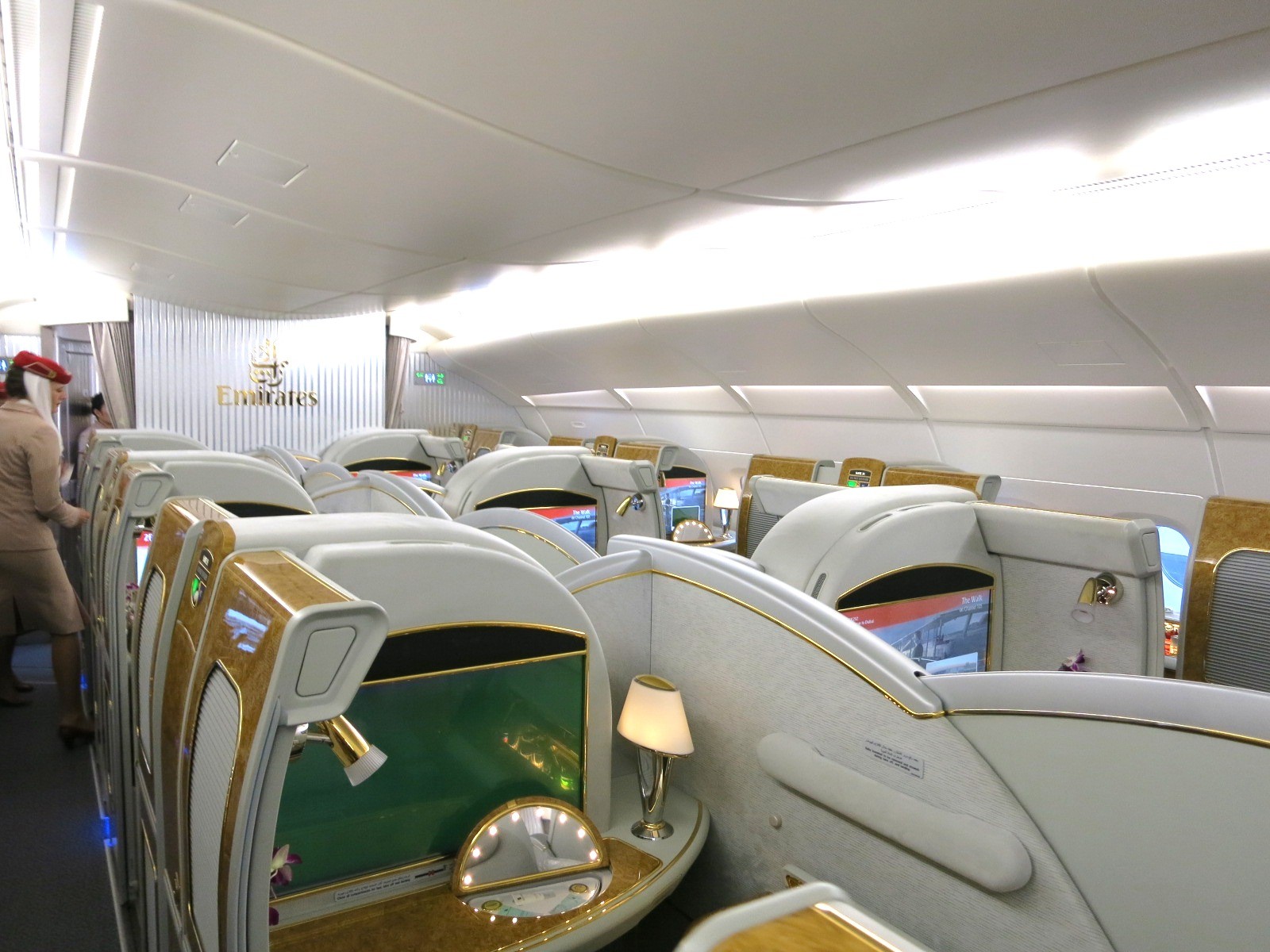
This has led to a sharp decline in bookings, even for premium cabins where travelers typically pay substantial premiums for comfort and exclusivity. Reports from passengers detail Emirates A380 flights from Frankfurt to Dubai carrying as few as 50 passengers on an aircraft capable of holding 468. The result: entire first-class suites, including onboard shower spas, remain unoccupied.
Economic Impact: Low Hotel Prices
The reduced passenger flow isn’t limited to air travel. Hotel occupancy rates in major transit hubs like Dubai and Doha have also plummeted, driving down prices significantly. This presents an unusual opportunity for those willing to travel during this period—luxury accommodations can be secured at unusually low rates.
Historical Parallels: Empty Flights Through the Years
While today’s situation is rooted in geopolitical instability, empty flights aren’t unprecedented. In the early 1980s, flights from New York to Cincinnati operated with just a handful of passengers after prolonged delays. Similarly, on New Year’s Day 2000, a United 777 from Los Angeles to Washington D.C. carried minimal passengers due to Y2K fears.
However, these past instances were driven by isolated incidents or anxieties; the current trend reflects a systemic disruption caused by regional conflict. Instances of individuals enjoying private jet-like experiences on commercial flights, such as a 7-hour Etihad flight with a single passenger, are now occurring more frequently due to the broader decline in air travel demand.
Conclusion
The nearly empty luxury cabins on Emirates and Qatar flights are a stark indicator of the impact of geopolitical tensions on air travel. The combination of reduced passenger demand and lower hotel prices creates an unusual scenario for those willing to navigate the risks—but it also highlights the fragility of the travel industry in the face of regional instability.