New Haven, Connecticut, is not immediately associated with culinary dominance. With a population under 140,000 and known primarily as the home of Yale University, it lacks the metropolitan heft of New York, Chicago, or Detroit. Yet, this quiet New England city has cultivated a pizza culture so distinct and fiercely protected that it is redefining what constitutes “great” pizza.
The secret lies in a specific dialect, a unique cooking method, and a community that treats pizza not as fast food, but as a heritage craft. Here is why New Haven’s apizza (pronounced ah-beetz ) is earning its reputation as a contender for the title of America’s pizza capital.
The Anatomy of Apizza: Coal, Char, and Simplicity
To understand New Haven pizza, one must first understand the terminology. The local term apizza is a linguistic fossil, a remnant of the Neapolitan dialect spoken by Italian immigrants who arrived in the early 1900s. Using the term correctly is a subtle badge of respect within the community.
The style itself is defined by three critical factors:
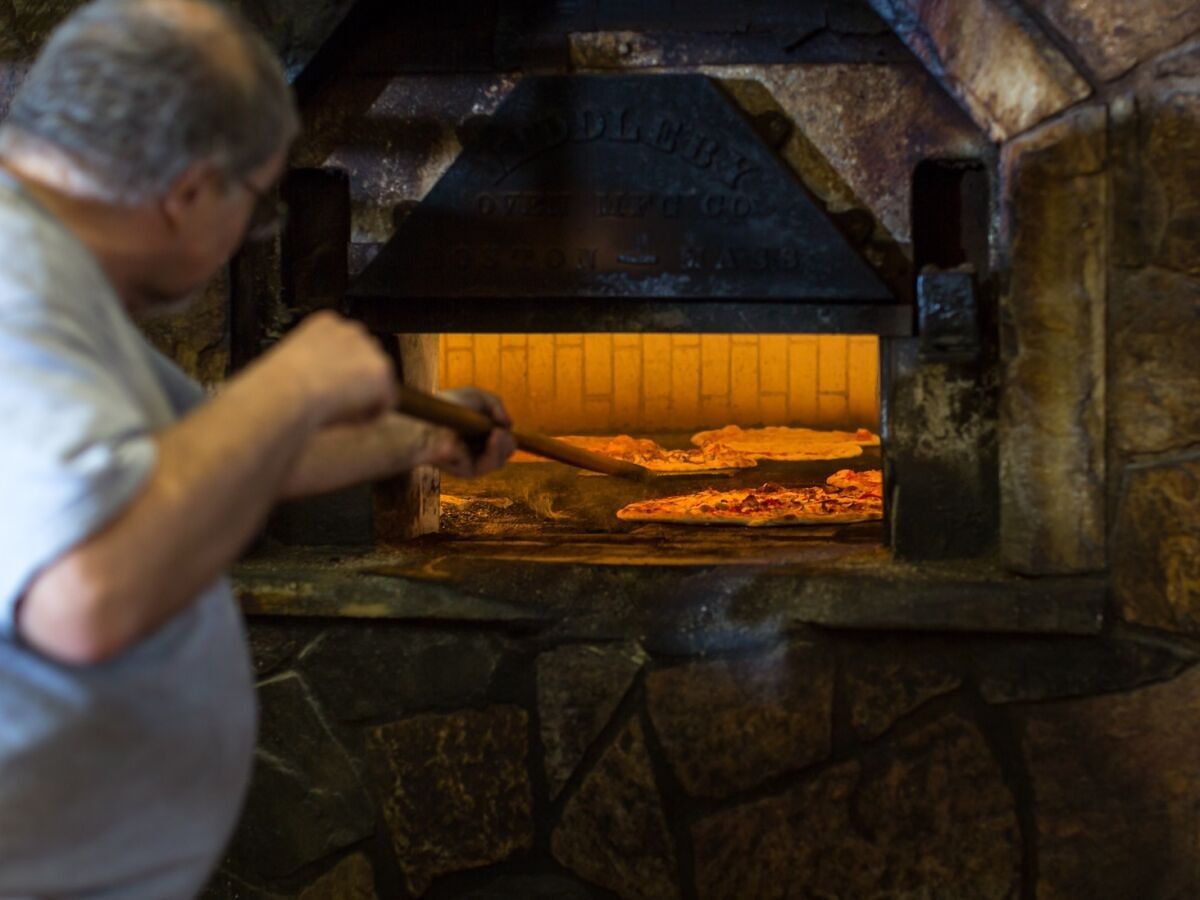
- The Oven: Unlike the gas ovens common in New York or the wood-fired traditions of Naples, traditional New Haven apizza is cooked in coal-fired brick ovens. This method imparts a distinct, smoky flavor and allows for rapid cooking at high temperatures.
- The Shape and Crust: The pies are typically oblong rather than round, featuring a thin crust that is intentionally charred in spots. This “leopard spotting” is not a mistake but a hallmark of the coal-fired process.
- Sauce-Forward Philosophy: While New York slices are often cheese-heavy, New Haven pies are sauce-forward. They feature a lighter layer of mozzarella (or no cheese at all in white pies), allowing the tang of the tomato sauce and the complexity of the charred crust to take center stage.
Key Insight: This approach appeals to those who prioritize flavor complexity over caloric density. It is also naturally friendlier to lactose-intolerant diners, as the cheese plays a supporting role rather than the lead.
The Holy Trinity of Wooster Street
The heart of New Haven’s pizza scene is Wooster Street, a corridor that functions less like a street and more like a pilgrimage site for pizza enthusiasts. Three historic establishments define this landscape.
Frank Pepe Pizzeria Napoletana
Founded in 1925, Frank Pepe’s is the institution that put New Haven on the map. It is credited with popularizing the modern pizza box and maintaining a line of customers that frequently stretches down the block.
- The Experience: The restaurant is dominated by a massive coal-fired oven that spans an entire wall. The staff, many of whom have decades of tenure, treat the craft with religious devotion.
- The Staples:
- Tomato Pie: A study in minimalism—tomato sauce, garlic, olive oil, and a dusting of Pecorino Romano.
- Clam Pie: A white pizza topped with littleneck clams, garlic, oregano, and olive oil. This dish is considered a gateway to New England seafood culture, offering the briny sweetness of clams without the formalities of a seafood restaurant.
Sally’s Apizza
Located just blocks from Pepe’s, Sally’s was founded in 1938 by Salvatore Consiglio, Frank Pepe’s nephew. Despite the familial link, the rivalry is friendly, and the staff insists there is no bad blood.
- The Atmosphere: Smaller and more intimate than Pepe’s, Sally’s walls are adorned with memorabilia from celebrity patrons, including Frank Sinatra, who was a regular after his 1940 debut.
- The Vibe: The focus here is on the traditional coal-fired experience, maintaining the same high-heat, char-heavy style that defines the genre.
Modern Apizza
Opened in 1934, Modern Apizza offers a slight deviation from the strict Pepe/Sally standard. While it retains the signature char, its crust is slightly thicker, and it uses an oil-fired oven rather than coal. This results in a less smoky profile and a pie that feels marginally closer to a New York slice in texture, though it remains distinctly New Haven in its sauce-forward approach.
Beyond Tradition: Innovation and Variety
While the historic trio sets the standard, New Haven’s pizza scene is not static. The city supports a diverse ecosystem of pizzerias that experiment with style and ingredient.
- Zeneli Pizzeria e Cucina Napoletana: This establishment bridges the gap between New Haven and Italy, using wood-fired ovens and buffalo mozzarella. The result is a pizza that retains the thin crust but offers a creamier, less smoky finish.
- Bar New Haven: Representing the modern evolution of the genre, this venue combines a pizzeria, brewery, and nightclub. Here, traditional techniques meet global flavors. A standout example is the Mexican Street Corn Pizza, which features a cracker-thin crust topped with mozzarella, queso fresco, chipotle mayo, corn, and crushed Takis chips. This fusion approach demonstrates that New Haven’s foundational techniques are flexible enough to support bold, contemporary flavor profiles.
Why This Matters: A Shift in Pizza Culture
The rise of New Haven apizza reflects a broader trend in American dining: a move away from uniformity toward regional authenticity and ingredient transparency.
- Craft over Convenience: Unlike the standardized slices of major cities, apizza emphasizes the skill of the pizzaiolo and the quality of the coal.
- Flavor Complexity: The “sauce-forward” model encourages diners to engage with the acidity of tomatoes and the bitterness of char, rather than relying solely on the fat and salt of cheese.
- Community Identity: For New Haven, pizza is not just food; it is a civic identity. The fierce pride locals take in their pies fosters a competitive yet collaborative environment that drives quality upward.
Conclusion
New Haven has successfully carved out a niche that is neither New York nor Naples, but something entirely its own. By prioritizing coal-fired char, sauce complexity, and historical continuity, the city has created a pizza style that is both rigorous and rewarding. For the discerning eater, visiting New Haven is not just about eating pizza; it is about witnessing a culinary tradition that demands respect, rewards curiosity, and ultimately, proves that sometimes the best things come in small, charred packages.