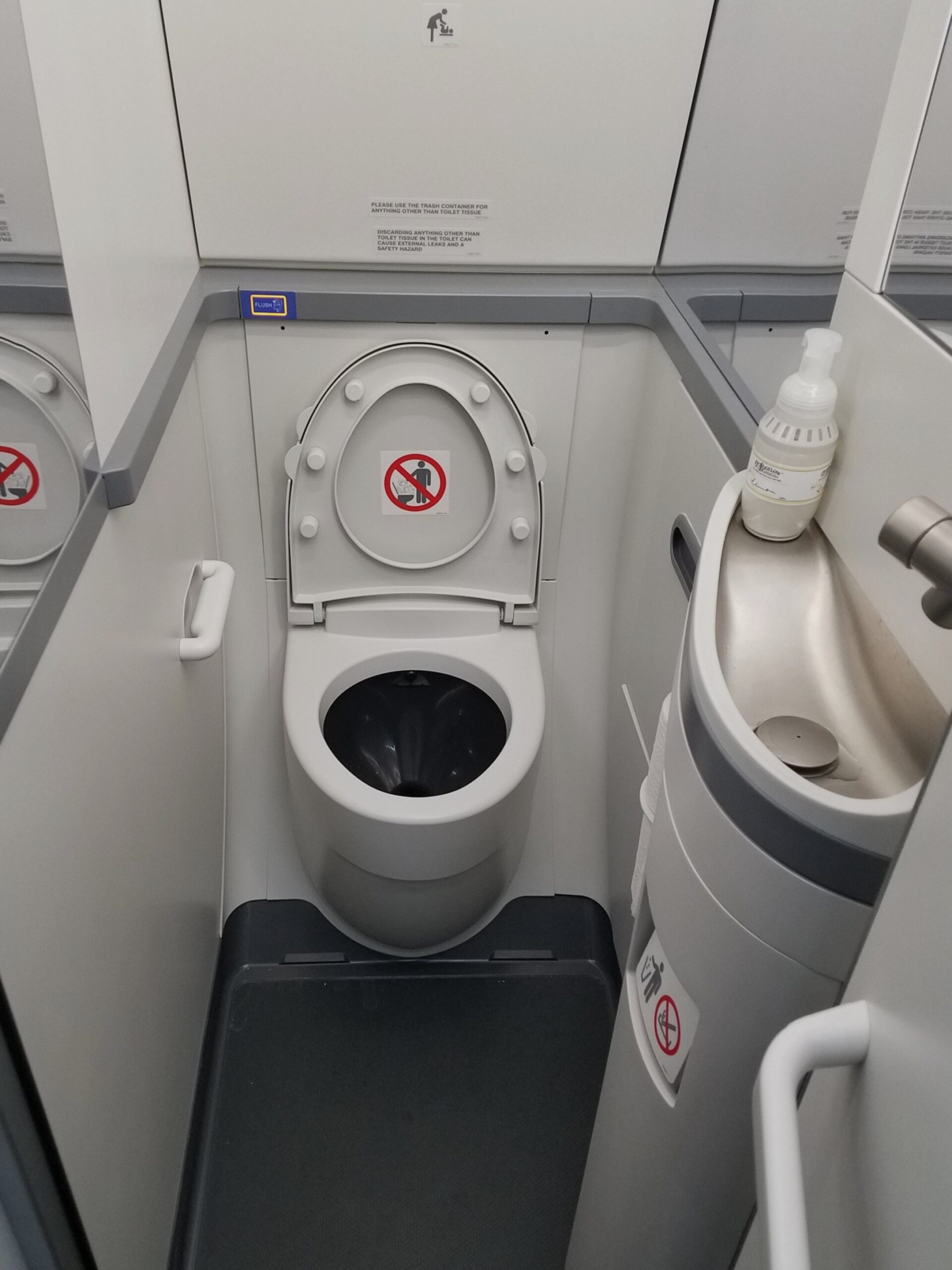
Пасажир рейсу American Airlines був змушений прибирати за іншими мандрівниками у туалеті першого класу, підкреслюючи ширшу практику американських авіаліній. Авіакомпанія надала пасажиру рушники, але не запропонувала жодної допомоги, пояснюючи, що прибирання не є обов’язком бортпровідників. Інцидент ілюструє системну проблему: американські перевізники зазвичай уникають довіряти прибирання туалетів бортпровідникам, тоді як авіакомпанії в інших регіонах часто дотримуються вищих стандартів чистоти.
Економіка брудних туалетів
Цьому сприяє кілька факторів. Авіакомпанії максимізують прибуток, запихаючи більше місць у літаки, зменшуючи простір для туалетів і роблячи їх більш людними. Менші туалети додають безладу, ускладнюючи маневрування пасажирів і спричиняючи частіші викиди сміття. Крім того, заходи щодо скорочення витрат часто призводять до зменшення запасів туалетного паперу, мила та паперових рушників на борту.
Прибирання землі також відіграє важливу роль: авіакомпанії з мінімальним часом прибирання можуть просто делегувати це завдання пасажирам. Маршрути з частими туристичними подорожами, де поведінка пасажирів менш передбачувана, мають більший рівень забруднення туалету.
Колективні договори та правила авіакомпаній
У колективних договорах бортпровідників American Airlines чітко зазначено, що члени льотного екіпажу звільняються від прибирання навіть у центральних містах. Профспілка AFA-CWA захищає своїх членів від завдань, не охоплених їхніми угодами, включаючи ретельну санітарну обробку туалетів. Інші американські авіакомпанії, такі як Southwest, також мають угоди, які виключають очищення біологічних рідин.
Контраст із міжнародними авіаперевізниками різкий. У Японії такі авіакомпанії, як ANA, розглядають чистоту в салоні як основну відповідальність за безпеку та обслуговування, навіть влаштовуючи змагання для підвищення ефективності. Тим часом Emirates на своїх A380 використовує спеціальних помічників бортпровідників для підтримки гігієни в туалетах.
Суть справи
Поточна система в США очікує, що пасажири терпітимуть погіршення умов, а не авіакомпанії, які інвестуватимуть у проактивне прибирання. Це свідома модель обслуговування, яка надає перевагу економії коштів над основним комфортом пасажирів. Як наслідок: брудні туалети – не випадковість; це є прямим наслідком рішення авіакомпаній не підтримувати корисні загальні простори.