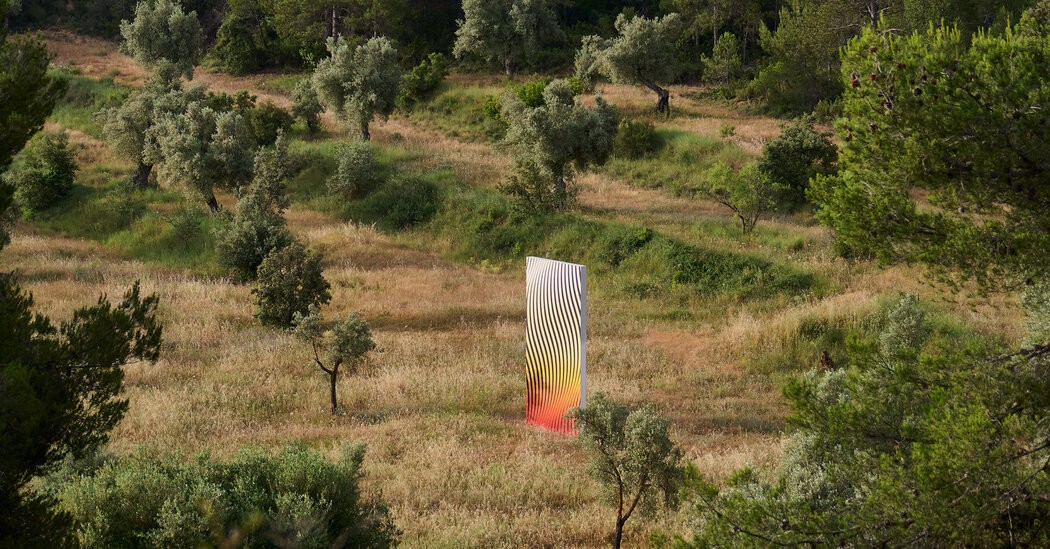
The traditional sculpture garden, dating back to the Renaissance, has evolved into a global phenomenon. While historical precedents include ancient Chinese courtyard gardens and the large-scale outdoor museums like Storm King and Wanas Konst, a new wave of sculpture parks is redefining how art is displayed and experienced. This shift is driven by rising demand for immersive art, amplified by social media, and supported by collectors and curators seeking unconventional landscapes.
Breaking the Traditional Mold
The latest projects move beyond simply placing art in nature – they integrate art with the environment, challenging conventional notions of where art belongs and what it can achieve. Marie Cecile Zinsou, founder of Le Jardin d’Essai in Benin, believes displaying art among native plants fosters a deeper connection to local history. Similarly, Diana Campbell of the Samdani Art Centre in Bangladesh argues that removing art from traditional institutions makes it more accessible. The future of art spaces, she suggests, lies in active participation from artists, communities, and viewers alike.
Le Jardin d’Essai: Art, History, and Ecology
Zinsou’s project in Benin exemplifies this new approach. Originally intended as a yogurt factory, the 14-acre site now hosts Le Jardin d’Essai, an outdoor museum blending art with local flora and fauna. Tunisian artist Aïcha Snoussi’s winding paths guide visitors through palm trees, citrus groves, and sculptures, with workshops for local schoolchildren integrated into the experience.
Zinsou treats the park’s ecosystem as integral to the art itself. Over the past two years, she has funded research to catalog the area’s biodiversity, with these findings informing guided tours that reveal the site’s rich history. Visitors learn about precolonial architecture and the role of palm oil in ending the slave trade. The park also hosts site-specific installations, such as Joël Andrianomearisoa’s “Musée des Promesses,” a 24/7 accessible mud and concrete exhibition space. This work, like the garden itself, questions the relevance of traditional museum institutions in the 21st century.
The growth of these immersive sculpture parks signals a broader trend: art is no longer confined to white-walled galleries. Instead, it is being intentionally placed within natural, cultural, and historical contexts to create richer, more meaningful experiences for visitors.