


The travel and hospitality sectors are currently navigating a period of significant transition. From leadership changes at major carriers to the struggle to convert digital data into meaningful customer experiences, the industry is grappling with both structural shifts and economic pressures.
✈️ Leadership and Operational Shifts in Aviation
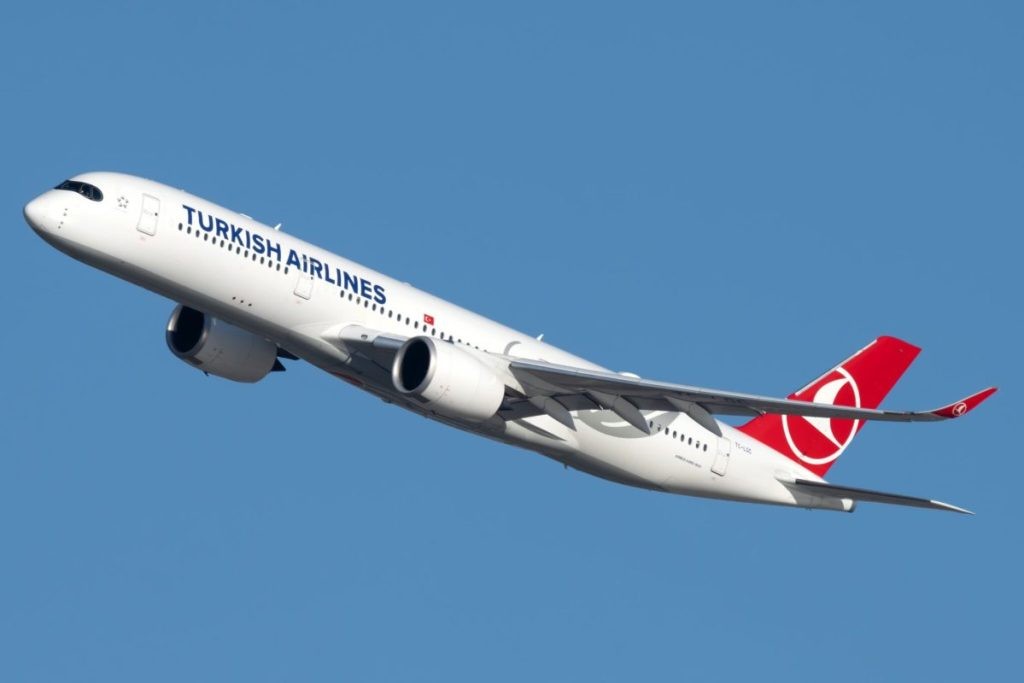
Turkish Airlines has announced a major restructuring of its top leadership, appointing a new Chairman and CEO. This executive shakeup comes at a critical time as the airline seeks to maintain its competitive edge in an increasingly crowded global market.
Beyond leadership, airlines are also adjusting how they manage rising operational costs. As fuel prices remain volatile, many carriers are increasingly passing these expenses directly to passengers through:
– Fuel surcharges
– Increased baggage fees
These cost-shifting measures reflect a broader trend where airlines prioritize protecting margins against unpredictable energy markets, often at the expense of the traveler’s wallet.
🏨 The Personalization Paradox: Data vs. Experience
While the travel industry has long discussed the importance of “personalization,” there remains a significant gap between technological ambition and actual execution.
The industry is currently facing a data integration challenge. While companies collect vast amounts of traveler information, they often lack the unified, trusted data structures required to turn that information into genuine recognition. For travelers, this means that despite “knowing” their preferences, many brands still fail to provide relevant or seamless experiences. Closing this gap is essential for building long-term loyalty in a highly competitive landscape.
In the hotel sector, Hyatt is exploring new ways to deepen its footprint in the Indian market. Rather than simply importing a Western model, the company is considering a strategy rooted in local identity—potentially through the creation of a new brand or the acquisition of an existing local player. This move highlights a growing trend where global giants recognize that localized branding is key to capturing emerging markets.
📉 Economic Realities: The Tax Refund Shortfall
There was high optimism earlier this year regarding the impact of travel tax refunds, with projections suggesting they would inject $5 billion into global travel spending. However, current data shows that refunds are tracking well below these expectations.
This shortfall is significant because tax refunds act as a “stimulus” for discretionary spending. When these funds do not reach travelers as expected, it can dampen overall travel consumption and reduce the anticipated boost to the sector’s economic health.
Summary:


