Travelers flying into San Francisco International Airport (SFO) should prepare for significant disruptions this summer. The Federal Aviation Administration (FAA) has implemented a strict cap on incoming flights, reducing arrival capacity by one-third to just 36 flights per hour.
This reduction is driven by a combination of essential runway construction and critical safety concerns regarding how aircraft approach the airport’s parallel runways.
The Root of the Problem: Runway Proximity
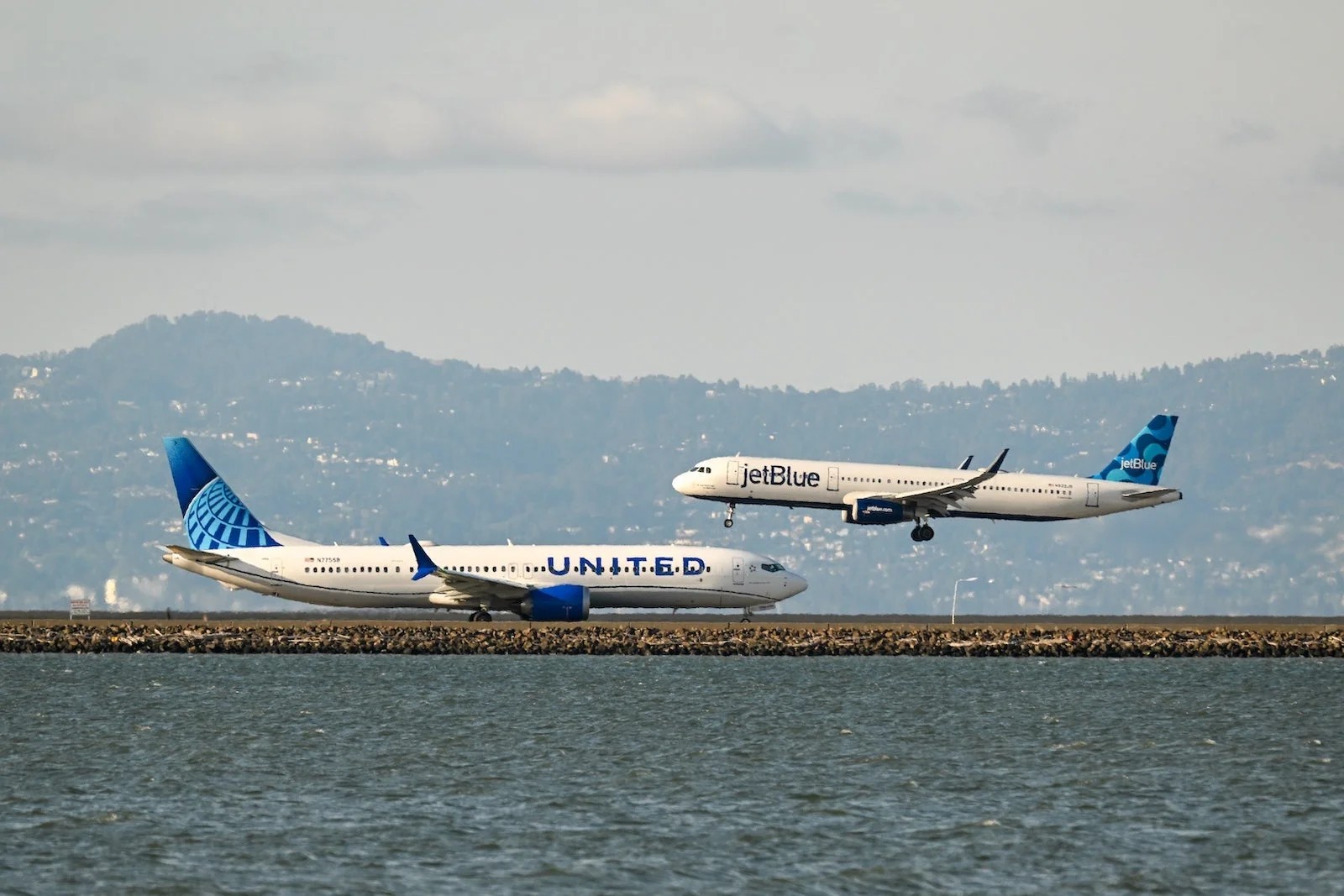
The primary technical challenge at SFO lies in its unique layout. The airport features two sets of parallel runways—one east-west and one north-south—that are situated only 750 feet apart.
In the aviation industry, this is an exceptionally tight margin. For context, the FAA typically requires much greater separation for simultaneous approaches. To manage this safely, SFO previously relied on a “staggered” approach system, where aircraft approached the east-west runways one after another rather than side-by-side. This method allowed for a maximum of 54 arrivals per hour.
However, current construction on the north-south runways has complicated these maneuvers, forcing the FAA to slash capacity to ensure safe separation between aircraft.
Impact on Travelers and Airlines
The immediate consequence of these restrictions is a noticeable increase in delays. An airport spokesperson has warned that:
– 25% of all flights to SFO this summer are expected to face delays of 30 minutes or longer.
– Real-time data already reflects this struggle; on a recent Wednesday, over 150 arrivals (roughly a quarter of all flights) were delayed.
The limitations also create a strategic headache for major carriers. SFO serves as a primary hub for United Airlines and a key base for Alaska Airlines. Both airlines have stated they are monitoring the situation closely, with United currently reviewing whether these restrictions will necessitate long-term changes to their flight schedules.
A Growing Trend of FAA Capacity Caps
The restrictions at SFO are not an isolated incident. They are part of a broader trend where the FAA is proactively limiting airport capacity to prioritize safety and manage congestion. Recent examples include:
– Chicago O’Hare (ORD): Flight limits were reduced to mitigate intense competition for gate space between major carriers.
- Newark Liberty (EWR): Movement limits were placed through October 2025.
While the FAA has been quick to restrict traffic to prevent accidents—especially following recent high-profile runway incidents at other major airports—the agency has been less clear about how it will expand capacity to meet the surging demand for air travel. While the federal government is investing billions into upgrading air traffic control systems, the timeline and specific capacity benefits of these investments remain uncertain.
Looking Ahead
There is a potential long-term benefit to these constraints. Aviation experts suggest that if the airport’s capacity remains limited regardless of weather, airlines may be forced to build more resilient, realistic schedules that are less prone to the massive “ripple effect” delays often caused by San Francisco’s notorious fog.
The capacity cap is expected to rise to 45 flights per hour in October once the runway construction is complete, though this will still fall short of the pre-construction peak of 54 flights per hour.
Summary: Due to a combination of runway construction and the inherent safety risks of SFO’s closely spaced parallel runways, the FAA has significantly limited incoming flight capacity, leading to widespread summer delays and forcing major airlines to re-evaluate their schedules.