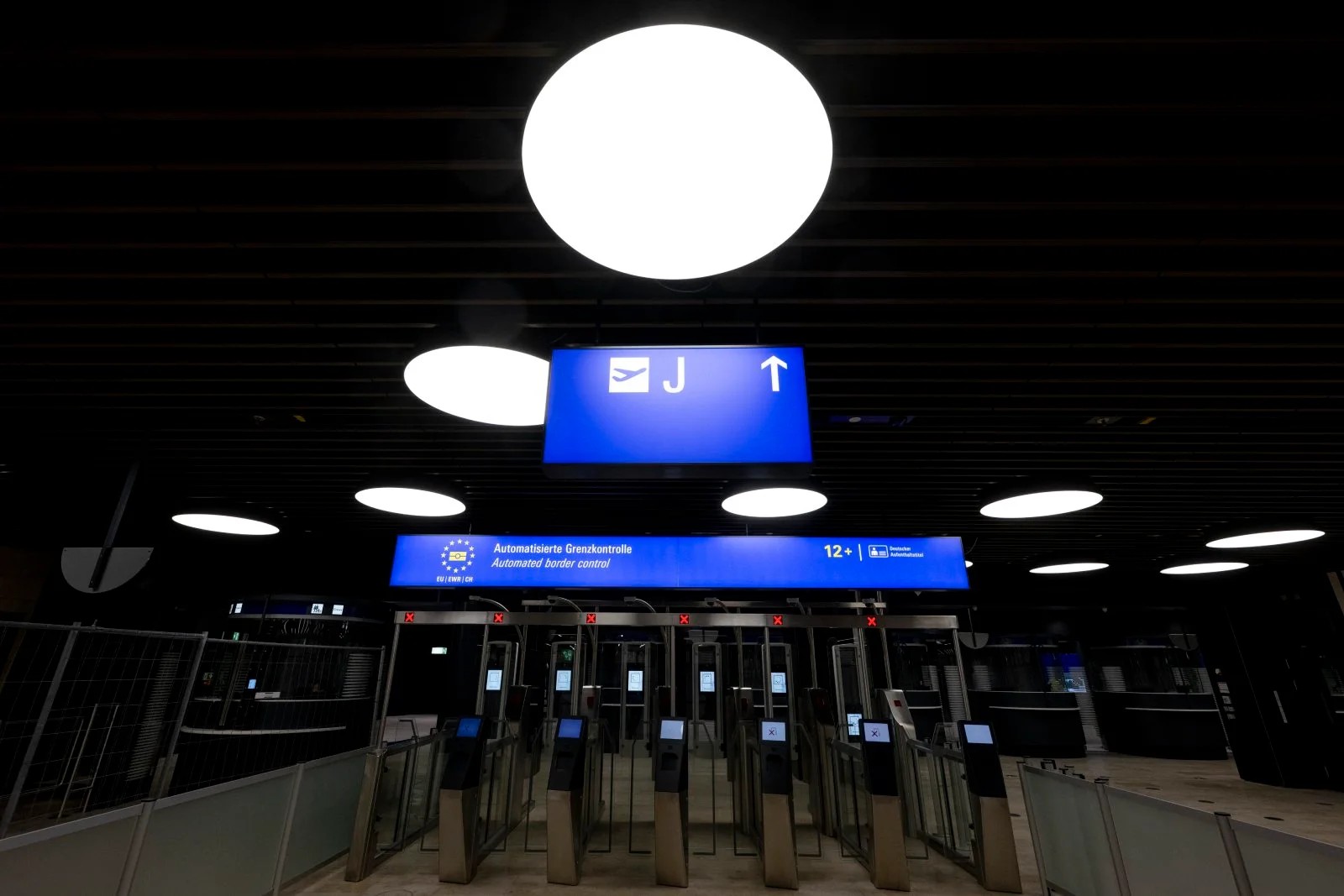
As of April 10, the European Union has officially transitioned to a new digital border management framework known as the Entry/Exit System (EES). This system marks a significant shift from traditional manual processes to a biometric-driven digital model, fundamentally changing how non-EU citizens enter and depart from much of the continent.
The End of the Passport Stamp
The most visible change for travelers is the disappearance of the physical ink stamp in passports. Instead of manual stamping, the EES uses biometric data to track the movements of non-EU nationals—including U.S. citizens—staying in the Schengen Area for up to 90 days within any 180-day period.
By digitizing these records, the EU aims to improve border security and more accurately monitor overstays. However, this transition from paper to digital often comes with initial logistical friction.
How the System Works
The EES relies on the collection of digital identifiers to create a seamless record of travel. Here is the breakdown of the process:
- Initial Enrollment: Upon your first arrival, passport control officers will collect your facial image, fingerprints, and passport details.
- Subsequent Travels: Once your data is in the system, future entries and exits will only require verification, rather than a full re-enrollment.
- Self-Service Options: Travelers with biometric passports (identifiable by the gold camera icon on the cover) may be able to use automated self-service kiosks at certain border crossings.
- Mandatory Participation: Providing biometric data is not optional; refusal to comply will result in denied entry.
- Exemptions: Children under the age of 12 are currently exempt from fingerprint scanning. Additionally, citizens holding dual nationality with an EU member state or a Schengen Area member (Iceland, Liechtenstein, Norway, or Switzerland) do not need to use the EES.
Preparing for Potential Delays
While the long-term goal of the EES is to streamline immigration, the “rollout phase” often brings technical hiccups and increased wait times. Early reports from travelers suggest that airport queues for both entry and departure may be significantly longer than usual as authorities calibrate the new technology.
Traveler Tips for a Smoother Experience:
– Arrive Early: Give yourself extra time at the airport for departure to account for potentially slow exit immigration lines.
– Strategic Seating: On arrival flights, try to select a seat near the front of the aircraft to reach the immigration checkpoints more quickly.
– Use Digital Tools: While there is no universal pre-registration, some countries allow for early preparation via the Travel to Europe mobile app. For example, travelers heading to Sweden can upload passport data and facial images in advance, while those heading to Portugal can complete entry questionnaires up to 72 hours before arrival.
Coverage: Which Countries are Involved?
The EES is currently active in 29 European countries, including major hubs such as France, Germany, Italy, Spain, and Greece, as well as non-EU members like Norway, Switzerland, and Iceland.
Note: While Cyprus and Ireland are members of the EU, they are not part of the EES rollout and will continue to use manual passport stamping.
The full list of participating countries includes:
Austria, Belgium, Bulgaria, Croatia, Czech Republic, Denmark, Estonia, Finland, France, Germany, Greece, Hungary, Iceland, Italy, Latvia, Liechtenstein, Lithuania, Luxembourg, Malta, Netherlands, Norway, Poland, Portugal, Romania, Slovakia, Slovenia, Spain, Sweden, and Switzerland.
Looking Ahead: ETIAS
The implementation of the EES is a precursor to another major change. Starting in late 2026, travelers (including U.S. citizens) will also need to obtain an ETIAS (European Travel Information and Authorisation System) permit. This authorization will carry a fee of approximately €20 (about $23) and will serve as a pre-travel security screening.
Conclusion
The EES represents a major step toward a high-tech, digital European border, replacing manual stamps with biometric tracking. While it promises long-term efficiency and better security, travelers should prepare for temporary delays and increased scrutiny during this transitional period.