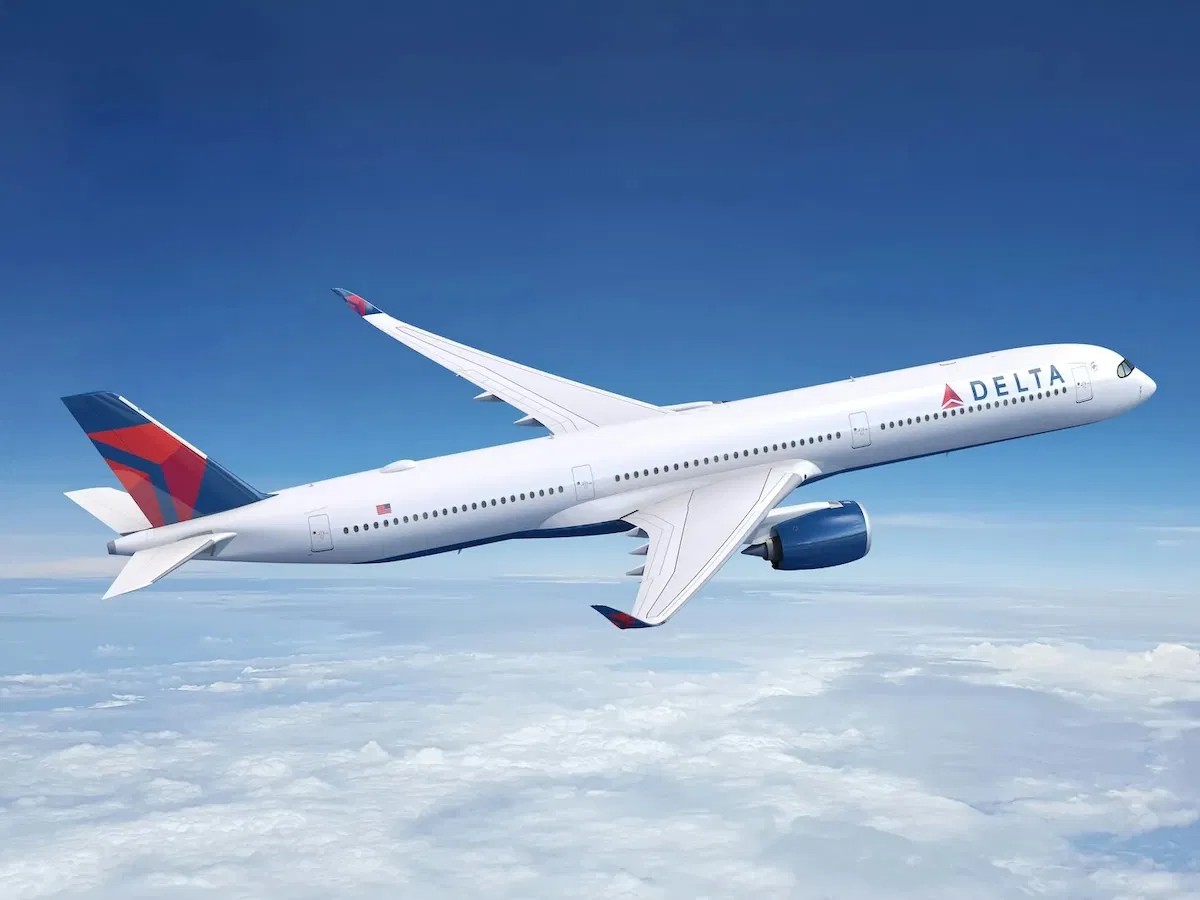
Delta Air Lines is preparing to add the Airbus A350-1000 to its fleet starting in 2027, marking the first time a US carrier has committed to this particular model. The move signals a shift in Delta’s long-haul strategy, with the airline aiming to expand service to new, ultra-long-distance markets. Here’s what travelers can anticipate.
Expanding Long-Haul Capabilities
In early 2024, Delta finalized an order for 20 A350-1000 aircraft, with potential for 20 more. The airline expects to receive all 20 planes by 2029, though delivery delays are common in the industry. The A350-1000 is known for its range, efficiency, and passenger comfort.
Why this matters: Delta’s investment in the A350-1000 demonstrates a commitment to competing more aggressively in the international market. The aircraft’s capabilities allow it to serve routes that were previously impractical or reliant on connections.
Premium Cabin Configuration
Delta plans to configure its A350-1000s with a focus on premium seating. The airline will introduce new Delta One Suites, potentially utilizing the Thompson Aero VantageNOVA product. This layout is expected to include around 53 business class seats.
While the exact configuration remains unconfirmed, industry trends suggest a focus on maximizing revenue per passenger rather than prioritizing spaciousness.
What to expect: Enhanced privacy and comfort in business class, but with a space-efficient design that optimizes seat count. Expect technological upgrades, such as advanced entertainment systems and improved connectivity, rather than radical innovations in seat layout.
New Routes and Strategic Shifts
Delta is signaling a shift away from its traditional reliance on joint venture hubs, such as London, Paris, and Amsterdam. The airline is planning to launch non-stop service to key destinations, including Hong Kong, Delhi, and Singapore.
Context: For years, Delta’s long-haul strategy was heavily focused on serving joint venture hubs with guaranteed profitability. The new A350-1000 fleet allows the airline to expand its reach into markets where profitability relies on government subsidies or high demand.
Competition and Market Dynamics
Delta’s wide-body fleet expansion puts it in direct competition with United Airlines, which has a larger international order book. American Airlines lags behind in terms of long-haul investments.
Why this matters: The race to expand international service is driven by both market demand and strategic positioning. Delta’s move is an attempt to catch up with United’s established presence in key global markets.
Awaiting Final Details
The first A350-1000 is expected to enter service in early 2027. Delta has yet to formally unveil the full details of its new fleet, but industry observers anticipate a premium configuration tailored for ultra-long-haul routes.
In conclusion: Delta’s investment in the A350-1000 signals a bold move toward expanding its international footprint. Passengers can anticipate enhanced comfort and new non-stop routes to key destinations, as the airline aims to become a more competitive force in the global long-haul market.