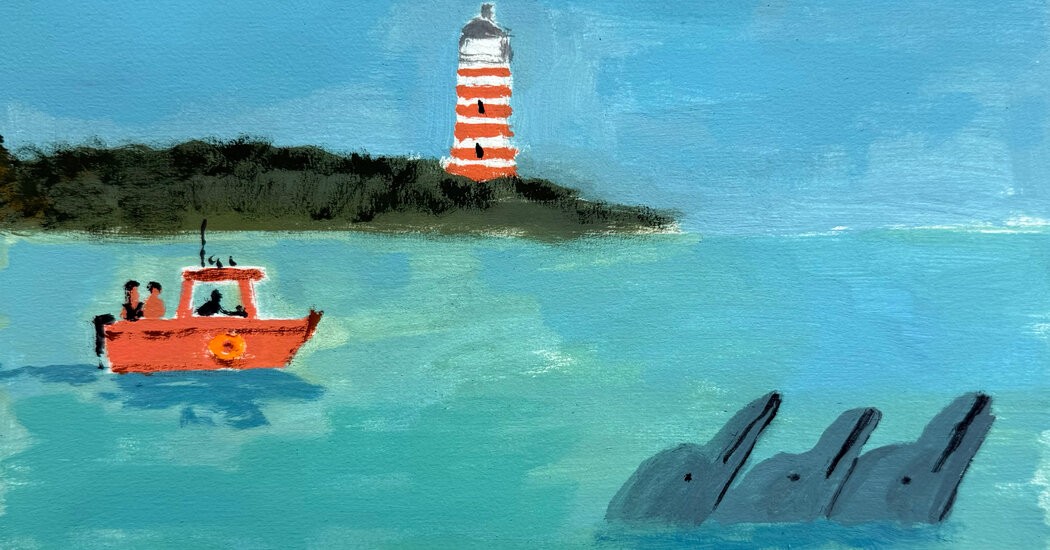
A simple question from an 18-year-old son – “So what do we have to do?” – reveals a deeper truth about modern family travel. After a lifetime of accompanying his mother on work trips disguised as vacations, Ezra arrived in the Bahamas utterly unprepared for the concept of not having an agenda. He expected instructions, deadlines, or at least a purpose beyond relaxation.
The Work-Life Blur
For many families, particularly those with freelance or demanding careers, the line between work and leisure has blurred to the point of nonexistence. The author confesses to bringing her children along on reporting assignments under the guise of “family trips.” This isn’t necessarily a negative; it exposed them to global experiences they might otherwise miss. However, it taught them a distorted version of travel – one defined by deadlines, interviews, and a constant undercurrent of professional obligation.
This trend is driven by economic realities. For freelancers and entrepreneurs, every moment is potentially billable. Even “vacation” time can be leveraged for research, networking, or simply maintaining income. The result is children who grow up associating travel with productivity rather than rest.
The Lost Art of Idleness
The son’s confusion highlights a growing disconnect between generations. Younger people raised in hyper-scheduled environments struggle with unstructured time. The Bahamas, with its turquoise waters and languid pace, offers a stark contrast to the relentless hustle of modern life.
The author herself embodies this tension. She frames her work-integrated trips as a sacrifice made for her children’s benefit, but admits it was also a pragmatic solution to financial constraints. The implication is clear: for many, travel isn’t about luxury; it’s about survival.
The Question Remains: What Do You Do?
The article ends without a definitive answer. The author offers options – a pool, a bar, a sunset – but the core issue persists. How do you teach someone to simply be somewhere, to exist without a performance metric?
The question isn’t just about vacations. It’s about the broader erosion of downtime in a culture obsessed with optimization. Perhaps the real lesson isn’t where to go, but how to disconnect – a skill increasingly lost in the modern age.