


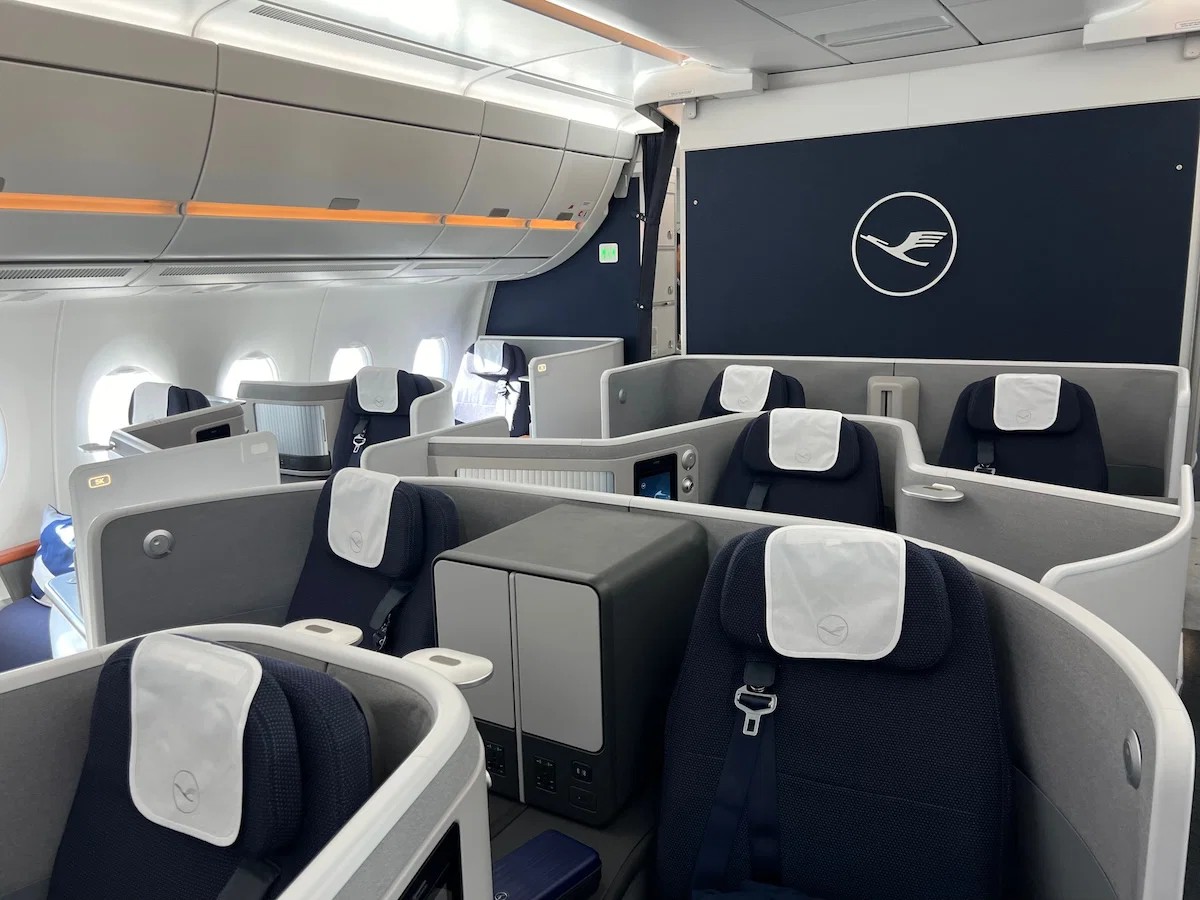
Lufthansa is implementing a controversial new policy that effectively undermines the primary benefit of its most expensive airfares: flexibility. In select global markets, the airline has begun charging substantial fees to refund “flexible” tickets, a move that contradicts the standard industry definition of premium fare classes.
The New Fee Structure
Traditionally, airlines offer tiered pricing where higher fares grant the traveler the ability to cancel a flight and receive a full refund to their original payment method. Lufthansa’s new policy disrupts this model by imposing heavy “co-pays” for cash refunds, even on tickets explicitly marketed as flexible.
The fees vary based on the class of service:
- Economy: €400 fee
- Premium Economy: €700 fee
- Business Class: €1,000 fee
- First Class: €1,500 fee
Targeted Regions and Market Strategy
This policy is not yet a global standard; it is currently being rolled out in specific regions. The fees apply to flights traveling to and from South Africa, Mauritius, and the Seychelles, as well as the Asia-Pacific region (with the notable exceptions of China, Japan, Malaysia, and Singapore).
The choice of these specific markets is telling. These regions are largely outside of major airline joint ventures, providing Lufthansa with a “test lab” to observe consumer reactions without the immediate pressure of intense competition from alliance partners. If the policy proves profitable or fails to drive customers toward competitors, it may be expanded to other global routes.
Why This Matters: The Erosion of Consumer Value
This shift raises significant questions about the future of airline loyalty and the value proposition of premium travel.
1. The Deterrent for Corporate Travel
Business travelers and corporations often pay a premium for flexibility to mitigate the risk of last-minute schedule changes. By attaching a massive penalty to refunds, Lufthansa may inadvertently discourage corporate clients from booking their fleets with the airline, as the “flexibility” they are paying for becomes a financial liability rather than a benefit.
2. A Shift in the “Insurance” Model
Higher-tier fares essentially act as a form of travel insurance. In a standard model, the most expensive ticket offers the most protection (zero cancellation fees). Lufthansa is shifting this logic: instead of offering total flexibility, they are offering “discounted” cancellation fees. This rebrands the product from a fully flexible fare to a partially refundable fare, which could confuse passengers and lead to unexpected financial losses.
3. Addressing “Seat Holding”
One potential driver for this change is the industry-wide issue of travelers booking refundable tickets to “hold” seats—securing a price or a spot on a flight with the intention of canceling later. By imposing high fees, Lufthansa may be attempting to curb this behavior and ensure that only travelers with genuine intent occupy their premium inventory.
The fundamental question remains: will travelers continue to pay top-tier prices for a product that no longer delivers its core promise of unrestricted flexibility?
Conclusion
Lufthansa’s decision to charge up to €1,500 for refunds on “flexible” tickets marks a significant departure from traditional airline pricing models. As the airline tests this strategy in select markets, the industry will be watching closely to see if this move prioritizes short-term revenue at the expense of long-term customer trust and premium market share.


