


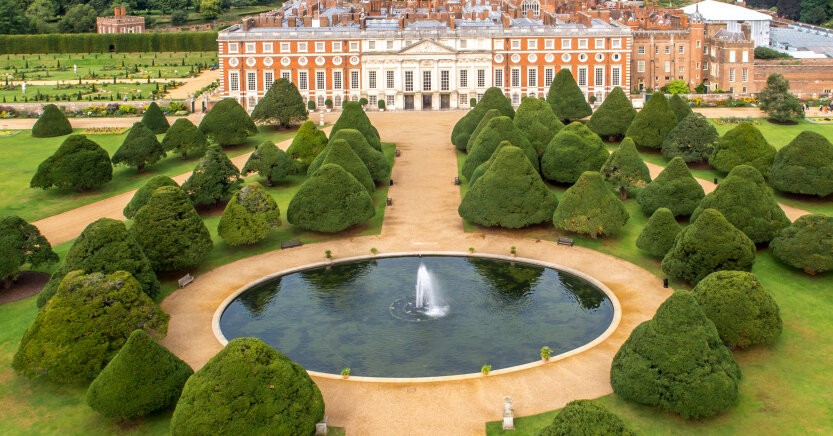
London is renowned for its green spaces, offering a surprising variety of gardens beyond the famous Royal Parks. From meticulously maintained landscapes to wilder, romantic corners, the city provides a rich horticultural experience. This includes access to lesser-known gardens and even private oases not typically open to the public.
A History Rooted in Exploration and Necessity
London’s garden history is as diverse as the plants cultivated within it. The Garden Museum, housed in a deconsecrated Victorian church near Westminster, showcases this legacy with 19th and 20th-century garden blueprints and antique tools. These tools, such as blown-glass tubes for growing straight cucumbers, highlight the precision with which gardening was approached.
The museum also details how gardens adapted during wartime, when food production became a necessity. Displays celebrate Black botanists and early plant-hunters who brought species like tulips from the Ottoman Empire and sunflowers from Central America to Britain. This underscores how British gardens were shaped by global exchange.
Pioneers and Their Legacy
Notable figures like John Tradescant, a 17th-century plant collector, and Capt. William Bligh of the H.M.S. Bounty have left their mark on London’s horticultural landscape. Tradescant’s tomb, surrounded by non-native plants like bamboo and Mexican dahlias, serves as a testament to his collecting efforts. Bligh, known for transporting breadfruit trees from Tahiti, represents the imperial-era plant trade.
These gardens aren’t just aesthetic spaces; they’re historical records of exploration, adaptation, and the global flow of plant life.
London’s gardens reveal how cultivation has always been intertwined with necessity, scientific curiosity, and the pursuit of beauty. They stand as a reminder that even in a bustling metropolis, nature’s influence remains profound.


