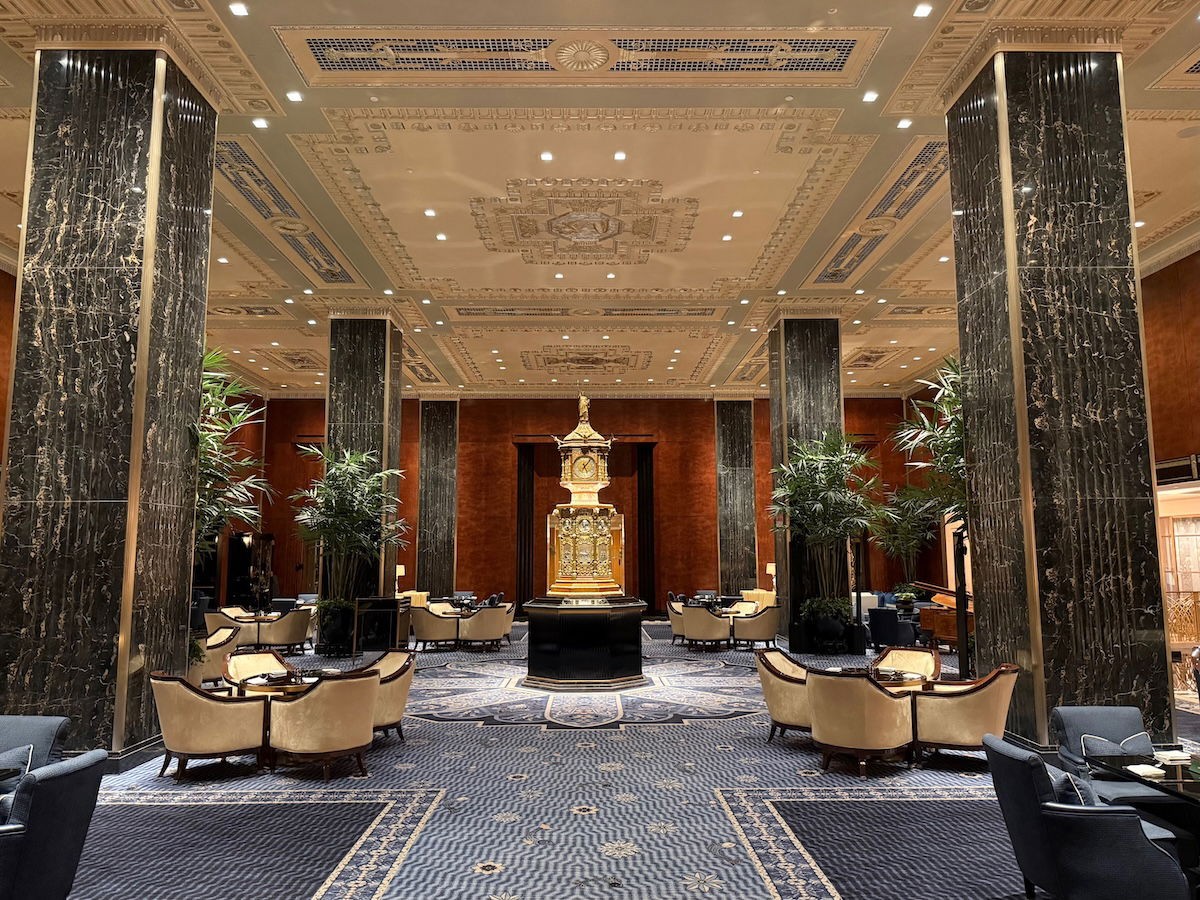
China’s state-owned firms are preparing to sell the iconic Waldorf Astoria New York, almost certainly at a substantial loss, just after completing a massively over-budget renovation. The move signals a broader trend of Chinese divestment from US real estate, driven by rising political tensions and financial realities.
The Waldorf’s Troubled History
In 2014, Anbang Insurance Group, later seized by the Chinese government, acquired the Waldorf Astoria for a record-breaking $1.95 billion. The subsequent eight-year renovation—five years behind schedule and over $1 billion over budget—transformed the hotel from a 1,400-room property into a mixed-use development with 375 rooms and 372 luxury condominiums. This conversion ranks among the most complex and expensive real estate projects in history. The sale will include commercial spaces, while condos will be sold separately.
Why Now? Political and Financial Pressures
The decision to sell reflects a changing strategic outlook. At one time, Chinese investment in US properties was seen as prestigious, but deteriorating relations between Washington and Beijing, coupled with the project’s financial strain, have reversed that calculus. The sale is part of a larger exodus of Chinese assets from the US market. Potential buyers are limited due to the high price tag, with sovereign wealth funds like Qatar—which already owns the St. Regis and Plaza hotels—being likely candidates.
Hilton’s Role and Future Implications
Despite the ownership change, Hilton retains a 100-year management contract for the Waldorf Astoria, ensuring brand continuity. The core financial issue isn’t branding, but rather recouping the staggering development costs in a competitive market. Whether the sale impacts guests remains uncertain, though a long-term owner committed to investment is crucial for maintaining the property’s quality. A lack of sustained investment could quickly degrade the Waldorf’s luxury standards.
The sale of the Waldorf Astoria is not just a real estate transaction; it’s a marker of broader geopolitical shifts and financial pragmatism. China is unlikely to continue indefinitely pouring money into a property that may not align with its long-term strategic interests. This divestment underscores a growing trend, and the final sale price will be closely watched as a signal of future moves.