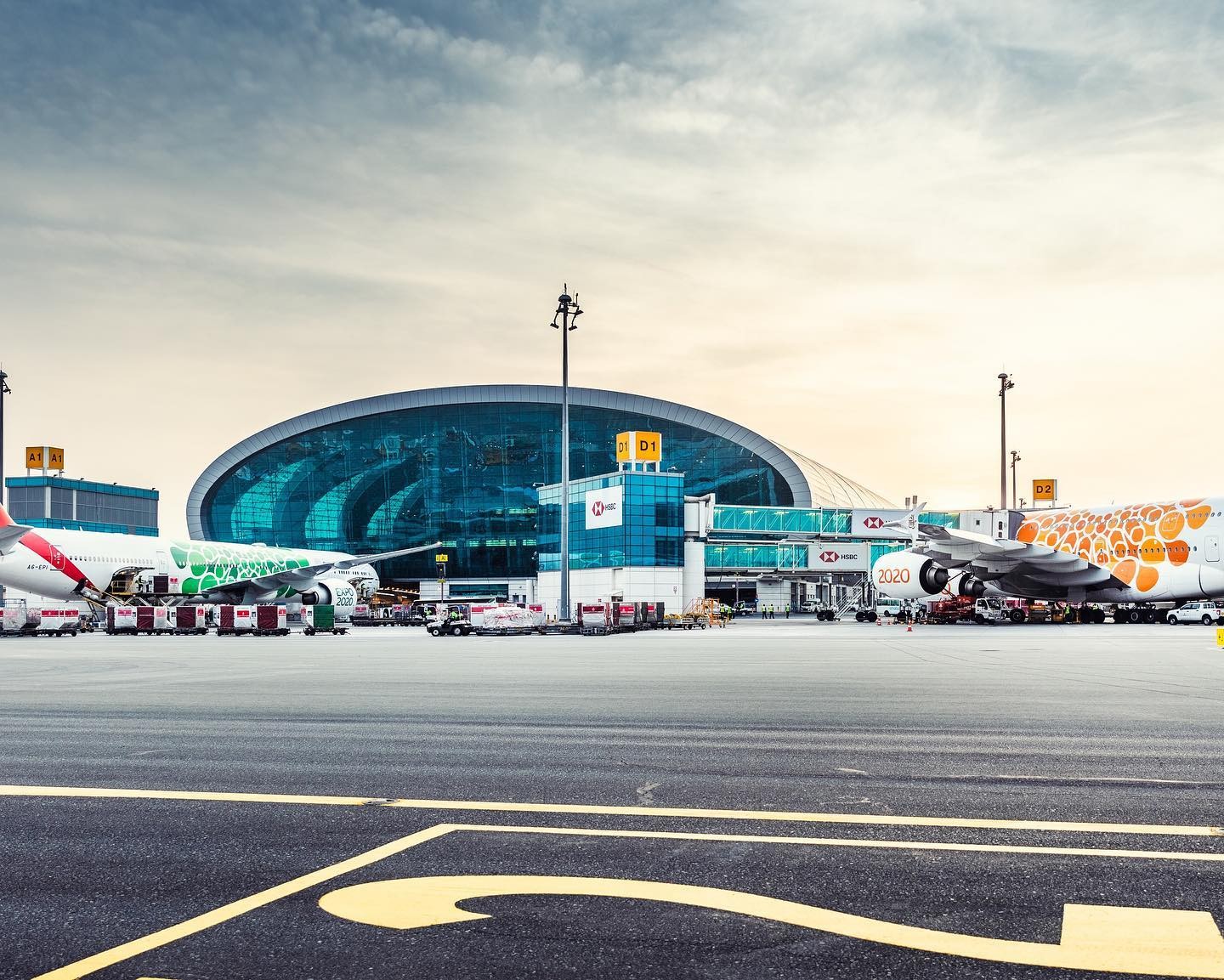
Flights to and from Dubai International Airport were temporarily suspended on [Date] after an attack by Iran. Operations resumed within hours, though some flights were diverted to Al Maktoum International Airport during the disruption.
This marks the latest in a series of attacks by Iran targeting civilian infrastructure in neighboring Arab states. While initially unconfirmed, Iran later issued a statement indicating it would halt further attacks unless provoked by direct aggression from those countries. This admission suggests a reassessment of Iran’s strategy, which previously aimed to pressure the United States by destabilizing regional economies and forcing concessions.
The shift in tone is significant. For months, these attacks—explicitly targeting civilian hubs like Dubai airport—have been conducted not as collateral damage, but as a deliberate policy. The goal was to leverage economic disruption into political pressure, though this approach now appears to be backfiring. The attacks have instead increased the likelihood of a unified regional response against Iran.
Why this matters: Iran’s attacks on civilian targets were a gamble. The regime believed that by escalating tensions without causing major casualties, it could force the U.S. to de-escalate. Now, Tehran appears to recognize that this strategy was unsustainable and counterproductive. The abrupt change signals a potential willingness to de-escalate, but also a tacit acknowledgment of its failure to achieve its initial objectives through force.
This situation raises questions about whether Iran will maintain this new stance, and how regional powers will respond. The incident underscores the fragility of stability in the Middle East and the risks associated with escalating conflicts.
By halting further attacks unless provoked, Iran may be seeking to buy time or recalibrate its strategy. However, the long-term implications for regional stability remain uncertain.