For three weeks, U.S. airports have faced crippling security delays during the ongoing partial government shutdown. At some locations, wait times have soared past three hours as TSA screeners call out sick due to unpaid work. While the administration promises retroactive pay on Monday, the lack of funding has created a breakdown in normal operations. The situation has forced travelers to endure extreme delays, while also triggering an unexpected series of grassroots adaptations.
The Houston Experiment: Booze and Camaraderie
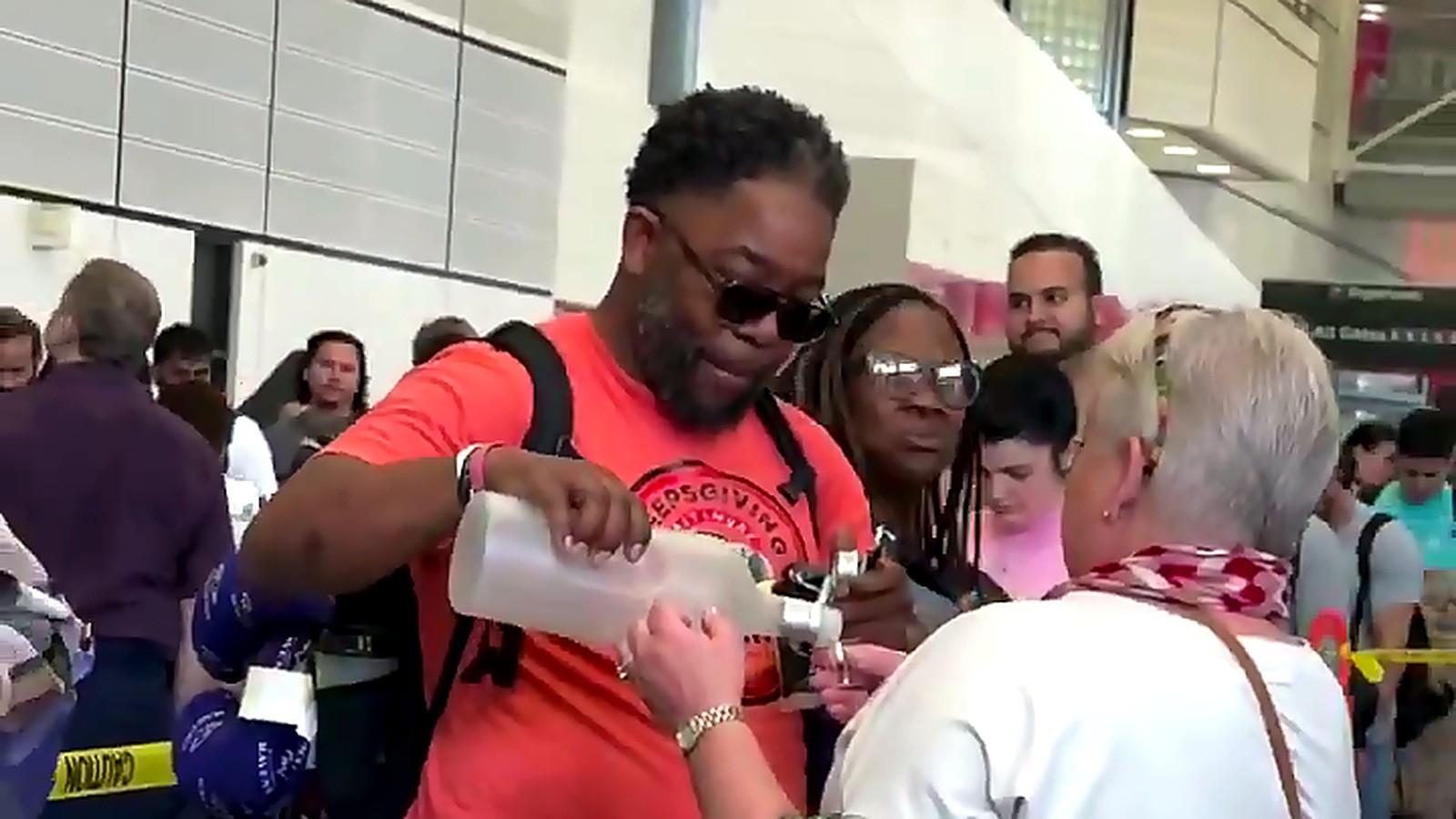
On Thursday, at Houston Intercontinental Airport, one passenger took matters into his own hands. Facing a four-hour TSA queue and limited checkpoint access, a man began distributing shots of vodka from a large bottle to those waiting in line. The gesture wasn’t just about easing the misery; it was also a pragmatic move to avoid confiscation, as TSA limits carry-on alcohol to 3.4 oz.
This act of impromptu generosity sparked an unusual sense of solidarity among stranded travelers. Strangers, forced together by hours of delay, formed temporary communities with emergent norms. The scene resembled a miniature, chaotic Burning Man, blending gift-giving with a makeshift gray market.
The Rise of Micro-Economies
The shutdown has revealed a surprising degree of order amidst the chaos. Line-sitters emerged, offering to hold spots for a fee, while passengers donated water, snacks, and even gift cards to overworked TSA agents. In Atlanta, a violinist provided entertainment. These spontaneous acts demonstrate how people adapt when systems fail.
The question is whether this improvised resilience will hold if the shutdown continues. While norms haven’t broken down entirely, the situation underscores the fragility of infrastructure when basic funding is withheld.
The emergence of these micro-communities highlights a simple truth: even under duress, people will find ways to cope, help one another, and sometimes even make the best of the worst situations. The airport shutdown isn’t just a logistical failure; it’s a social experiment unfolding in real time.