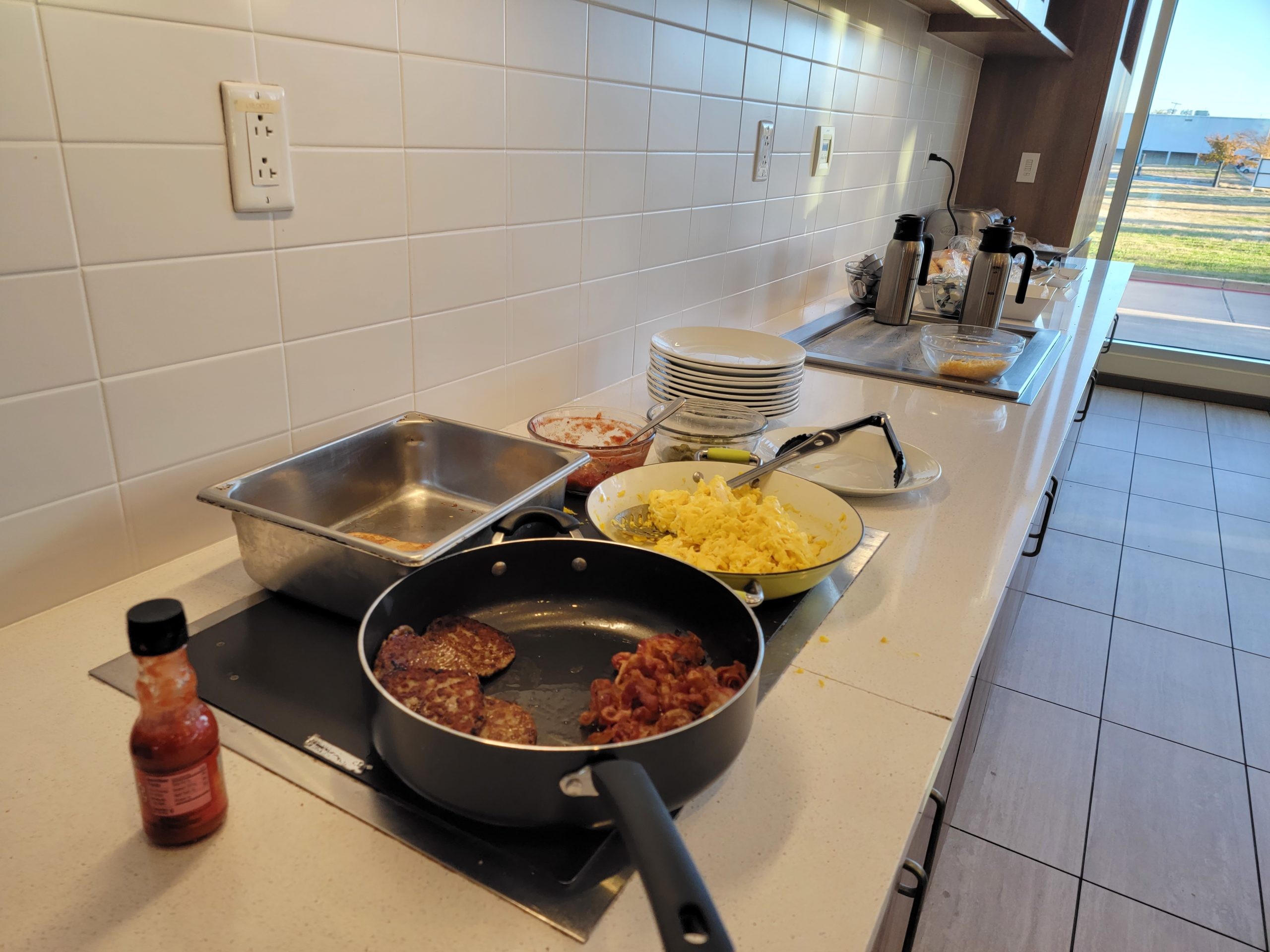
Many hotels, particularly in the limited-service sector like Hampton Inn, Best Western, and Holiday Inn Express, offer complimentary breakfast as a standard amenity. Surprisingly, these establishments rarely verify whether individuals consuming the breakfast are actual guests.
The Lack of Verification
Observations suggest that simply appearing to belong – dressing the part, behaving confidently in the lobby – is often sufficient to gain access. A traveler recently reported walking into an Element hotel next to an Aloft (both Marriott brands) and freely enjoying breakfast despite not being a registered guest. This highlights a systemic lack of oversight.
Social Media Confirmation
The practice isn’t isolated. TikTok videos demonstrate how easily individuals can exploit this system, with one user explicitly detailing how accessible free hotel breakfasts are, even without a reservation. The video has garnered millions of views, suggesting the trend is widespread.
Why It Works: The Illusion of Belonging
The effectiveness hinges on fitting the hotel’s demographic. Middle-aged business travelers, or anyone who presents as a typical hotel guest, are unlikely to raise suspicion. However, individuals who stand out or appear unfamiliar may face scrutiny. This creates a strange paradox where those least in need of a free meal are most likely to obtain it.
Limited Enforcement & Loyalty Programs
Some brands, like Hyatt Places, have attempted to restrict breakfast access to loyalty program members or direct bookings. However, enforcement remains lax. Despite shifting eligibility rules, hotels often fail to verify claims, allowing the practice to continue.
This casual acceptance of non-guests taking advantage of free breakfast raises questions about hotel security and operational oversight. It’s a low-stakes loophole that persists due to its simplicity and minimal enforcement.