The travel industry is undergoing rapid change, from new tech frameworks to major investment shifts. Here’s a breakdown of key developments this month:
AI, Politics, and Control Over Travel Data
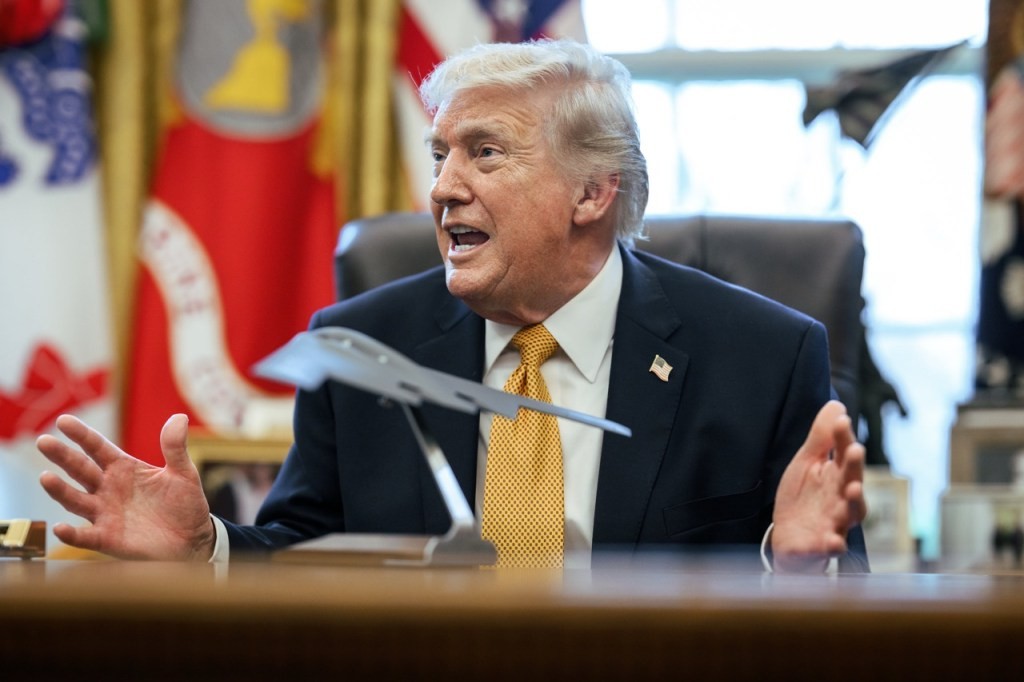
Donald Trump’s administration is pushing an AI framework that appears to centralize authority over state-level travel data. The exact details are still unfolding, but this move suggests a broader trend toward consolidating power in data-driven decision-making. Why this matters: Governments worldwide are grappling with how to use AI while protecting privacy and maintaining autonomy. This framework could set a precedent for others to follow, potentially impacting individual travel freedom and surveillance.
Civitatis Targets the Spanish-Language Travel Market
Civitatis, a travel platform, is doubling down on catering to Spanish and Portuguese speakers. With over 850 million potential travelers in that language group, the company is betting on culturally tailored experiences to gain market share. The strategy: Simplifying travel planning with localized apps and tours. This highlights a growing trend of niche-focused travel services, as opposed to broad, one-size-fits-all platforms.
March: A Stress Test for Global Travel Systems
March was a brutal month for the travel sector, marked by war, government shutdowns, and fuel price spikes. Disruptions in Dubai, Delhi, and U.S. cities exposed the industry’s fragility. The instability underscored how quickly supply chains and logistics can unravel under pressure. The takeaway: Resilience is now a top priority for airlines, hotels, and tourism boards.
India’s Travel Boom Faces Monetization Challenges
India’s booming tourism sector has yet to fully translate into high-value, bookable products. Cultural depth and attractions exist, but stakeholders need to focus on packaging premium experiences that drive revenue. This suggests a mismatch between demand and supply in the luxury and experiential travel segments.
Saudi Arabia Invests $1 Billion in Business Hotels
A U.S.-Saudi partnership will build 50 new business hotels across Saudi Arabia by 2029. The focus is on corporate travelers and MICE (Meetings, Incentives, Conferences, and Exhibitions) demand. The significance: This investment reflects Saudi Arabia’s push to diversify its economy and attract international business. It also signals confidence in long-term corporate travel recovery.
In conclusion, the global travel landscape is being reshaped by political shifts