


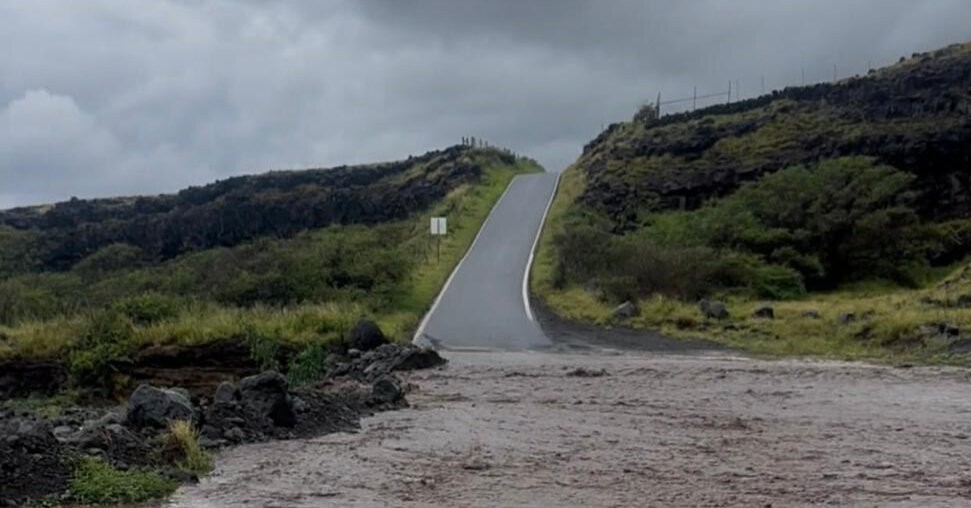
Hawaii is grappling with severe, prolonged rainfall that has overwhelmed infrastructure, triggered dangerous landslides, and forced evacuations across multiple islands. The relentless storm, which began early this week, shows no immediate signs of abating, with hazardous conditions expected to persist through Sunday.
Unprecedented Rainfall and Flooding
The scale of the rainfall is historically significant. Honolulu alone has recorded over 10 inches since Tuesday—far exceeding the average March rainfall of just 2.36 inches. Some areas on Oahu have seen over 12 inches in the past 24 hours, while Maui has been drenched by over 23 inches. This deluge has saturated the ground, leaving no capacity to absorb further precipitation. As meteorologist Patrick Blood with the National Weather Service in Honolulu explained, “There’s nowhere for the water to go except runoff.”
Evacuations and Infrastructure Damage
Flash flooding prompted mandatory evacuations on Oahu’s North Shore, specifically in the Otake Camp area of Waialua. The immediate danger is clear: landslides are rampant, and officials report that the number of slides is too high to accurately count. These slides, coupled with downed trees and saturated ground, have led to widespread power outages and blocked roads.
Why This Matters
Hawaii’s vulnerability to extreme rainfall stems from its unique geography. The islands’ steep volcanic terrain, combined with concentrated rainfall from atmospheric rivers, creates ideal conditions for flash flooding and landslides. Climate change is intensifying these events, making them more frequent and severe. While Hawaii has always faced rain, the sheer volume now poses an unprecedented threat to communities, infrastructure, and tourism.
What’s Next
The National Weather Service warns that conditions will remain hazardous through Sunday. Residents are advised to heed evacuation orders, avoid unnecessary travel, and prepare for continued disruptions. The long-term consequences of this event include potential damage to homes, businesses, and critical infrastructure, alongside the ongoing risk of landslides.
The scale of the flooding underscores Hawaii’s increasing vulnerability to extreme weather events, demanding urgent attention to infrastructure resilience and disaster preparedness.


