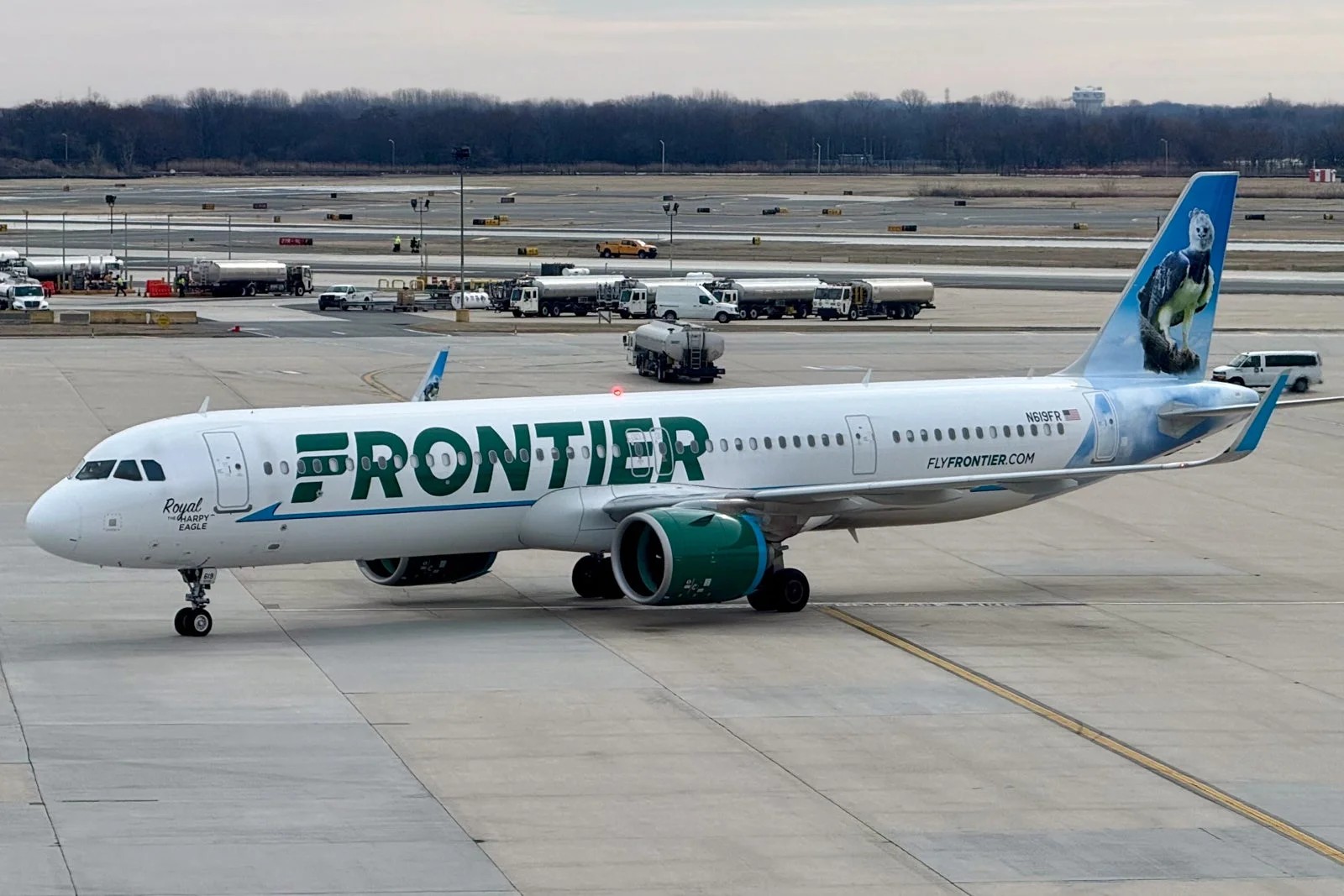
Новий генеральний директор Frontier Airlines, Джеймс Демпсі, заявив про радикальні зміни, спрямовані на усунення давніх проблем авіакомпанії із затримками та скасуванням рейсів. Авіакомпанія, сумно відома своєю операційною ненадійністю, стабільно входить до числа найгірших великих американських перевізників за пунктуальністю та кількістю скасування. У 2024 році Frontier скасувала 2,3% всіх рейсів – найвищий показник серед великих авіакомпаній, залишивши пасажирів у скрутному становищі, особливо на маршрутах з рідкісним розкладом.
Операційні Недоліки та Зміна Керівництва
Демпсі, який нещодавно змінив Баррі Біффла, ясно дав зрозуміти, що ситуація неприпустима. “Ми просто не задоволені нашими минулими результатами”, – заявив він під час телефонної конференції за підсумками роботи компанії. Авіакомпанія вивчає всі можливості для покращення своєї роботи, включаючи оптимізацію часу обороту літаків та вдосконалення процедур технічного обслуговування для скорочення затримок, пов’язаних із механічними несправностями.
Коригування Парку Літаків та Стратегічні Зміни
Frontier також скорочує розмір свого флоту, розриваючи лізинги на 24 літаки, що було за збитком у 137 мільйонів доларів у 2025 році. Компанія планує максимально підвищити ефективність літаків, що залишилися, збільшуючи кількість рейсів в історично дні з низьким попитом, такі як вівторок, середа і субота. Ця стратегія частково зумовлена недавнім банкрутством Spirit Airlines, яке знизило конкуренцію і створило Frontier можливості для заповнення більшої кількості місць у ширшому діапазоні днів.
Розширення в Атланті та Конкурентна Перевага
Frontier використовує скорочення пропускної спроможності Spirit та Southwest Airlines в Атланті, де зараз посідає друге місце за часткою місць в аеропорту Хартсфілд-Джексон Атланта (ATL). Місткість авіакомпанії в Атланті збільшилася на 75% у першій половині 2026 року, перевершивши навіть її базу в Денвері. Демпсі зазначив, що зниження конкуренції з боку інших авіакомпаній виявилося вигідним, дозволяючи Frontier розширити свою присутність.
Нові Зручності та Майбутні Поліпшення
Пасажири можуть розраховувати на нові зручності, включаючи місця першого класу у перших двох лавах усіх літаків Frontier, які планується представити навесні 2026 року. Авіакомпанія також планує впровадити бортовий Wi-Fi на початок 2027 року.
Агресивна реакція Frontier на свої операційні недоліки та мінливий конкурентний ландшафт вказує на серйозні зусилля щодо трансформації свого іміджу та надійності. Реструктуризація та стратегічне розширення авіакомпанії, у поєднанні з покращеними зручностями для клієнтів, свідчать про відновлену увагу до залучення та утримання пасажирів.