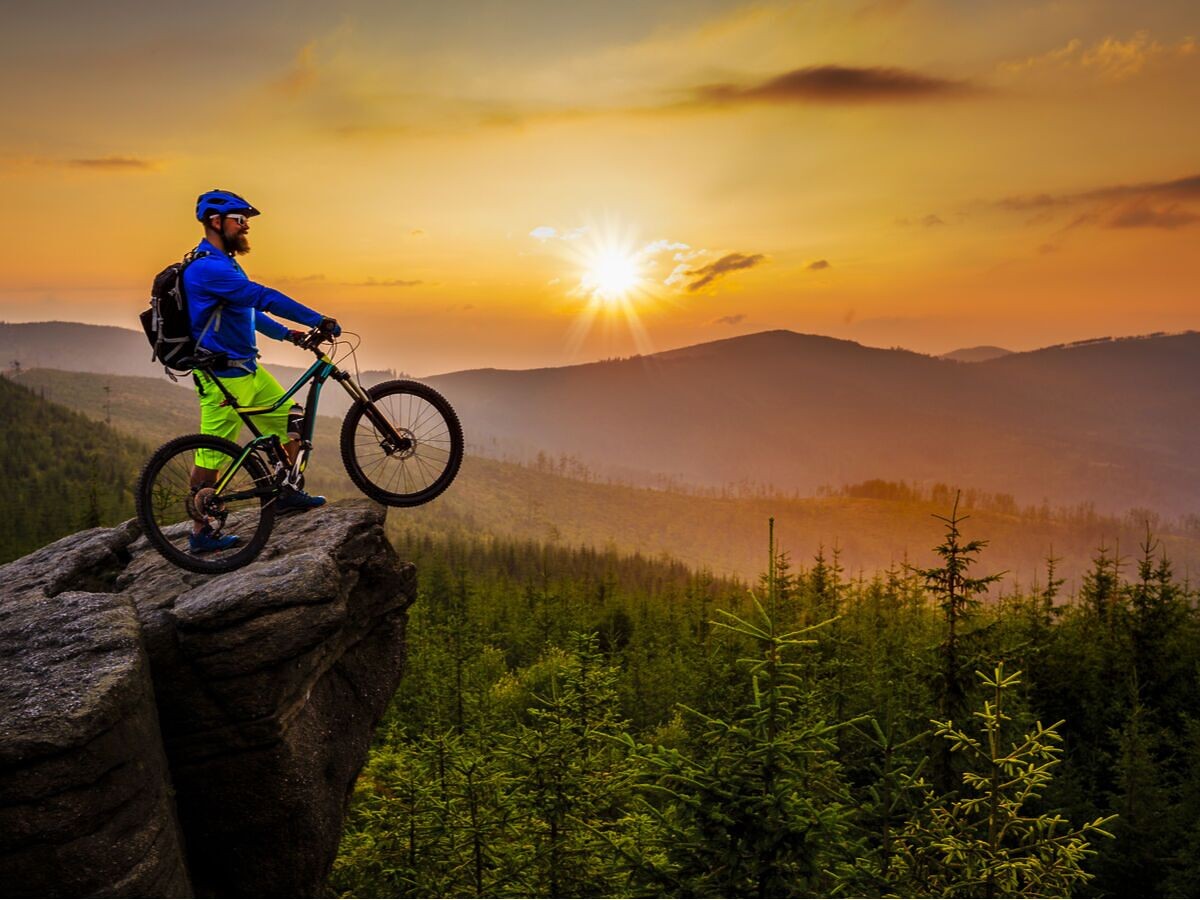
As backcountry access expands and trail networks become more sophisticated—even appearing on mainstream platforms like Google Maps—the demand for mountain biking is surging. However, with increased trail usage comes a greater responsibility to minimize our environmental footprint.
Fortunately, the industry has evolved. You no longer have to choose between high-performance gear and planetary health. From plastic-free packaging to biodegradable lubricants, a new wave of specialized equipment allows you to explore the wild without leaving a lasting scar on it.
🗺️ Navigating the Wild: Essential Digital Tools
Before you set off, digital preparation is your first line of defense against getting lost or damaging sensitive ecosystems.
- AllTrails: A versatile option that has recently become much more user-friendly for mountain bikers, offering excellent navigation tracking.
- MTB Project: Developed by REI, this is perhaps the most comprehensive free guide available. It allows riders to check trail conditions, share photos, and provide community advice on local amenities.
- Trailforks: The gold standard for downloading offline maps, which is critical when heading into areas with zero cellular service.
🚵 Core Gear: Performance Meets Sustainability
Footwear and Comfort
- SIDI Shoes: Known for their technical precision, SIDI has re-entered the US market with high-performance options like the Descentios. They utilize a BOA-style dial system to eliminate loose laces and prioritize waste reduction in their manufacturing and plastic-free packaging.
- Zoic Ether Shorts & Liner: For long-distance comfort, a high-quality chamois is non-negotiable. The Zoic Ether line offers breathable mesh and adjustable waistbands to ensure comfort regardless of your saddle’s shape.
Apparel and Protection
- Norrøna Apparel: This Norwegian brand offers technical, moisture-wicking jerseys and pants (such as the fjørå line) designed to handle the intense physical exertion of cross-country and enduro riding.
- POC Helmets: Safety is paramount. Look for helmets featuring Mips technology, which allows the helmet to shift slightly during impact to reduce rotational force on the brain. The Cularis helmet is a standout, balancing low weight (350g) with advanced airflow and structural stability.
- G-Form Protection: To avoid the dreaded “snakebite” (injuries from pedal strikes), G-Form’s knee and shin guards provide essential impact protection without sacrificing mobility.
- Outdoor Research Gloves: The Freewheel series uses durable goat leather, providing a “second skin” feel that is both breathable and touch-screen compatible.
Carrying Your Essentials
- Dakine Backpacks: For day trips, a small 10L pack like the Seeker is ideal. For overnight excursions, the 18L version provides necessary storage for food and gear while maintaining a compact, “huggy” fit that won’t bounce during technical descents.
- Smith Wildcat Sunglasses: High-altitude riding requires specialized optics. The ChromaPop lenses manage bright light effectively, while the large frame shape protects your eyes from wind and debris during high-speed descents.
🛠️ Logistics: Getting to the Trail and Staying Prepared
Transporting Your Bike
Don’t risk damaging your vehicle or your bike by forcing it into a trunk. Investing in a quality hitch rack is essential. The Küat Transfer is a highly recommended steel rack that is easy to install, secure, and removable for urban driving.
* Note: Always check your vehicle’s weight rating, especially if you are transporting heavy e-bikes.
The “Backcountry Survival” Toolkit
Entering the backcountry without repair tools is a major safety risk. You should always carry a kit capable of addressing common mechanical failures:
1. Tire Repairs
* Steel tire levers: More durable than plastic alternatives.
* Spare tubes: Match these to your tire diameter (26″, 27.5″, or 29″).
* Hand pump and patch kit.
2. Mechanical Failures
* Crankbrothers Multi-Tool: Must include a chain tool.
* Masterlinks: To repair a snapped chain.
* Green Oil Lube: A critical choice for the eco-conscious rider; it is PTFE-free, biodegradable, and comes in recycled plastic bottles.
Pro Tip: Don’t wait until you are miles from civilization to learn these skills. Use YouTube to practice changing a tube and fixing a chain in your driveway before your next big trip.
Summary: Successful mountain biking relies on a balance of high-tech navigation, protective gear, and mechanical preparedness. By choosing durable, eco-friendly brands and carrying essential repair tools, you can enjoy the trails while respecting the environments you ride in.