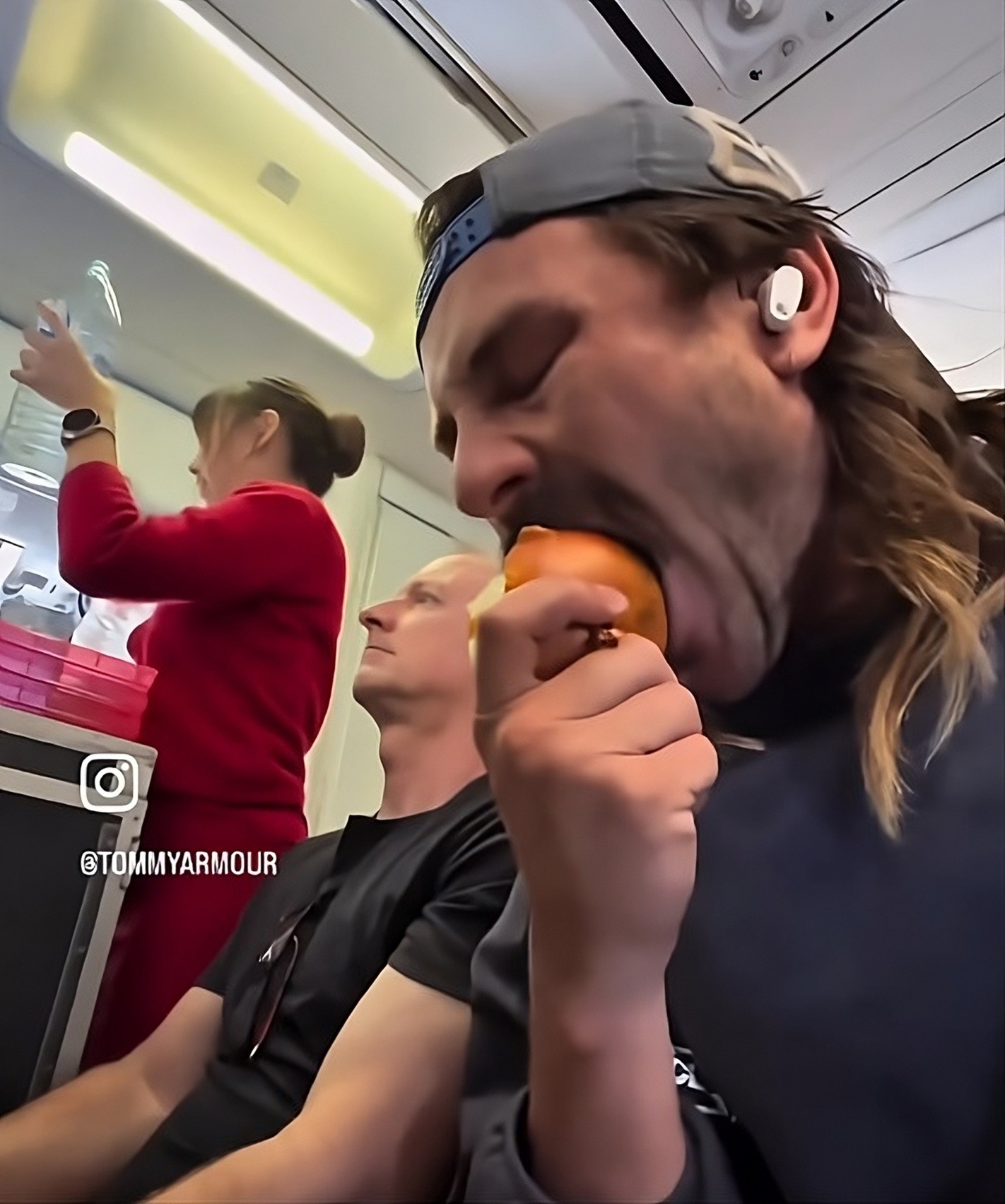
A recent flight saw one passenger engage in a highly unusual behavior: consuming an entire raw onion mid-air. The incident, captured on video, was not a spontaneous act of desperation but rather a calculated stunt by an influencer known for provocative public food displays. The pungent aroma reportedly overwhelmed the cabin, highlighting the increasingly bizarre content trends that spill over into air travel.
Beyond the onion incident, several developments are reshaping the premium travel experience. Qantas is finally rolling out dine-on-demand service in first class, complete with Bollinger La Grande Année 2015—a move that caters to high-end passengers but raises questions about accessibility for the broader customer base. Meanwhile, Reno airport plans to open bids for a new lounge in 2026, signaling continued expansion in premium airport amenities.
Loyalty programs are also undergoing scrutiny. American Airlines has begun deducting AAdvantage loyalty points from returned shopping portal purchases, closing a loophole where customers previously exploited the system by buying items for status and then returning them. This adjustment reflects an industry-wide effort to crack down on loyalty fraud, though it also impacts legitimate customers who may have benefited from the old system.
Finally, a note of caution for Chase cardholders: a 70% transfer bonus to IHG One Rewards is currently available through January 2026, but experts advise against it, given the often-poor value of IHG points.
These seemingly disparate events—from viral stunts to loyalty adjustments—illustrate the evolving landscape of air travel, where passenger behavior, airline policies, and loyalty programs are in constant flux. The industry’s response to these changes will determine the future of the flying experience.