


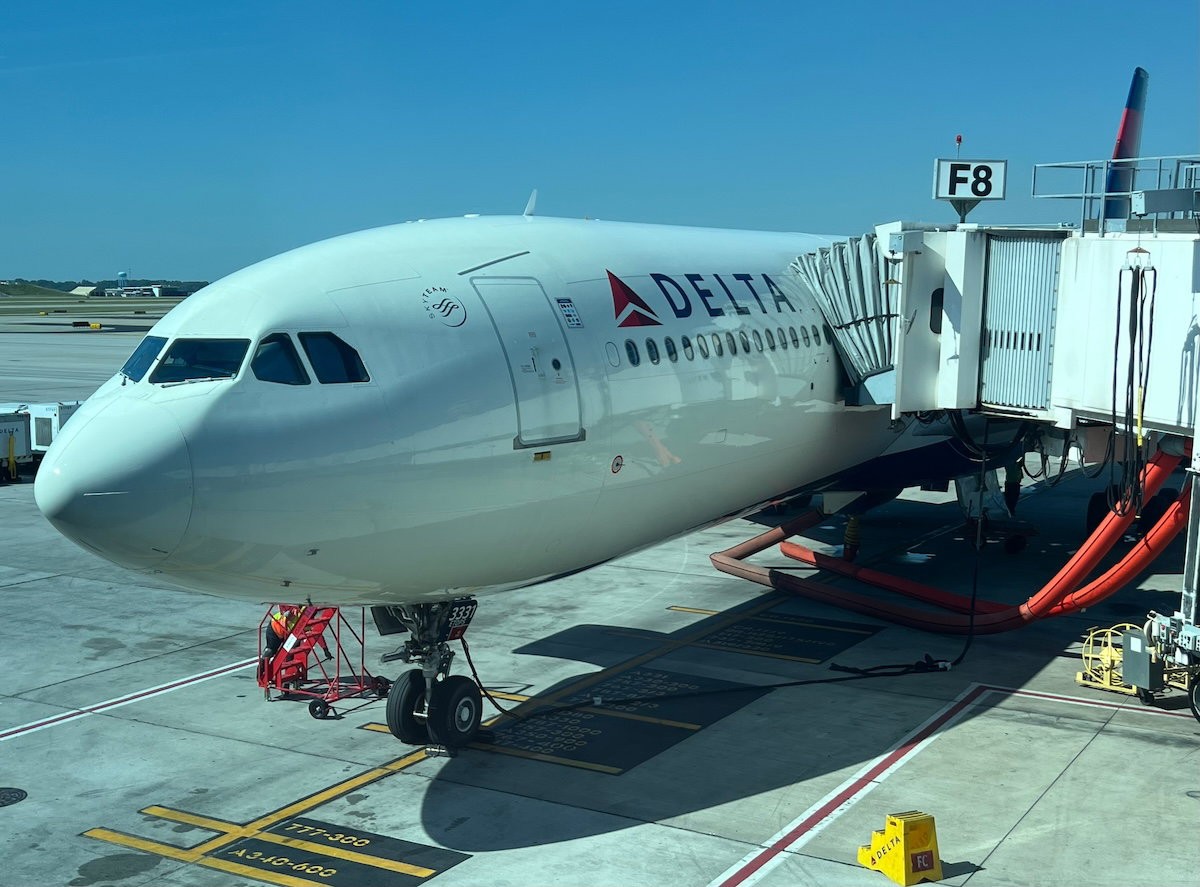
Delta Air Lines has announced a significant increase in its checked bag fees, effective Wednesday, April 8, 2026. This move follows similar price hikes by JetBlue and United, signaling a broader industry trend where major carriers are looking for ways to offset rising operational expenses without directly raising ticket prices.
The New Pricing Structure
For all tickets purchased starting tomorrow, Delta is implementing fee increases ranging from $10 to $50 per bag. The new rates are structured as follows:
| Bag Type | Current Fee | New Fee | Increase |
|---|---|---|---|
| First Checked Bag | $35 | $45 | +$10 |
| Second Checked Bag | $45 | $55 | +$10 |
| Third Checked Bag | $150 | $200 | +$50 |
In an official statement, Delta attributed these changes to an “ongoing review of pricing” necessitated by “evolving global conditions and industry dynamics.”
The Economic Driver: The Fuel Factor
The primary pressure point for the aviation industry is the volatile cost of jet fuel. As one of the largest variable expenses for any airline, high oil prices can quickly turn even profitable carriers into loss-making ones. If global oil prices remain elevated, the industry faces a precarious future where struggling airlines may face bankruptcy.
However, airlines face a strategic dilemma when attempting to recoup these costs. This is due to two main economic factors:
- Price Elasticity of Demand: Airfare is highly sensitive to price. If airlines raise ticket prices too aggressively, travelers often respond by booking fewer flights or choosing alternative modes of transport.
- Reduced Disposable Income: High energy costs have squeezed consumer wallets, leaving many travelers with less money to spend on leisure and travel.
Why Baggage Fees? The “Hidden” Revenue Stream
Rather than risking a drop in passenger volume by raising base fares, airlines are increasingly turning to ancillary fees —extra charges for services like luggage, seat selection, and onboard meals.
From a business perspective, baggage fees are a highly effective tool for revenue extraction because:
* Lower Consumer Sensitivity: Passengers tend to compare ticket prices more closely than they do the cost of adding a bag at the airport.
* Guaranteed Revenue: For many travelers, checking a bag is a necessity rather than a luxury, making them less likely to cancel a trip entirely due to a $10 increase.
A Growing Industry Pattern
Delta is not acting in isolation. This shift follows a recent pattern of “price leadership” within the industry:
– JetBlue initiated the recent wave of baggage fee increases.
– United Airlines followed suit shortly after.
– Delta is now the third major player to implement similar hikes.
This suggests a coordinated, industry-wide response to the current economic climate. As airlines seek to stabilize their margins against rising fuel costs, travelers should expect these “extra” costs to become a more permanent fixture of the flying experience.
Conclusion
Delta’s fee hike is a strategic move to offset rising fuel costs by targeting ancillary revenue rather than base fares. As major carriers like JetBlue and United have already done, Delta is prioritizing “hidden” costs that are less likely to deter travelers than higher ticket prices.


