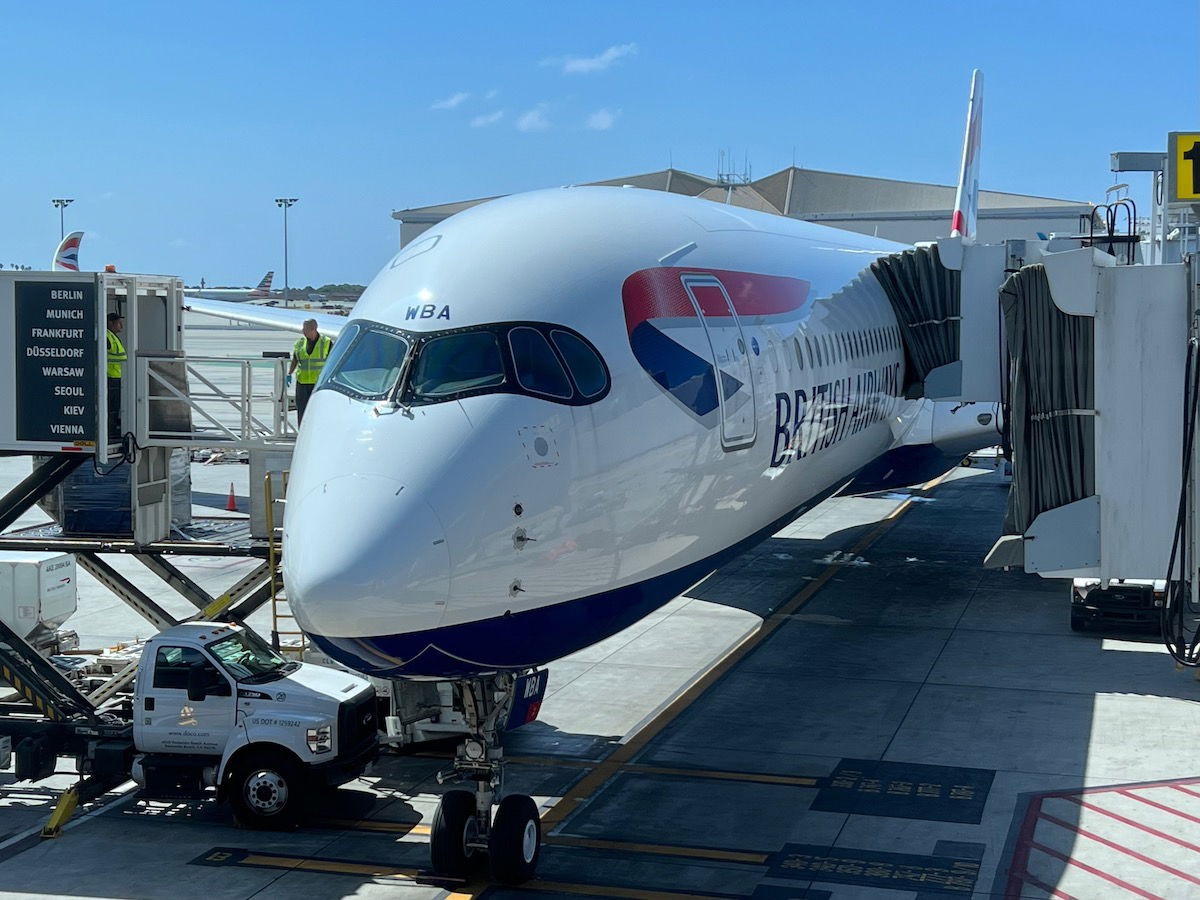
British Airways is rolling out complimentary high-speed Starlink Wi-Fi across its entire fleet, marking a significant upgrade to the in-flight passenger experience. Installation has already begun, with the first Boeing 787-8 aircraft (registration G-ZBJJ) now equipped with the new service.
The Shift to Seamless Connectivity
For years, in-flight Wi-Fi has often been slow, unreliable, or costly. British Airways is changing this with Starlink, a satellite internet service known for its speed and low latency. This means passengers can now stream videos, work, game, and browse the web as if they were on the ground – even on long-haul flights over oceans.
Key Benefits:
- Gate-to-Gate Access: Wi-Fi will be available from the moment passengers board until they land.
- Multiple Devices: Passengers can connect laptops, tablets, and smartphones without interruption.
- No Log-In Required: Unlike some airlines, British Airways does not require loyalty program membership to access the free service.
Why This Matters
The move by British Airways is part of a wider trend among airlines to improve in-flight connectivity. Companies like AirBaltic, Emirates, and United Airlines have already announced plans to install Starlink. The competition to provide the best passenger experience is fierce, and Wi-Fi is increasingly seen as a critical differentiator.
“Launching Starlink on both our long-haul and short-haul aircraft is game-changing for us and our customers,” said British Airways CEO Sean Doyle. “It’s Wi-Fi that feels like home, even at 38,000 feet.”
Rollout and Timeline
British Airways initially announced plans to begin installation in 2026, but the process is now underway. The Boeing 787-8 fleet is being prioritized, as these aircraft were among the few in the airline’s fleet without existing Wi-Fi.
While the installation process is relatively quick once certified, retrofitting over 250 aircraft will take time. Passengers should expect a phased rollout over the next several years.
The Bigger Picture
British Airways previously offered Wi-Fi on many of its planes, but it was often slow and expensive. The shift to free, high-speed Starlink is a clear response to passenger demand and competitive pressure. It also aligns with the growing expectation that reliable internet access is a basic service, not a luxury, even in the air.
The airline industry is undergoing a major transformation in how it treats connectivity, and British Airways’ move confirms that in-flight Wi-Fi is rapidly becoming a standard, not an extra.