A recent incident on a SAS flight from Copenhagen to Los Angeles highlights the unpredictable nature of air travel – and human interaction. Passenger Linzey Strommen, recovering from tailbone surgery, found herself in an unusual situation: a fellow coach passenger offered her a 30-minute foot massage.
The Setup
Strommen had intentionally skipped business class, hoping for an upgrade or an empty seat to accommodate her post-operative recovery needs. Neither materialized. Instead, she shared a makeshift arrangement with the woman next to her, both of whom were recovering from surgery. When a late passenger took the open middle seat, the two women began what some might describe as an impromptu reflexology session.
Despite language barriers, the interaction unfolded naturally. No contact information was exchanged, and the moment passed as strangely as it began.
Why This Matters
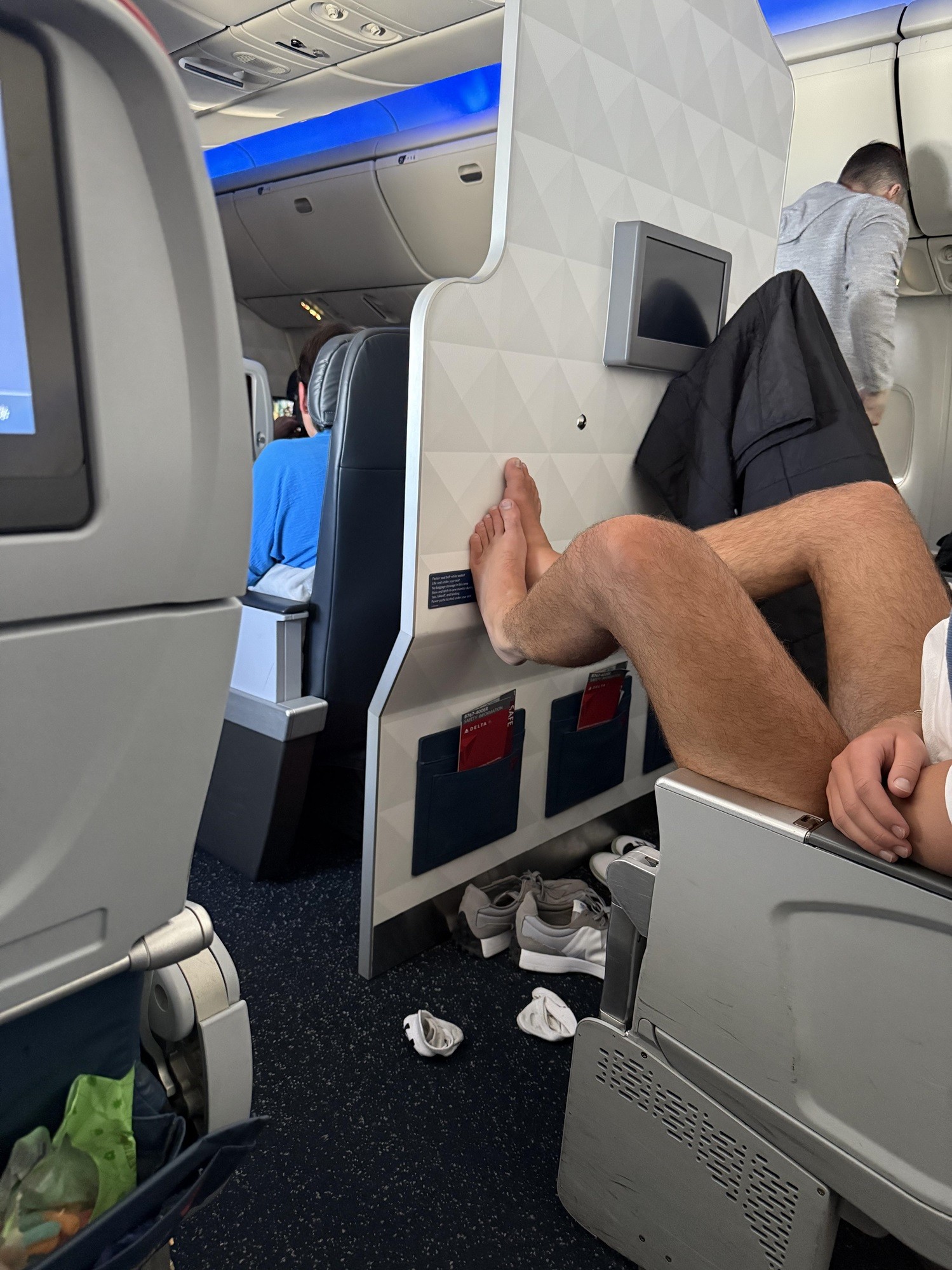
This story taps into a larger debate about acceptable behavior in public spaces, especially in the confined setting of an airplane. While bare feet on planes are generally considered a faux pas, the context here shifts the conversation. The women were both in pain, and the massage was offered as a gesture of comfort.
The incident also reveals how quickly strangers can forge connections under unusual circumstances. Air travel often forces people into close proximity, and spontaneous acts of kindness – however unconventional – are not uncommon.
Beyond This Flight
This isn’t an isolated event. Passengers have been known to engage in stranger interactions, from braiding hair mid-flight to draping feet across armrests. While some behaviors are outright inappropriate, others fall into a gray area. This raises questions about personal boundaries, empathy, and the unspoken rules of public spaces.
Ultimately, the line between kindness and boundary crossing is subjective. In this case, the interaction appears to have been a mutually beneficial exchange of comfort, even if unconventional.
The story underscores how shared discomfort can forge unexpected connections, even at 30,000 feet.