


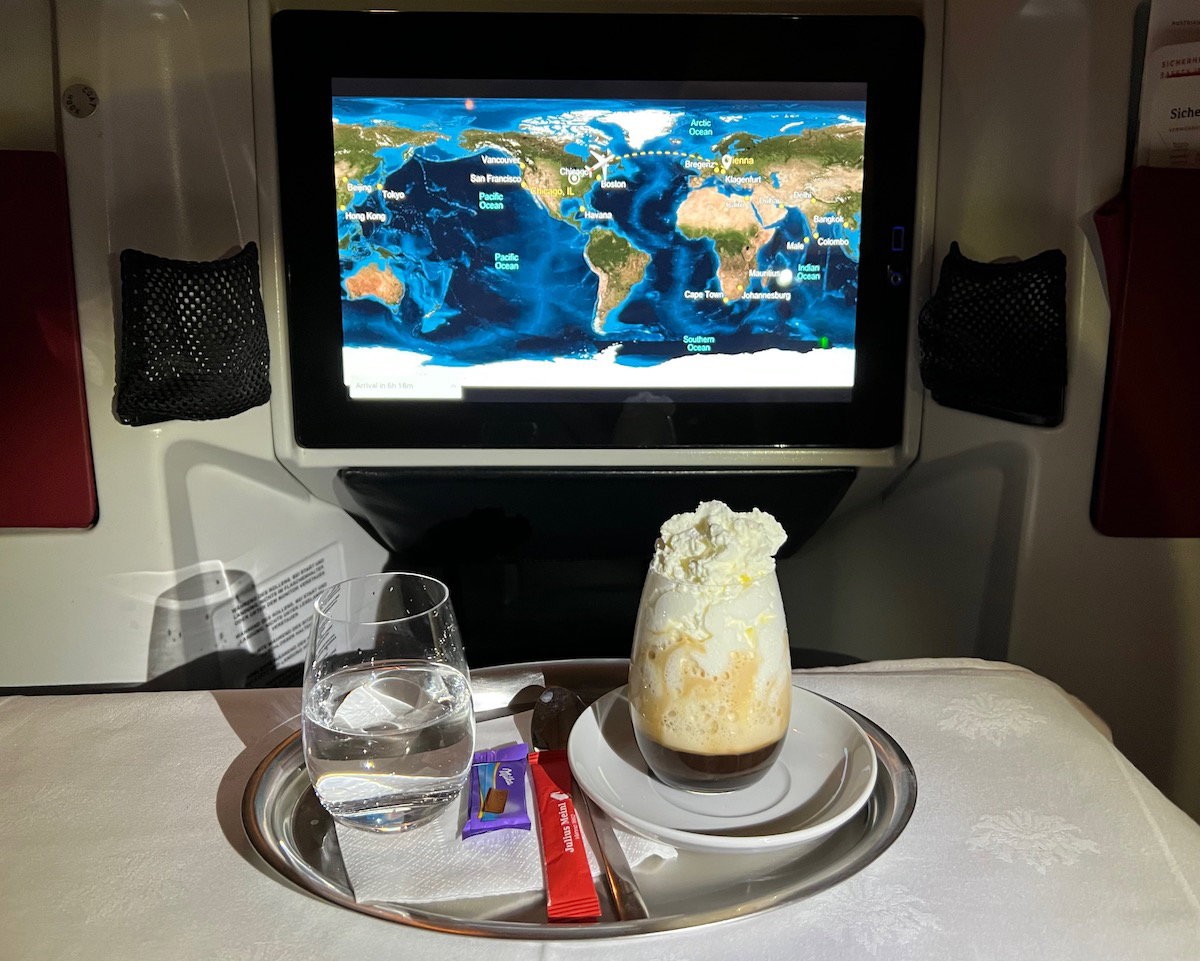
A select number of airlines now feature onboard chefs, raising the question: is this a genuine improvement to the travel experience, or simply a premium marketing tactic? While the presence of a dedicated chef doesn’t fundamentally alter the cooking process at 30,000 feet, it does signal a higher level of investment in overall meal service quality.
Which Airlines Offer Onboard Chefs?
Currently, only a few airlines offer this service:
- Austrian Airlines
- Garuda Indonesia
- Saudia Airlines
- Turkish Airlines
Notably, Etihad Airways and Gulf Air previously featured inflight chefs but discontinued the program due to cost-cutting measures. The trend indicates that this is a luxury service often prioritized during periods of strong financial performance, and scaled back during austerity.
What Do Onboard Chefs Actually Do?
Onboard chefs are culinarily trained professionals, distinct from standard flight attendants, but also cross-trained in safety and service procedures. They typically switch between flight attendant uniforms during takeoff/landing and chef attire during meal service. However, their duties aren’t revolutionary: they primarily plate and sometimes reheat pre-prepared meals.
The core function isn’t about cooking from scratch. Most airline meals are reheated, with only minor exceptions (like freshly scrambled eggs on some carriers). The difference lies in the presentation and attention to detail.
The Presentation Gap: Plated vs. Pre-Portioned
The real distinction between airlines with and without onboard chefs isn’t the food itself, but how it’s served. Some airlines receive meals fully catered and ready to serve (like EgyptAir ), while others receive ingredients in bulk and have crew members plate them individually (like Turkish Airlines ). This plating process – which onboard chefs oversee – elevates the dining experience. The added touches in plating and potential for better ingredient heating before serving can improve taste and presentation.
The presence of an onboard chef often correlates with a commitment to higher-quality catering. While not a guarantee, it’s a strong indicator of a superior in-flight dining experience.
Beyond the Chef: Catering as an Indicator
Ultimately, airlines with onboard chefs tend to invest more broadly in their soft product, including higher-quality catering. However, this isn’t an exclusive correlation: some airlines without onboard chefs (like Cathay Pacific and Lufthansa ) also offer exceptional dining experiences.
The onboard chef position is largely a marketing advantage, but it highlights a broader commitment to passenger comfort. Airlines that prioritize in-flight culinary services demonstrate a dedication to the overall travel experience, which can set them apart in a competitive market.


