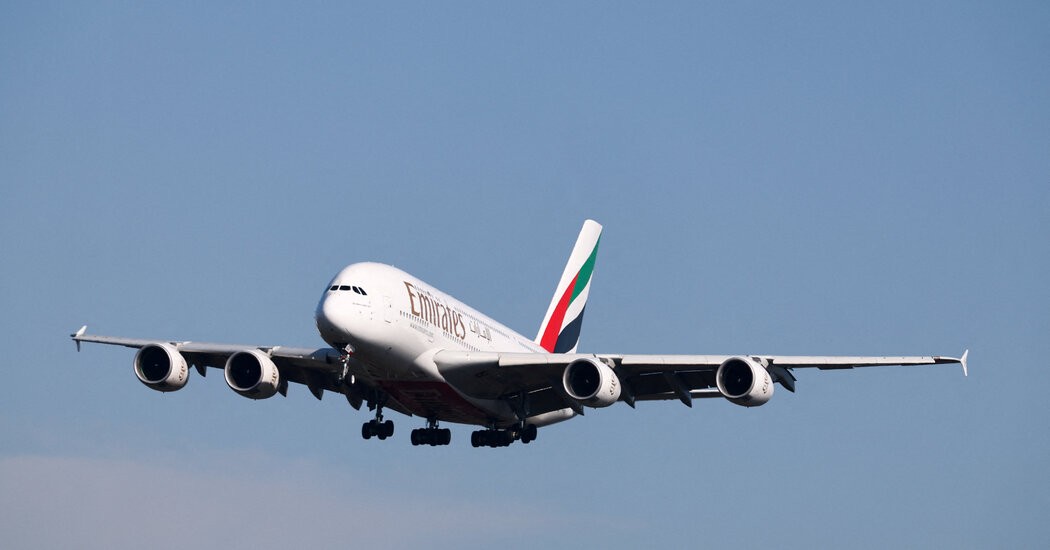
Commercial air travel is resuming in the Middle East after a period of disruption caused by escalating tensions between Iran and its regional adversaries. The first regularly scheduled Emirates flight to the United States landed safely at Kennedy Airport on Thursday, but the resumption comes with heightened anxiety for passengers and a reminder of the risks involved.
Recent Disruptions and Attacks
The past week saw significant disruptions to air travel across the region. Approximately 30,000 flights have been canceled since Saturday, according to aviation data firm Cirium, as airlines rerouted or grounded planes due to fears of escalation.
Incidents at major airports heightened these concerns:
– An explosion at Dubai International Airport injured four people on Sunday.
– Debris from a drone attack on Abu Dhabi’s Zayed International Airport killed one and wounded seven.
These events underscore the vulnerability of civilian infrastructure in a conflict zone, even as governments attempt to secure airspace.
Passenger Concerns
Passengers like Gitu Ramani-Ruff, a traveler returning to New York after being stranded in Dubai, expressed heightened fear as flights resumed. She shared a text message with her sister outlining final wishes, fearing the worst, before her plane took off. This illustrates the level of anxiety many people now feel about flying in the region.
The fact that hers was the first scheduled flight to the U.S. since the attacks began only amplified those fears, despite the plane landing safely.
Broader Context
The situation reflects a new reality: commercial aviation operating under the shadow of active military tensions. The Middle East has long been a region where geopolitical instability affects travel, but the current crisis raises the stakes.
Why this matters: The resumption of flights is not a return to normalcy. Airlines and passengers must now contend with an elevated risk profile, including potential disruptions from further attacks, airspace closures, and the psychological impact on those traveling in the area.
The region’s airlines will need to adapt to ongoing volatility, potentially including increased security measures, real-time rerouting capabilities, and transparent communication with passengers about risks.
Ultimately, air travel in the Middle East will proceed, but it will do so with a new awareness of the dangers inherent in operating during times of conflict.