


For many travelers heading to East Africa, English serves as a reliable bridge. In Kenya and Tanzania, the lingua franca for much of the tourism industry is English, making it easy to navigate menus, bookings, and basic directions. However, a growing trend among travelers is moving beyond mere utility toward cultural immersion.
One traveler recently set out to test a hypothesis: Could learning Swahili (or Kiswahili ) before a safari break down the colonial barriers often associated with the industry and foster a deeper connection with the local people?
The Digital Language Revolution
The desire to learn new languages is at an all-time high, fueled by the “gamification” of education. Apps like Duolingo have seen massive growth, with over 135 million monthly users as of late 2025. These tools offer a level of flexibility that traditional classroom settings cannot match, allowing travelers to learn on the go.
However, the experience reveals a significant gap between digital learning and real-world application :
- The Content Gap: Many popular apps, including Duolingo’s Swahili course, appear designed for humanitarian workers or educators rather than tourists. Instead of learning how to order a drink or ask for a bill, learners are often met with academic phrases like “They will empower the farmers.”
- The “Why” Factor: Apps often struggle to explain the nuances of grammar or the cultural context of a phrase, a void that is best filled by in-person instruction or immersive media.
- The Necessity of Multi-Tooling: To achieve functional conversational skills, learners often find they must supplement apps with podcasts, dictionaries, and specialized language tools like Memrise or Swahilipod101.
Breaking the Ice in the Serengeti
Despite the hurdles of learning, the “return on investment” for even basic Swahili is profound. In the Serengeti National Park, the transition from being a mere observer to an active participant happens through simple linguistic gestures.
While most international visitors stick to the basics—such as Jambo (Hello) or Asante sana (Thank you much)—moving into slightly more complex sentences can fundamentally change the social dynamic.
“You speak Swahili?”
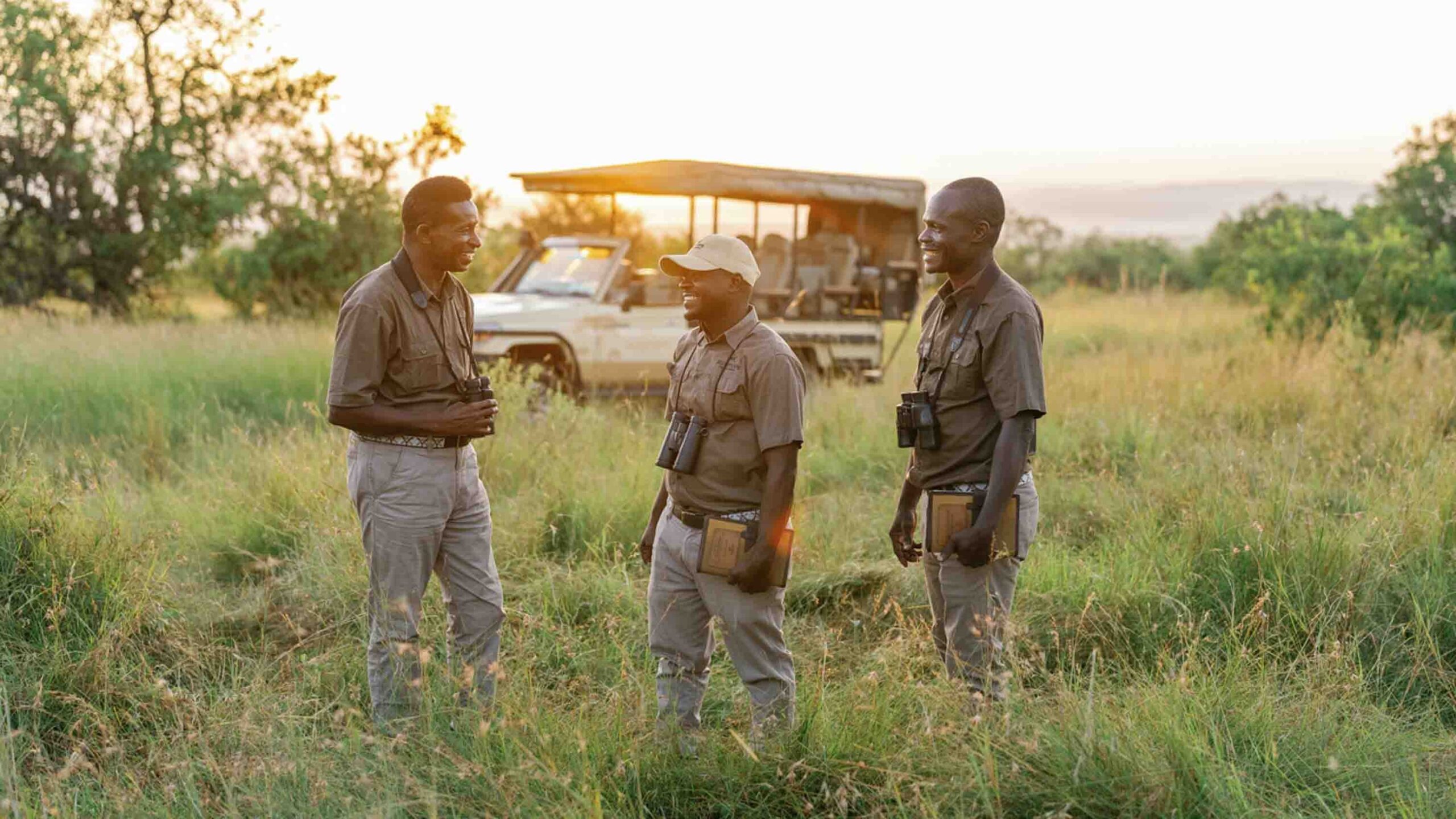
This is the common reaction from local guides. While English is widely spoken, the effort to speak the local tongue acts as a powerful social lubricant. It signals respect and a desire to engage with the culture on its own terms, rather than expecting the host to adapt entirely to the visitor.
More Than Just Words: Cultural Connectivity
Learning the language also provides a “backstage pass” to the local experience. In the bush, safari guides often use specific Swahili slang to communicate animal sightings to one another—using terms like pembe (horn) for rhino or shingo (neck) for giraffe. For a traveler, understanding these snippets allows them to feel “tuned-in” to the rhythm of the wild rather than feeling excluded from the professional chatter of the guides.
Beyond the wildlife, language facilitates human connection in unexpected places:
* Artistic Exchange: During a bead-working session with Maasai craftworkers, even halting Swahili helped bridge the gap.
* Symbolic Understanding: Language allowed for the discovery of deeper meanings, such as the significance of colors: white for peace, red for strength, and blue for life.
Conclusion
While a few weeks of study won’t lead to fluency, learning Swahili transforms a safari from a passive sightseeing tour into an active cultural exchange. The effort spent mastering a few phrases pays dividends in the form of respect, deeper insights, and more meaningful human connections.


